
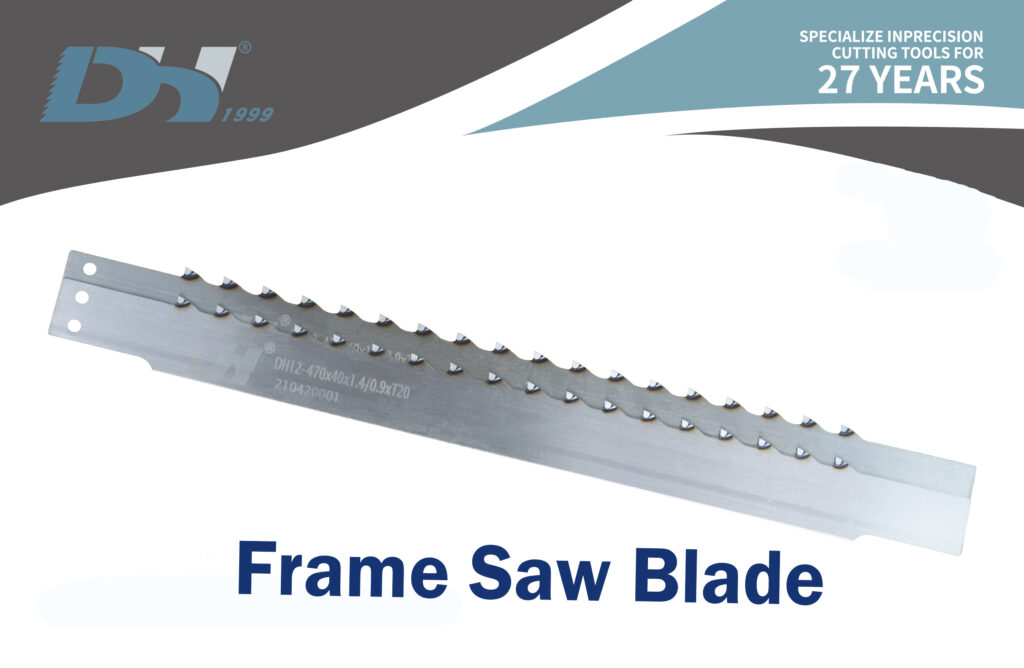
In der großvolumigen Massivholzverarbeitung und Holzumwandlung, Die TCT frame saw blade has become an indispensable tool for sawmills and large-scale joinery operations. Diese Klingen mit Wolframkarbidspitze, montiert auf Gattersägen, bieten außergewöhnliche Verschleißfestigkeit und gleichbleibende Schnittqualität bei der Bearbeitung von Harthölzern, Weichhölzer, und sogar technische Holzprodukte. With a multi-teeth design engineered for fast and clean cuts, these blades provide smoother cutting action and better surface finishes compared to conventional options.
Jedoch, sogar vom Feinsten TCT frame saw blade can encounter performance issues when subjected to improper tension, incorrect setup, oder unzureichende Wartung. Ihre Hauptfunktionen verstehen, Erkennen häufiger betrieblicher Probleme mit praktischen Lösungen, Durch die Einhaltung grundlegender Sicherheitsmaßnahmen können Sie die Lebensdauer und Schneidleistung dieser Premium-Klingen maximieren.
Hauptfunktionen von TCT Frame Saw Blades in der Holzbearbeitung
Der TCT frame saw blade serves as the primary cutting element in frame sawing machines, which are used extensively in sawmills and timber processing facilities for converting logs into dimensioned lumber. Unlike band saws that use continuous loops, frame saws employ straight blades mounted in a reciprocating frame that moves up and down while the workpiece is fed through.
Tungsten carbide tips are brazed onto the blade teeth, providing exceptional hardness and wear resistance that enables clean cutting through abrasive bark, embedded dirt, and timber species containing high silica content. The multi-teeth design ensures that the blade cuts through larger pieces of wood without splintering or tearing, resulting in better surface finish and faster workflow for woodworkers.
Common applications include producing rough-sawn lumber, precision dimensioning for furniture components, wood panel cutting, cabinet manufacturing, and processing hardwoods where straight cuts are essential. Der TCT frame saw blade behält seinen Vorsprung auch bei längeren Produktionsläufen, Reduzierung der Ausfallzeiten für Klingenwechsel und Nachschärfen.
With custom sizing available—DH Cutter offers blades in various lengths, widths (including 40mm options), and thicknesses to suit different frame saw models and cutting requirements—these blades deliver professional-quality results in demanding mill environments.

Fünf häufige Probleme und praktische Lösungen
Problem 1: Premature Tooth Wear or Dulling
Eine der häufigsten Beschwerden bei der TCT frame saw blade is teeth wearing down faster than expected. This typically occurs when cutting extremely abrasive timber species, when the blade is pushed beyond its capacity, or when the wood contains excessive silica, embedded dirt, or foreign objects.
Lösung: Erste, verify that you are using the correct blade for your material. Während TCT frame saw blades are highly wear-resistant, timber with high silica content may require blades with specialized carbide grades. Zweite, reduce feed pressure—forcing material too aggressively generates heat that accelerates wear.
Dritte, ensure proper blade speed and stroke rate; excessive speed increases friction dramatically. Vierte, Untersuchen Sie Ihr Werkstück auf Fremdkörper wie Nägel, Steine, or sand before processing. Endlich, ensure your TCT frame saw blade is properly broken in by running at reduced feed for the first several cuts.

Problem 2: Chipped or Broken Carbide Tips
Chipped or missing carbide tips on a TCT frame saw blade compromise cut quality and create serious safety hazards. This problem usually results from shock loading—suddenly encountering hard objects, forcing the blade through knots, or using excessive feed pressure on dense materials. Carbid, while extremely hard, is also brittle and susceptible to impact damage.
Lösung: Replace the blade immediately if carbide tips are missing or severely chipped, as a damaged TCT frame saw blade risks catastrophic failure. To prevent recurrence, implement rigorous lumber inspection protocols to remove nails, Heftklammern, and embedded debris before cutting. Zweite, reduce feed pressure when entering cuts and avoid forcing the blade through large knots. Dritte, ensure the blade is properly tensioned within the frame; excessive clearance allows the blade to flex and subject individual teeth to disproportionate loads.
Problem 3: Wandernde oder krumme Schnitte
Wenn die TCT frame saw blade beginnt, die beabsichtigte Zeile abzuschneiden, Das Problem hängt oft mit der Klingenspannung zusammen, Zahngarnitur, or frame alignment. Eine seitlich abdriftende Klinge erzeugt Materialverschwendung und beeinträchtigt die Teilegenauigkeit, particularly detrimental in dimensioning operations.
Lösung: Prüfen Sie zunächst die Sägeblattspannung – unter Spannung TCT frame saw blades unvorhersehbar wandern. Informationen zur richtigen Spannung finden Sie in den Empfehlungen Ihres Sägeherstellers. Zweite, verify that the blade guides and frame alignment are correct; misalignment forces the blade to cut at an angle. Dritte, Überprüfen Sie das Zahngarniturmuster; uneven set causes irregular cutting. Wenn die Klinge mehrmals nachgeschliffen wurde, the set may be compromised. Vierte, ensure the workpiece is fed straight and consistently without lateral pressure.

Problem 4: Blade Breakage at the Weld or Gullet
While the TCT frame saw blade is designed for durability, it can snap unexpectedly when subjected to fatigue stress, improper tension, or lack of maintenance. Hairline cracks often begin at the weld joint or in the tooth gullet—areas of highest tensile stress during the reciprocating action. Compared to standard blades, reinforced materials and hardened teeth ensure better performance in high-volume applications, but regular inspection remains essential.
Lösung: Regular inspection is critical for preventing breakage. Examine the TCT frame saw blade for cracks before each use, particularly around the welded joint. Zweite, avoid over-tensioning the blade—this stresses the steel backing and accelerates crack formation. Dritte, inspect the blade weld regularly; Eine schlecht verarbeitete Schweißnaht ist ein häufiger Fehlerpunkt.
When installing a new TCT frame saw blade, perform a proper break-in procedure by running at reduced feed for the first several cuts. Endlich, never store blades in conditions that could introduce stress points.
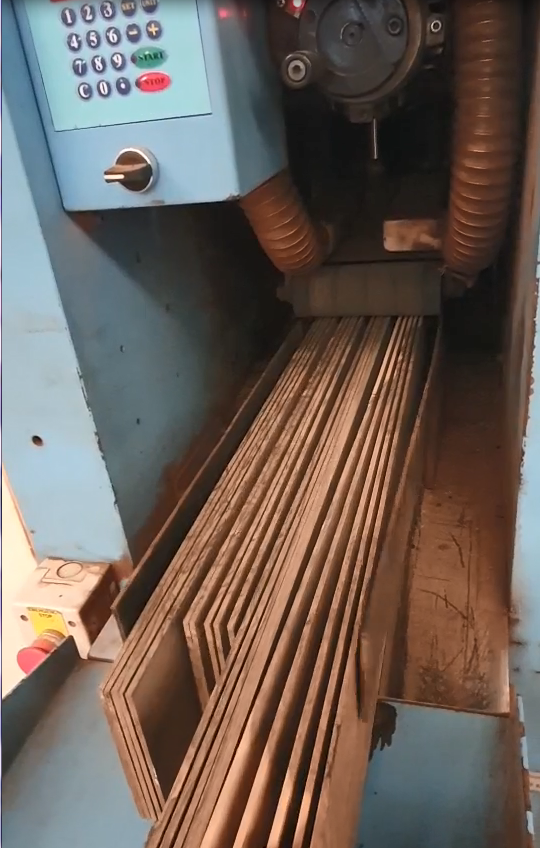
Problem 5: Brandflecken oder glasierte Oberflächen auf dem Werkstück
Brandflecken auf der Schnittfläche deuten auf übermäßige Reibungswärme hin, die durch das erzeugt wird TCT frame saw blade. Dieses Problem ist typischerweise auf stumpfe Zähne zurückzuführen, unzureichende Vorschubgeschwindigkeit, oder Harzansammlungen an den Schnittkanten.
Lösung: Resharpen or replace the TCT frame saw blade beim ersten Anzeichen einer Oberflächenverschlechterung. TCT blades require specialized diamond wheel grinding for proper resharpening. Zweite, Vorschubgeschwindigkeit erhöhen; Zu langsamer Vorschub führt dazu, dass die Klinge eher reibt als schneidet, Wärme erzeugen. Dritte, Reinigen Sie die Klinge gründlich; Auf den Zähnen angesammeltes Pech und Harz isolieren die Wärme und erzeugen Reibung. Use appropriate cleaning solutions that dissolve wood resins without damaging carbide. Endlich, reduce the depth of cut if burning persists—taking multiple lighter passes generates less friction.

Why Choose DH Cutter for Your TCT Frame Saw Blades?
For sawmill operators, cabinet manufacturers, and timber processors seeking reliable performance and long-term value, DH Cutter zeichnet sich als vertrauenswürdige Quelle aus TCT frame saw blades. Our blades feature premium-grade tungsten carbide tips with optimized tooth geometry for superior cutting action and extended service life. The multi-teeth design ensures clean, precise cuts with minimal vibration, essential in applications where surface quality matters—such as wood panel cutting, Möbelproduktion, and mold-making.
Aus der Sicht eines Unternehmers, Die Schmerzpunkte sind klar: kostspielige Ausfallzeiten durch Klingenwechsel und Nachschärfen, inconsistent cut quality that leads to material waste and rework, und Klingen, die bei hoher Produktionsbelastung vorzeitig ausfallen. DH Cutter’s TCT frame saw blades address these challenges head-on with exceptional wear resistance and consistent cutting accuracy—meaning fewer interruptions, weniger Ausschuss, und höherer Durchsatz.
We offer comprehensive customization options for length, Breite (including 40mm), and thickness to suit various frame saw models and specific machining requirements. Als Fabriklieferant, we offer competitive wholesale pricing, eliminating middlemen to provide cost-effective solutions for businesses requiring large quantities of high-performance saw blades.
Für den Endbenutzerbetreiber, frustrations often include blades that dull too quickly on abrasive timber, burning that ruins board surfaces, and the constant struggle to achieve straight, accurate cuts. DH Cutter’s precision manufacturing ensures consistent tooth geometry, richtige Spannung, und zuverlässiges Hartmetalllöten, das anspruchsvollen Bedingungen standhält.
Our blades maintain sharpness through hardwoods and abrasive species, reducing the frequency of frustrating mid-run blade changes. With ISO certifications ensuring high industrial standards for quality and safety, responsive technical support, factory-direct pricing, and reliable after-sales service including free samples and a 1-year warranty, DH Cutter helps you keep production running smoothly and efficiently.
Grundlegende Sicherheitsempfehlungen für TCT Frame Saw Blades
Arbeiten mit dem TCT frame saw blade erfordert die strikte Einhaltung von Sicherheitspraktiken. Tragen Sie immer eine Schutzbrille oder einen Vollgesichtsschutz – abgebrochene Hartmetallspitzen oder weggeschleuderte Werkstücke können schwere Augenverletzungen verursachen. Schnittfeste Handschuhe schützen die Hände beim Klingenwechsel und beim Einrichten, Tragen Sie jedoch niemals Handschuhe, wenn Sie die Säge bedienen.
Vor jedem Gebrauch, inspizieren Sie die TCT frame saw blade für fehlende Zähne, Risse, oder beschädigte Lötstellen; Eine beschädigte Klinge kann bei Betriebsgeschwindigkeit zersplittern. Ensure all guards and safety devices are in place and properly adjusted—never bypass safety features. Beim Klingenwechsel, Trennen Sie die Stromversorgung an der Quelle. Maintain a clean work area; Angesammeltes Sägemehl und Schutt führen zu Brand- und Rutschgefahr. Endlich, never exceed the maximum stroke speed rating specified for the TCT frame saw blade.
Abschluss
Der TCT frame saw blade is the backbone of high-volume timber processing, delivering precision and durability across demanding solid wood applications. Durch das Verständnis seiner Hauptfunktionen und das Erkennen der fünf oben genannten häufigen Probleme – vorzeitiger Verschleiß, chipped tips, wandernde Schnitte, Bruch, and burn marks—operators can implement practical solutions that restore cutting quality and extend blade life.
With DH Cutter’s premium blades featuring premium carbide grades, multi-teeth design for enhanced precision, custom sizing options to fit various equipment, consistent performance for even the most demanding sawmill and woodworking operations. Regelmäßige Inspektion, richtige Spannung, entsprechende Vorschubgeschwindigkeiten, und die Einhaltung von Sicherheitspraktiken stellen sicher, dass die TCT frame saw blade liefert außergewöhnliche Ergebnisse und sorgt gleichzeitig für eine sichere Arbeitsumgebung.