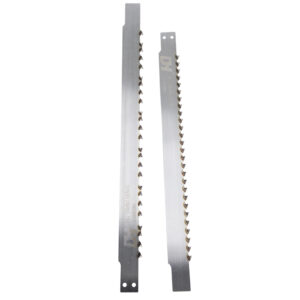
Introduction to Frame Saw Blades


Frame saw blades are among the most versatile and essential tools in woodworking, offering precision and adaptability for various cutting tasks. These blades are designed to be mounted in a frame saw—a hand tool or machine that holds the blade under tension for controlled and accurate cuts. Whether you’re a professional carpenter, a hobbyist, or a DIY enthusiast, understanding the features, Anwendungen, and best practices for frame saw blades will significantly enhance your woodworking efficiency and craftsmanship.
This comprehensive guide explores the key characteristics of frame saw blades, their ideal applications, and expert tips for maximizing performance while ensuring safety.
Key Features of Frame Saw Blades
- Material Composition
Frame saw blades are manufactured from different materials, each offering unique benefits:
– High-Carbon Steel: Affordable and easy to sharpen, ideal for general woodworking.
– Bi-Metal Blades: Combine a flexible steel body with hardened teeth for durability and longevity.
– Tungsten Carbide-Tipped (TCT) Blades: Extremely wear-resistant, perfect for cutting abrasive materials like MDF or laminates.
- Tooth Configuration & Cutting Performance
The tooth design determines the blade’s cutting behavior:
– Rip-Cut Blades (3–6 TPI): Fewer, larger teeth for fast cutting along the wood grain.
– Cross-Cut Blades (10–14 TPI): More teeth for smoother cuts across the grain.
– Combination Blades (8–10 TPI): A balanced design for both rip and cross-cutting.
– Scroll-Cutting Blades (Narrow & Fine Teeth): Used for intricate curves and detailed work.
- Klingenlänge & Width Variations
Frame saw blades come in multiple sizes:
– Länge: Typically ranges from 10 zu 30 Zoll, with custom options available.
– Breite: Narrow blades (¼ inch) are ideal for curves, while wider blades (¾–1 inch) provide stability for straight cuts.
- Tension & Stabilität
A properly tensioned frame saw blade reduces vibration and prevents blade drift, ensuring straighter cuts. Some modern frame saws feature adjustable tensioning mechanisms for optimal performance.
Ideal Materials & Applications
Best Materials for Frame Saw Blades
– Weichholz (Pine, Cedar, Spruce): Easily cut with standard high-carbon steel blades.
– Hardwoods (Oak, Maple, Walnut): Require sharp, durable blades with hardened teeth.
– Engineered Wood (Plywood, MDF, Particleboard): Carbide-tipped blades reduce tear-out.
– Plastics & Non-Ferrous Metals (Aluminum, Brass): Specialized blades with fine teeth prevent melting or chipping.
Common Woodworking Applications
– Furniture Making: Precision joinery, tenons, and dovetails.
– Resawing & Rough Cutting: Wider blades handle thick stock efficiently.
– Scrollwork & Curved Cuts: Narrow blades allow intricate designs.
– Rip & Cross-Cutting: Essential for dimensioning lumber.
Frame Saw Blade Usage Tips for Optimal Performance
- Selecting the Right Blade
– For fast, rough cuts, use a low-TPI rip blade.
– For smooth finishes, opt for a high-TPI cross-cut blade.
– For mixed tasks, a combination blade offers versatility.
- Proper Installation & Tensioning
– Ensure the blade is securely mounted in the frame.
– Adjust tension to eliminate slack—blade should produce a clear “ping” when plucked.
- Cutting Techniques for Best Results
– Let the Blade Do the Work: Avoid forcing the cut; apply steady, even pressure.
– Use a Guide for Straight Cuts: A fence or straightedge improves accuracy.
– Control Speed for Clean Cuts: Slower strokes reduce tear-out in delicate materials.
- Maintenance & Longevity
– Clean Regularly: Remove pitch and resin buildup with a specialized blade cleaner.
– Sharpen When Dull: Hand-sharpening or professional services extend blade life.
– Store Properly: Hang blades or keep them in a dry place to prevent rust.
Safety Considerations When Using Frame Saw Blades
- Personal Protective Equipment (PPE)
– Safety Glasses: Protect against flying debris.
– Gloves: Improve grip and prevent splinters (but avoid loose gloves near moving blades).
– Hearing Protection: Recommended for prolonged use.
- Workspace Safety
– Secure the Workpiece: Use clamps or a vise to prevent slipping.
– Check Blade Condition: A damaged or dull blade increases kickback risk.
– Avoid Overheating: Excessive friction can warp the blade—reduce speed when needed.
- Proper Handling & Technique
– Maintain a Stable Stance: Stand firmly to control the saw.
– Follow the Cut Line: Avoid twisting the blade mid-cut.
– Stop if Binding Occurs: Realign the blade to prevent snapping.
Conclusion: Mastering Frame Saw Blades for Superior Woodworking
Frame saw blades are indispensable for woodworkers seeking precision, efficiency, und Vielseitigkeit. By selecting the right blade for the material, maintaining proper tension, and following safety protocols, you can achieve flawless cuts in any project—whether crafting fine furniture, resawing lumber, or creating intricate scrollwork.
Understanding the nuances of frame saw blades—from tooth geometry to tensioning—will elevate your craftsmanship and ensure long-lasting tool performance. With the right techniques and maintenance, your frame saw blades will remain sharp, reliable, and ready for any woodworking challenge.