
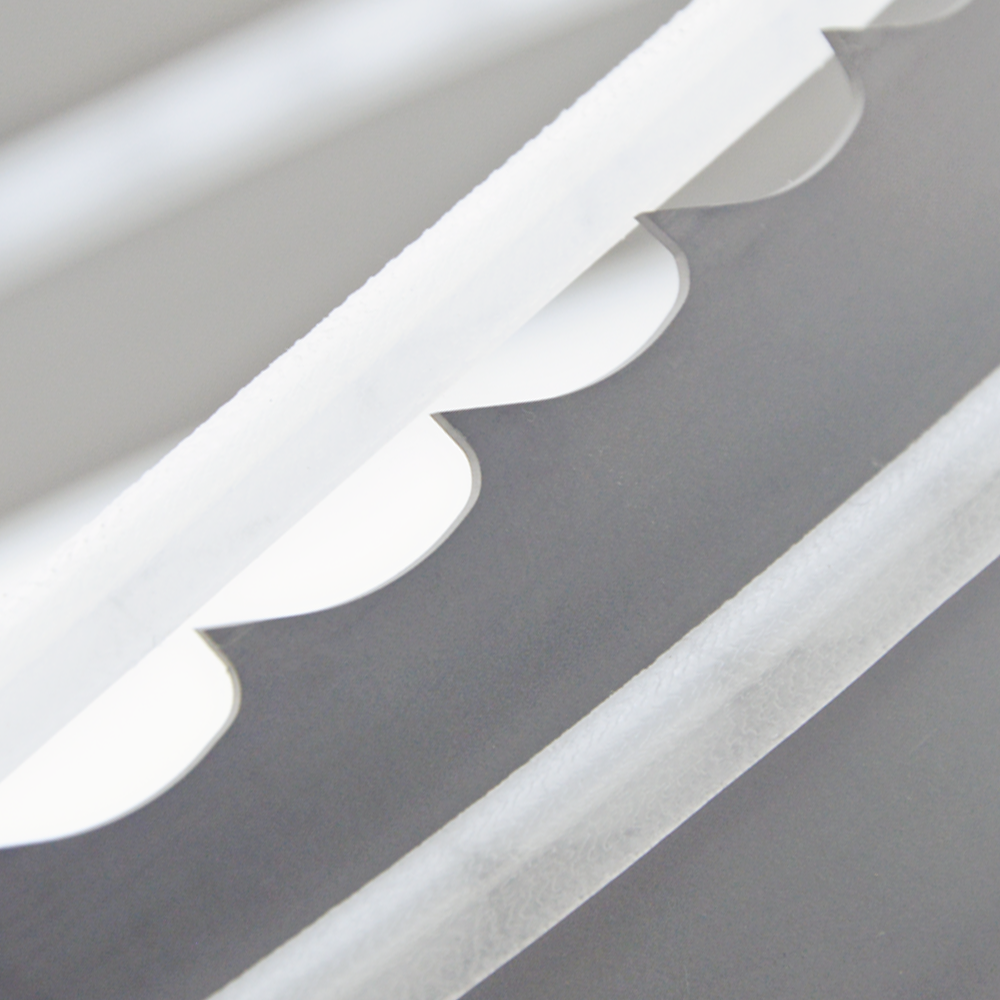
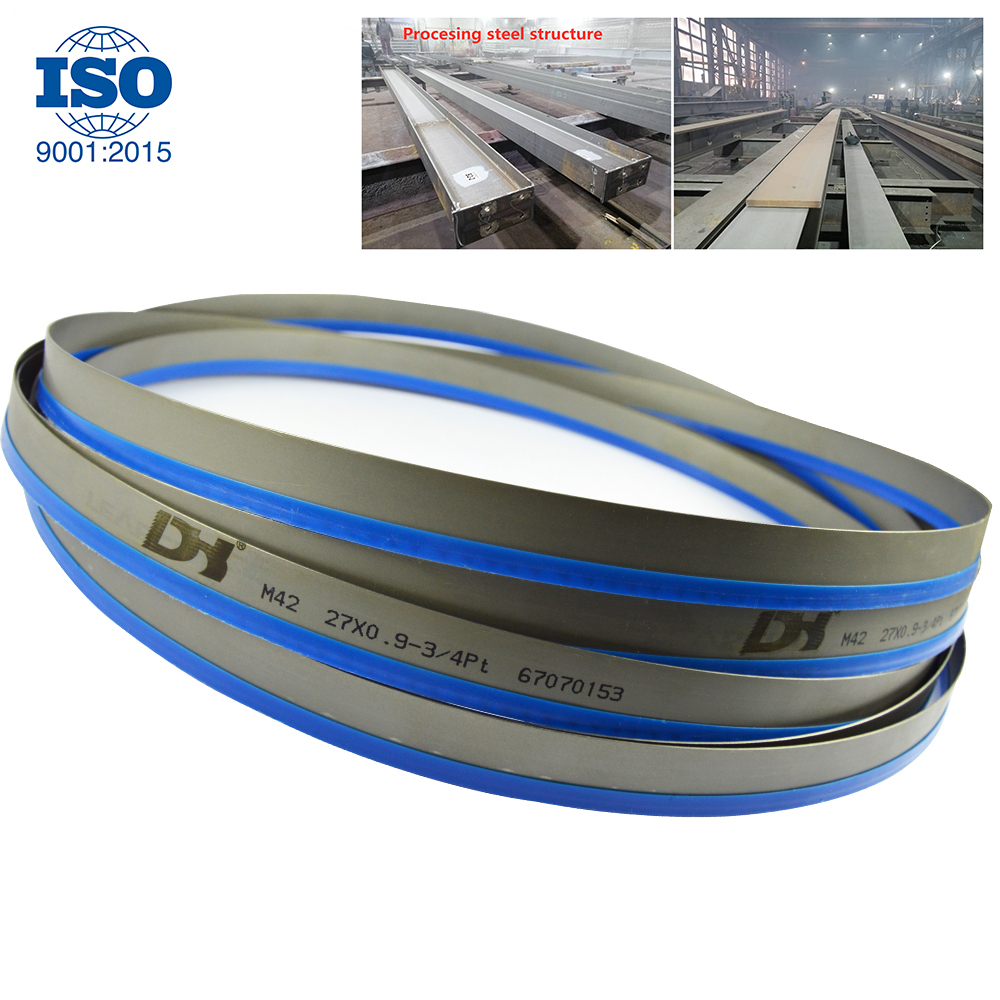
En carpintería profesional y metalurgia., el Hoja de sierra de cinta bimetálica has earned a reputation for exceptional durability and versatility. Combinando un respaldo flexible de acero para resortes con dientes de acero de alta velocidad, Estas hojas resisten la rotura y mantienen el filo del corte por mucho más tiempo que las alternativas de acero al carbono..
Sin embargo, incluso los mejores Hoja de sierra de cinta bimetálica can underperform or fail prematurely when subjected to improper use, tensión incorrecta, o mantenimiento inadecuado. Understanding their primary functions in woodworking, reconocer problemas operativos comunes con soluciones prácticas, and following essential safety practices ensures you maximize the service life and cutting performance these premium blades offer.
Funciones primarias de Bi-metal Band Saw Blades en carpintería
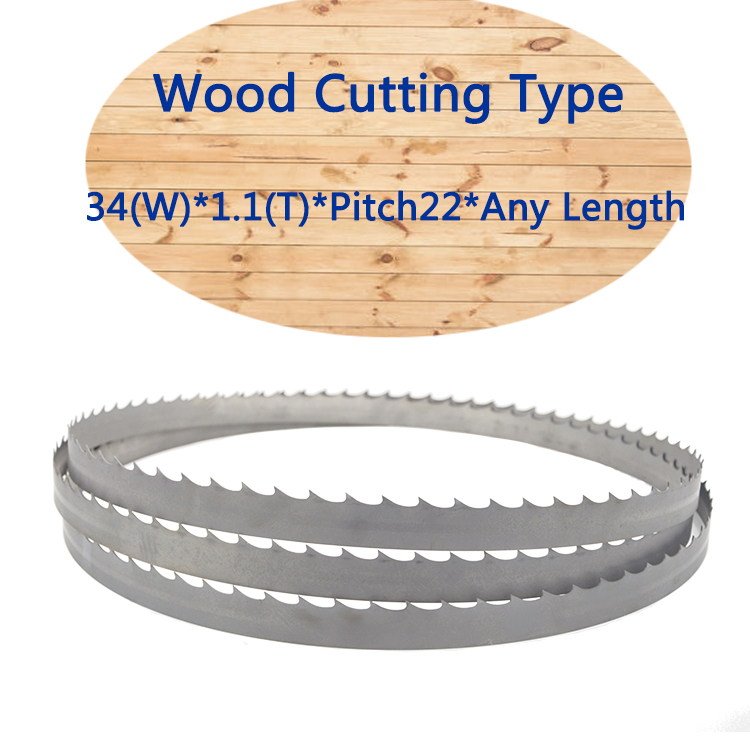
El Hoja de sierra de cinta bimetálica serves as a versatile cutting tool suitable for both woodworking and light metal fabrication. In woodworking applications, these blades excel at resawing hardwoods, cutting thick stock, and processing abrasive materials that would quickly dull standard carbon blades. The high-speed steel teeth maintain their edge when cutting exotic hardwoods containing silica, reclaimed lumber with embedded debris, and even some composite materials.
Unlike standard blades that stretch and fatigue, el Hoja de sierra de cinta bimetálica retains its tension and tracks accurately through long production runs. Common woodworking applications include resawing valuable hardwoods into veneer-thin slices, cutting curves in furniture components, processing thick timber for beams, and roughing out blanks for turning. For workshops handling both wood and occasional non-ferrous metals, el Hoja de sierra de cinta bimetálica eliminates the need for frequent blade changes.
Cinco problemas comunes y soluciones prácticas
Problema 1: Premature Tooth Wear or Blunting
One of the most frequent complaints with the Hoja de sierra de cinta bimetálica is teeth losing sharpness much faster than expected. This typically occurs when cutting abrasive materials such as MDF, tablero de partículas, or wood containing embedded dirt and silica. The high-speed steel teeth, while tougher than carbon steel, cannot match the wear resistance of carbide.
Solución: Primero, verify you are using the correct Hoja de sierra de cinta bimetálica for your material. These blades perform best on clean natural woods and light composites. Switch to carbide-tipped blades for highly abrasive engineered panels. Segundo, reduce feed pressure—forcing material too aggressively generates heat that softens the tooth tips. Tercero, ensure proper blade speed; running too fast on dense hardwoods increases friction dramatically. Finalmente, inspect your workpiece for foreign objects like nails, stones, or bark pockets before cutting.
Problema 2: Cracked or Broken Blade Body
Finding cracks or experiencing complete blade breakage is both dangerous and costly. This problem usually results from excessive tension, improper weld quality, or fatigue from repeated flexing around undersized wheels.
Solución: Check your tension settings immediately. Over-tensioning the Hoja de sierra de cinta bimetálica stresses the steel backing and promotes crack formation at the weld joint. Consulte las recomendaciones del fabricante de su sierra para obtener la tensión adecuada.. Segundo, verify that your band wheels meet the minimum diameter specified for the blade width—using wheels that are too small forces the Hoja de sierra de cinta bimetálica to bend too sharply, causing metal fatigue. Tercero, inspect the blade weld; a poorly finished weld is a common failure point. Replace blades showing any weld irregularities. Finalmente, never store blades coiled tightly for extended periods, as this introduces stress points that lead to cracking.
Problema 3: Wandering or Curved Cuts
cuando el Hoja de sierra de cinta bimetálica begins cutting off the intended line, the issue often relates to blade tension, tooth set, or guide alignment. A blade that drifts sideways produces wasted material and compromises part accuracy.
Solución: Check blade tension first—under-tensioned Bi-metal band saw blades wander unpredictably. Adjust to manufacturer specifications, then verify guide bearings are properly positioned close to the blade without pinching it. Segundo, inspect the tooth set pattern; uneven set causes the blade to cut irregularly. If the blade has been resharpened multiple times, the set may be compromised and replacement is necessary. Tercero, ensure your feed direction follows the blade’s natural cutting tendency rather than forcing lateral pressure. For resawing operations, consider using a wider Hoja de sierra de cinta bimetálica that provides greater beam strength and tracking stability.
Problema 4: Rough or Frayed Cut Surfaces
Poor surface finish defeats the purpose of using a premium Hoja de sierra de cinta bimetálica. Rough edges require additional sanding and reduce production efficiency. This problem usually stems from dull teeth, incorrect tooth pitch, or inadequate blade speed.
Solución: Replace or resharpen the Hoja de sierra de cinta bimetálica al primer signo de degradación de la superficie. Unlike carbide blades, bi-metal blades can be sharpened using conventional CBN wheels. Segundo, evaluate your tooth pitch selection; fine pitches produce smoother finishes but cut slower, while coarse pitches remove material faster but leave rougher surfaces. For most hardwoods, a medium pitch (4-6 teeth per inch) balances finish quality and cutting speed. Tercero, increase blade speed if your machine allows, as faster peripheral speeds generally improve surface finish. Finalmente, ensure your workpiece is fed smoothly without hesitation or surging.
Problema 5: Vibración o chirrido excesivo
La vibración durante el corte no sólo produce superficies onduladas sino que también tensiona el Hoja de sierra de cinta bimetálica y componentes de máquinas. This problem typically stems from wheel condition issues, improper guide adjustment, or poor blade weld quality.
Solución: Start by checking band wheel condition—worn or uneven rubber tires cause blade flutter. Clean any built-up residue from wheel surfaces. Segundo, verify that the blade weld is smooth; a poorly finished weld joint creates a rhythmic thumping vibration. Reduce feed pressure if you are pushing too aggressively, as heavy feeds induce blade deflection and flutter. Tercero, ensure the blade guides are properly adjusted; excessive clearance allows the Hoja de sierra de cinta bimetálica to vibrate laterally during cutting. Finalmente, check for loose machine components including wheel bearings and guide post assemblies.
Essential Safety Recommendations for Bi-metal Band Saw Blades
trabajando con el Hoja de sierra de cinta bimetálica requires respect for its sharp teeth and the forces involved in cutting. Always wear safety glasses or a face shield—broken blades or thrown workpieces can cause serious eye injuries.
Cut-resistant gloves protect hands during blade changes and setup, but never wear gloves when operating the saw, as they can catch on moving parts. Antes de cada uso, inspeccionar el Hoja de sierra de cinta bimetálica para grietas, dientes perdidos, or damaged welds; una hoja comprometida puede fragmentarse a la velocidad de funcionamiento. Keep hands at least six inches from the cutting zone, using push sticks, push blocks, or power feeders for small workpieces. Ensure blade guards are in place and properly adjusted—never bypass safety interlocks or remove guards for convenience.
Al cambiar las cuchillas, disconnect power at the source rather than relying on the switch alone. mantener una limpieza, área de trabajo bien iluminada alrededor de la sierra; slippery floors or cluttered workspaces contribute to accidents. Finalmente, receive proper training on your specific machine, as different band saws have unique safety characteristics and blade tensioning procedures.
Conclusión
El Hoja de sierra de cinta bimetálica provides an excellent balance of durability, flexibilidad, and cost-effectiveness for woodworking and light fabrication applications. By understanding its primary functions and recognizing the five common issues outlined above—premature wear, blade breakage, cortes errantes, superficies rugosas, and vibration—operators can implement practical solutions that restore cutting quality and extend blade service life. Inspección periódica, tensión adecuada, tasas de alimentación apropiadas, y el cumplimiento de las prácticas de seguridad garantizan que Hoja de sierra de cinta bimetálica Ofrece un rendimiento confiable y al mismo tiempo mantiene un ambiente de trabajo seguro.. With proper care and attention, these versatile blades handle the majority of workshop cutting tasks effectively and economically.