
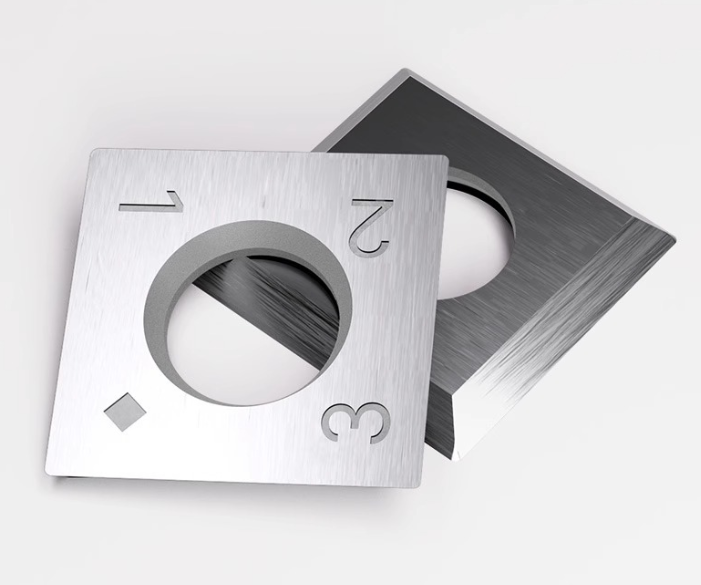
What Are Carbide planner blades?
Definition and Why Pros Choose Them
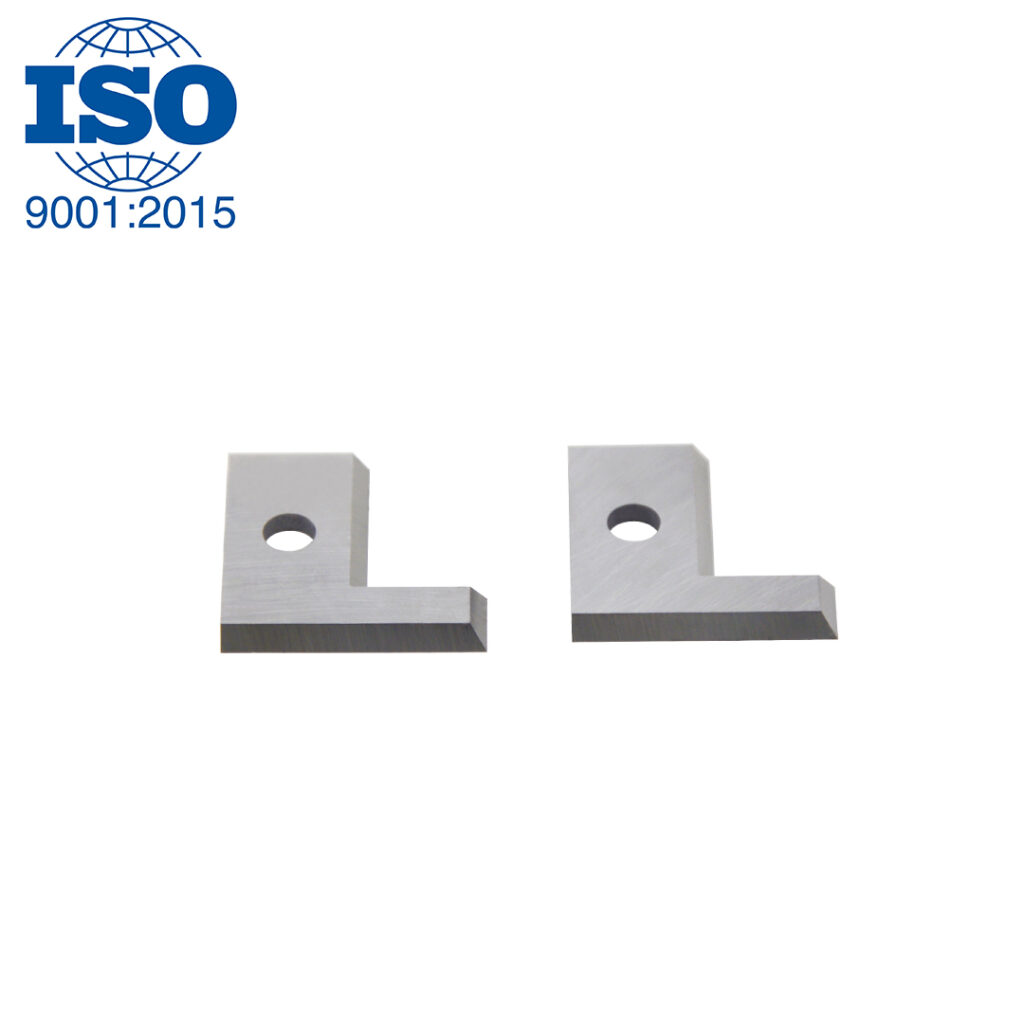
Carbide planner blades are indexable or replaceable cutting knives made from tungsten carbide, Diseñado para ofrecer nitidez duradera y un acabado superficial superior.. en australia, Canadá, los estados unidos, y europa, Los talleres adoptan hojas planificadoras de carburo para cepilladoras., ensambladores, modeladores, and CNC tooling because they cut cleanly, change quickly, and keep production moving with minimal downtime.
En carpintería profesional, Carbide Planner Blades have become the standard choice for thickness planers, ensambladores, and moulders, offering exceptional wear resistance and consistent surface quality. These indexable or disposable carbide inserts eliminate the need for tedious knife setting and balancing, dramatically reducing setup time while delivering superior finishes on hardwoods, maderas blandas, and engineered panels. Sin embargo, even the best Carbide Planner Blades can encounter performance issues when subjected to improper feed techniques, incorrect machine setup, o mantenimiento inadecuado. Understanding their primary functions in planing operations, reconocer problemas comunes con soluciones prácticas, and following essential safety practices ensures you maximize the cost-effectiveness and longevity these advanced cutting tools provide.
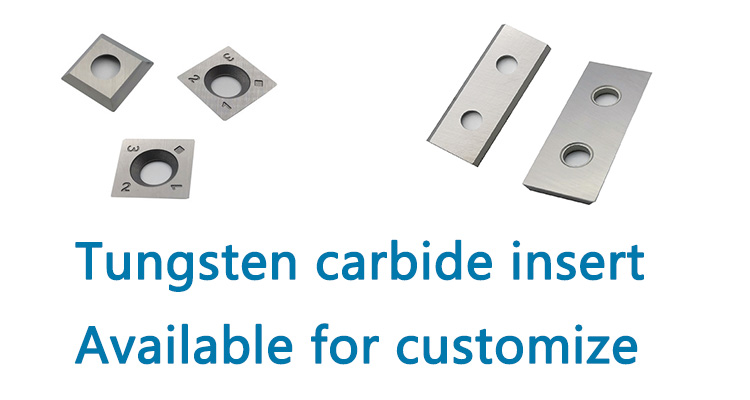
Primary Functions of Carbide Planner Blades in Woodworking
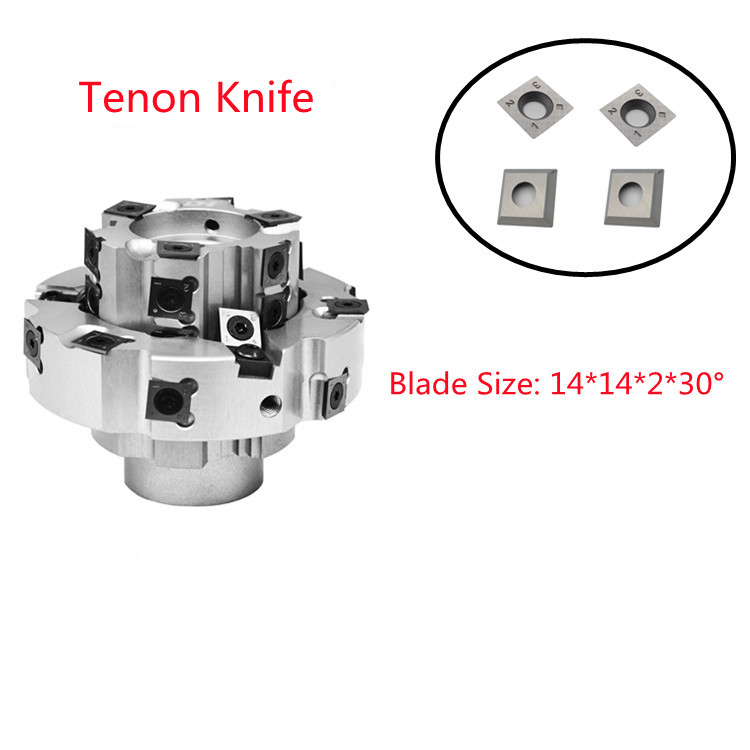
Carbide Planner Blades serve as the cutting elements in thickness planers, ensambladores, y formadoras de cuatro lados, donde transforman la madera en bruto en madera dimensionalmente precisa, tableros con acabado suave. Unlike traditional high-speed steel knives that require manual setting and frequent sharpening, these disposable carbide inserts feature multiple cutting edges—typically two or four per insert. Cuando un borde se apaga, operators simply loosen the clamping screw, rotate the insert to expose a fresh edge, and resume work within minutes.
Las aplicaciones comunes incluyen el cepillado frontal de maderas duras y blandas., Unión de bordes para preparación de encolado., thicknessing of glued-up panels, and high-volume dimensioning in cabinet shops and flooring operations. Para talleres que procesan especies abrasivas como la teca., ipe, o madera recuperada con escombros incrustados, Carbide Planner Blades maintain cutting sharpness five to ten times longer than conventional steel knives, significantly reducing downtime and improving throughput.
Cinco problemas comunes y soluciones prácticas
Problema 1: Tear-out or Fuzzy Grain on Finished Surface
Uno de los problemas más frustrantes con Carbide Planner Blades is producing boards with torn grain, fuzzy patches, or rough surfaces that require extensive sanding. This typically indicates dull inserts, profundidad de corte incorrecta, or feeding against the wood grain.
Solución: Primero, rotate all inserts on the Carbide Planner Blades to expose fresh cutting edges—dull carbide creates friction rather than clean shearing action. Segundo, verify your depth of cut; taking too heavy a pass on figured woods causes tear-out. Reduce to 1-2mm per pass for difficult grain. Tercero, check the feed direction relative to grain orientation; always feed stock with the grain running upward into the cutterhead. For reversing grain or highly figured wood, consider reducing feed speed and using a lighter cut with your Carbide Planner Blades. Finalmente, ensure the cutterhead is parallel to the machine table—misalignment causes uneven engagement that tears grain on one side.
Problema 2: Excessive Insert Chipping or Breakage
Cuando Carbide Planner Blades suffer frequent insert chipping or complete fracture, El culpable suele ser el impacto de un objeto extraño., técnica de alimentación inadecuada, o utilizar una calidad de plaquita incorrecta para el material que se está procesando. Broken inserts damage workpieces and create dangerous projectiles.
Solución: Implemente una inspección rigurosa de la madera antes de cepillar: retire todos los clavos, grapas, y grava incrustada. Para madera recuperada o de construcción, use a metal detector before feeding material into the planer. Segundo, Evite alimentar con material con nudos sueltos o inclusiones de corteza.; estos impactos Carbide Planner Blades con cargas de choque que fracturan el carburo. Tercero, Verifique que esté utilizando la calidad de plaquita correcta para su aplicación.. Las inserciones de carburo estándar funcionan bien para maderas duras y blandas limpias., but processing abrasive materials like MDF or particleboard requires specialized coated or high-wear grades. Cuatro, ensure the insert pockets on your Carbide Planner Blades are clean and free from debris before installing new inserts—trapped particles prevent proper seating and cause uneven stress.
Problema 3: Snipe or Uneven Cut at Board Ends
Snipe—the deeper cut at the beginning or end of a board—is a common complaint when using Carbide Planner Blades. This problem stems from improper roller pressure, incorrect cutterhead positioning, or worn infeed/outfeed tables.
Solución: Adjust your infeed and outfeed rollers to apply consistent pressure across the entire board length. Uneven roller pressure allows the board to lift slightly, causando el Carbide Planner Blades to cut deeper at the ends. Segundo, ensure the cutterhead is positioned at the correct height relative to the table bed—if the cutterhead is too high, the board pivots on the leading roller creating snipe. Tercero, check that your machine’s table rollers or bed plates are not worn or grooved; uneven surfaces allow board rocking. Finalmente, when feeding short stock, use sacrificial support blocks or consider upgrading to Carbide Planner Blades with chip-limiting geometry that reduces the impact of uneven feeding.
Problema 4: Burn Marks or Glazing on Workpiece Surface
Las marcas de quemaduras en las tablas cepilladas indican un calor de fricción excesivo generado por Carbide Planner Blades. Este problema suele deberse a inserciones desafiladas., velocidad de alimentación insuficiente, o acumulación de resina en los bordes cortantes.
Solución: Gire las plaquitas para exponer los filos de corte nuevos.Carbide Planner Blades están diseñados para una fácil indexación, and operators should rotate after every few hours of heavy use.
Segundo, aumentar la velocidad de alimentación; contrario a la intuición, La alimentación más rápida reduce la quema porque cada inserto toma una viruta más gruesa que aleja el calor de la zona de corte..
Tercero, Limpiar bien el cabezal de corte.; pitch and resin accumulated on inserts and between clamping pockets insulates heat and creates friction. Utilice removedores de resina no tóxicos y seguros para el carburo.. Para maderas resinosas como pino o cerezo, aplicar lubricantes o ceras especializados al cabezal de corte entre pasadas. Finalmente, reduce depth of cut if burning persists—taking multiple lighter passes generates less friction than one heavy cut with Carbide Planner Blades.


Problema 5: Difficulty Rotating or Replacing Inserts
Operators sometimes find the indexing mechanism on Carbide Planner Blades difícil de usar, con tornillos congelados o insertos que no se asientan correctamente. Esto conduce a rotaciones omitidas y al uso continuo de bordes cortantes desafilados..
Solución: Apply anti-seize compound to insert clamping screws during installation to prevent galling and corrosion from resin exposure. Al quitar tornillos rebeldes, use high-quality hex keys or Torx drivers that fit precisely—rounded tools damage screw heads and make future indexing impossible. Nunca apriete demasiado los tornillos del inserto; Siga las especificaciones de torque del Carbide Planner Blades fabricante. Limpie bien los bolsillos de los insertos antes de instalar nuevos insertos.; Los residuos atrapados debajo de un inserto impiden un asiento adecuado y afectan la geometría de corte.. Para Carbide Planner Blades with wear-resistant coatings on inserts, ensure you are rotating to the correct position—some inserts have multiple usable edges but specific indexing requirements. Consider establishing a preventive maintenance schedule for the cutterhead body itself, incluida la limpieza e inspección periódica de las roscas de los tornillos.

Essential Safety Recommendations for Carbide Planner Blades
Trabajando con Carbide Planner Blades requires strict attention to safety due to their extreme sharpness and the high-speed rotating mass of the cutterhead. Siempre desconecte la energía y permita que el cabezal de corte se detenga por completo antes de realizar cualquier inspección., limpieza, o insertar rotación. Nunca introduzca la mano en la máquina mientras el cabezal de corte esté girando.Carbide Planner Blades can cause severe lacerations. Wear impact-rated safety glasses; a broken carbide insert ejected from the cutterhead can cause serious eye injuries. Cut-resistant gloves are essential during insert changes and cleaning but must never be worn while the machine is operating.
Antes de instalar Carbide Planner Blades, inspeccionar el cuerpo de acero en busca de grietas, los insertos para chips, and ensure all clamping screws are in good condition. Utilice bloques de empuje o alimentadores eléctricos al cepillar material corto o angosto.; Las manos nunca deben acercarse al área del cabezal de corte.. Ensure all guards, anti-kickback devices, and dust extraction hoods are in place and functioning properly.
Never exceed the maximum RPM rating specified for your machine or cutterhead. Finalmente, receive thorough training on your specific planer’s lockout/tagout procedures and emergency stop functions before performing any maintenance on Carbide Planner Blades.

Conclusión
Carbide Planner Blades have transformed woodworking planing operations through superior wear resistance, rapid indexing, and consistent surface quality. By understanding their primary functions and recognizing the five common issues outlined above—tear-out, insert chipping, snipe, marcas de quemaduras, and difficult indexing—operators can implement practical solutions that restore performance and extend component life. Rotación regular de plaquita, tasas de alimentación adecuadas, limpieza a fondo, y el cumplimiento de las prácticas de seguridad garantizan que Carbide Planner Blades ofrecer los resultados excepcionales para los que están diseñados. Con correcto cuidado y funcionamiento., these innovative cutters turn challenging planing operations into efficient, procesos de producción consistentes.
Cepilladoras de madera Manual de madera Grueso Planificador Cuchillos Cuchillas de cepilladora Hss