
 -Fournisseur de lames de scie à ruban bimétallique pour la coupe du bois
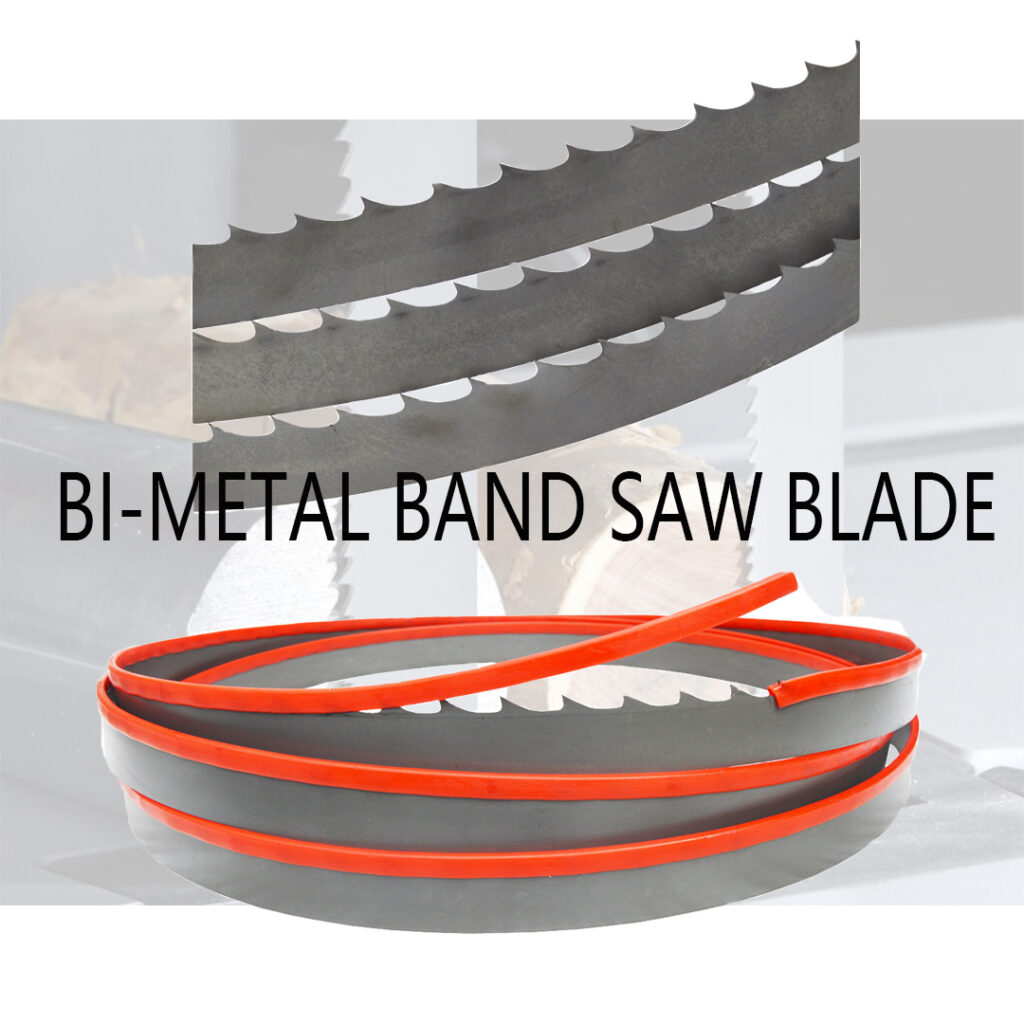 -Fournisseur de lames de scie à ruban bimétallique pour la coupe du bois
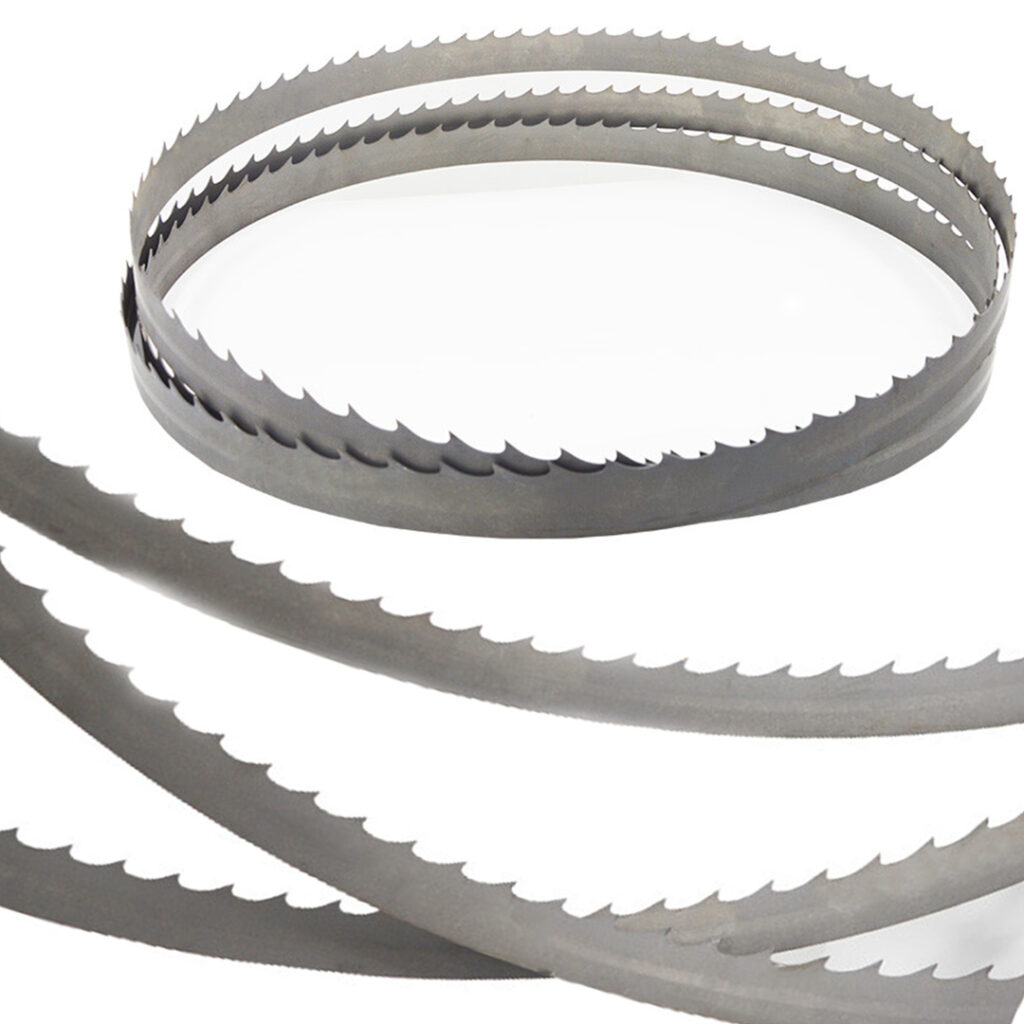
En menuiserie professionnelle, le Lame de scie à ruban bimétallique a acquis une réputation de durabilité et de polyvalence exceptionnelles. En combinant un support flexible en acier à ressort avec des dents en acier rapide (souvent en acier au cobalt M42 avec une dureté atteignant 65° à 68° HRC), ces lames résistent à la casse tout en conservant le tranchant de coupe beaucoup plus longtemps que les alternatives en acier au carbone..【-Fournisseur de lames de scie à ruban bimétallique pour la coupe du bois】
Cependant, même le meilleur Lame de scie à ruban bimétallique peut sous-performer ou échouer prématurément en cas d’utilisation inappropriée, tension incorrecte, ou un entretien inadéquat. Comprendre leurs fonctions principales, reconnaître les problèmes opérationnels courants avec des solutions pratiques, et le respect des pratiques de sécurité essentielles vous garantit de maximiser la durée de vie et les performances de coupe offertes par ces lames haut de gamme..
Fonctions principales des lames de scie à ruban bimétalliques dans le travail du bois
Le Lame de scie à ruban bimétallique sert d'outil de coupe polyvalent adapté au traitement des bois durs, séchoirs, panneaux d'ingénierie, et même des métaux non ferreux. Les pointes des dents en acier rapide conservent leur tranchant lors de la coupe de bois durs exotiques contenant de la silice., bois récupéré avec des débris incrustés, et du bois gelé.
Contrairement aux lames standard qui s'étirent et se fatiguent, le Lame de scie à ruban bimétallique conserve sa tension et suit avec précision tout au long des longues séries de production. Les applications courantes du travail du bois incluent le re-sciage de bois durs précieux, courbes de coupe dans les composants de meubles, traitement du bois épais pour les poutres, et ébaucher des ébauches pour le tournage. Pour les ateliers manipulant aussi bien le bois que les métaux occasionnels, le Lame de scie à ruban bimétallique élimine le besoin de changements fréquents de lame.
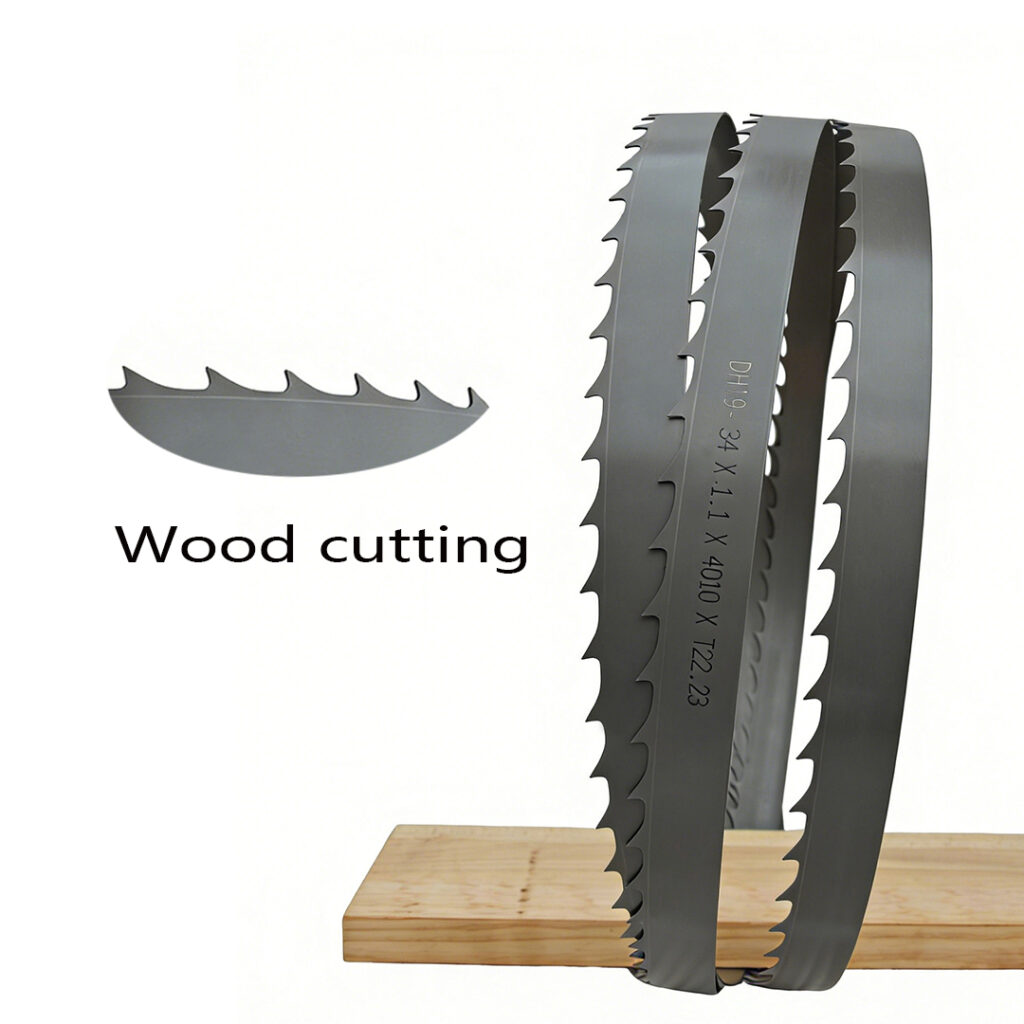
Cinq problèmes courants et solutions pratiques - 【Fournisseur de lames de scie à ruban bimétallique pour la coupe du bois】
Problème 1: Usure prématurée des dents ou émoussement - 【Fournisseur de lames de scie à ruban bimétallique pour la coupe du bois】
L'une des plaintes les plus fréquentes auprès du Lame de scie à ruban bimétallique les dents perdent-elles leur tranchant beaucoup plus rapidement que prévu. Cela se produit généralement lors de la coupe de matériaux abrasifs tels que des panneaux de particules., contre-plaqué, ou du bois contenant de la saleté et de la silice incrustée.
Solution: D'abord, réduire la pression d'alimentation : forcer le matériau de manière trop agressive génère de la chaleur qui ramollit les pointes des dents. Deuxième, assurer une vitesse de lame appropriée; courir trop vite sur des bois durs denses augmente considérablement la friction. Troisième, inspectez votre pièce à la recherche de corps étrangers comme des clous, pierres, ou des poches d'écorce avant de couper. Quatrième, vérifiez que vous utilisez le pas de dent correct pour votre application; les dents plus grossières fonctionnent généralement mieux pour les matériaux tendres tandis que les dents plus fines conviennent aux bois durs.
Problème 2: Rupture de lame au niveau de la soudure ou de l'oesophage
Alors que le Lame de scie à ruban bimétallique est durable, il peut se briser de manière inattendue lorsqu'il est soumis à une contrainte de fatigue, tension inappropriée, ou manque d'entretien. Les fissures capillaires commencent souvent dans l’œsophage de la dent, la zone où la contrainte de traction est la plus élevée..
Solution: Vérifiez immédiatement vos réglages de tension. Une tension excessive sollicite le support en acier et favorise la formation de fissures au niveau du joint de soudure.. La plupart des scies à ruban fonctionnent mieux avec une tension de lame réglée à un minimum de 25,000 psi ou un maximum de 32,000 psi. Deuxième, inspecter régulièrement la soudure de la lame; une soudure mal finie est un point de défaillance courant. Troisième, ne jamais stocker Lames de scie à ruban bimétalliques enroulé trop serré pendant de longues périodes. Quatrième, relâchez la tension de la lame si la machine n'est pas utilisée pendant une période prolongée.
Problème 3: Coupes errantes ou tordues
Quand le Lame de scie à ruban bimétallique commence à couper la ligne prévue, le problème est souvent lié à la tension de la lame, ensemble de dents, ou guider l'alignement. Une lame qui dérive latéralement produit un gaspillage de matière et compromet la précision des pièces.
Solution: Vérifiez d'abord la tension de la lame – sous-tension Lames de scie à ruban bimétalliques errer de manière imprévisible. S'adapter aux spécifications du fabricant, puis vérifiez que les roulements de guidage sont correctement positionnés à proximité de la lame sans la pincer. Deuxième, inspecter le modèle de jeu de dents; un réglage inégal entraîne une coupe irrégulière de la lame. Troisième, assurez-vous que votre direction d'avance suit la tendance naturelle de coupe de la lame plutôt que de forcer une pression latérale. Pour les opérations de refendage, envisagez d'utiliser un Lame de scie à ruban bimétallique qui offre une plus grande résistance au faisceau.
Problème 4: Surfaces coupées rugueuses ou effilochées
Une mauvaise finition de surface va à l’encontre de l’objectif de l’utilisation d’un premium Lame de scie à ruban bimétallique. Ce problème vient généralement de dents ternes, pas de dent incorrect, ou une vitesse de lame inadéquate.
Solution: Utilisez des dents plus fines pour des finitions plus lisses, mais assurez-vous qu'au moins deux dents entrent en contact avec la surface de travail. Deuxième, augmentez la vitesse de la lame si votre machine le permet, car des vitesses plus rapides améliorent généralement la finition de la surface. Troisième, assurez-vous que votre pièce est alimentée en douceur, sans hésitation ni brusquerie. Quatrième, nettoyer soigneusement la lame; la poix et la résine accumulées sur les dents compromettent la qualité de coupe.
Problème 5: Mauvaise évacuation des copeaux ou colmatage de l'œsophage
Quand la sciure s’accumule entre les dents, l'efficacité de coupe chute considérablement. Ce problème survient fréquemment lors de la coupe de bois verts ou résineux.
Solution: Utiliser un pas de dent plus grossier pour fournir des œsophages plus profonds pour le dégagement des copeaux. Deuxième, réduire la charge sur les dents en effectuant des passes plus légères. Troisième, nettoyer le Lame de scie à ruban bimétallique périodiquement avec des solvants appropriés. Quatrième, assurez-vous que la brosse à copeaux de votre machine fonctionne correctement pour éliminer les débris des œsophages.
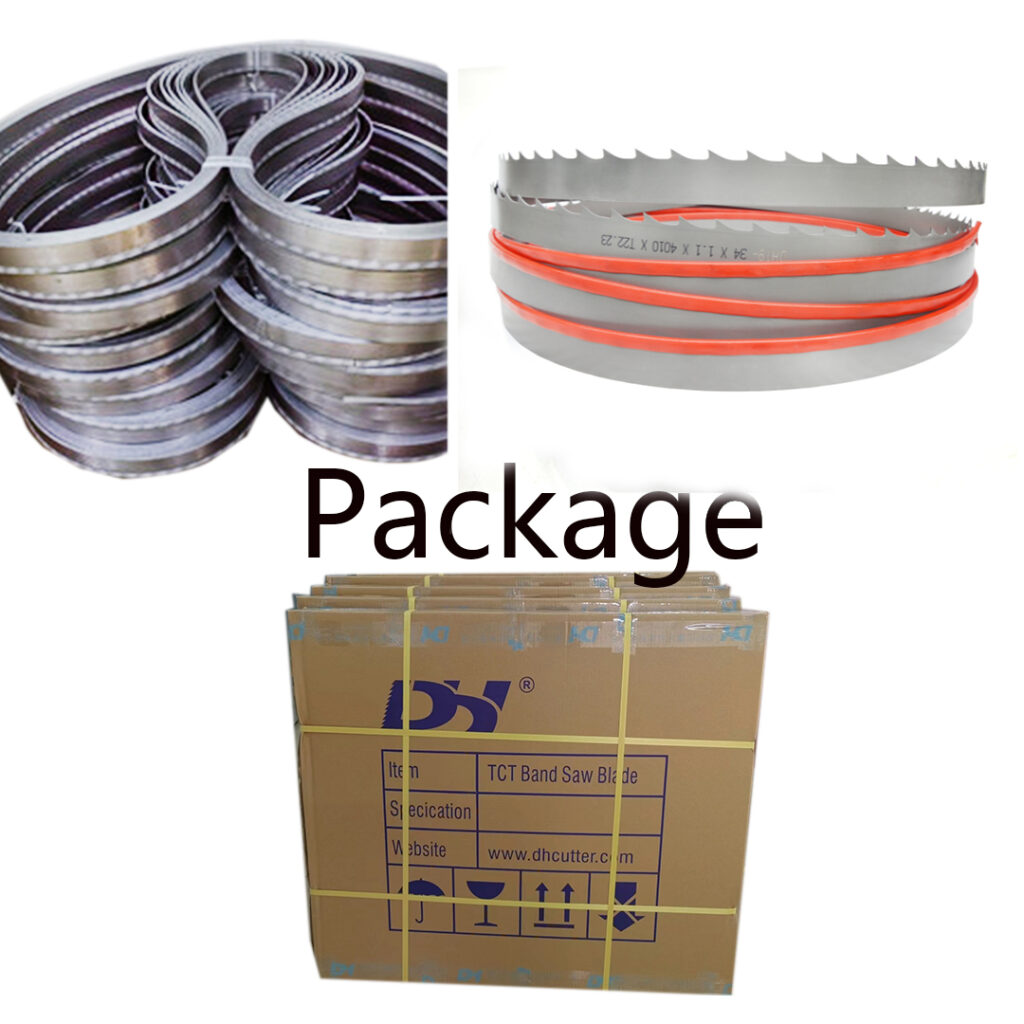
Pourquoi choisir DH Cutter pour vos lames de scie à ruban bimétallique?
Pour les menuisiers et les fabricants recherchant des performances fiables et une valeur à long terme, DH Cutter se distingue comme une source fiable pour Lames de scie à ruban bimétalliques. Nos lames sont dotées de dents en acier au cobalt M42 avec une résistance améliorée à la chaleur et à l'usure., offrir la durabilité exigée par les professionnels.
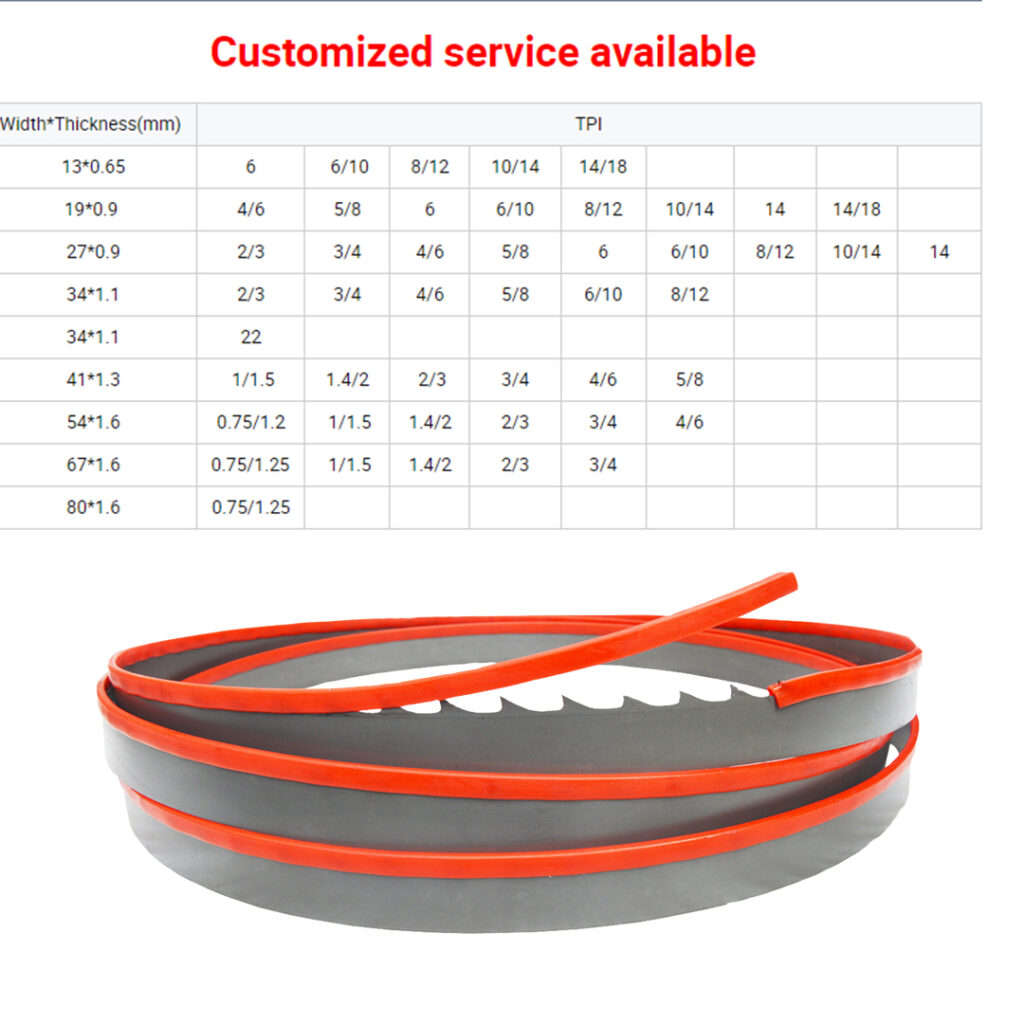
Du point de vue d’un propriétaire d’entreprise, les points douloureux sont clairs: temps d'arrêt coûteux dus aux changements de lame, qualité de coupe incohérente qui gaspille du matériau, et les lames qui tombent en panne prématurément. Coupeurs DH Lames de scie à ruban bimétalliques abordez ces problèmes de front avec une résistance supérieure à la fatigue et une durée de vie prolongée, ce qui signifie moins de changements de lame, moins de déchets, et un débit plus élevé. Disponible en tailles et longueurs personnalisables, nos lames conviennent à diverses machines de transformation du bois, des petits ateliers aux grandes lignes de production.
Pour l'opérateur utilisateur final, les frustrations incluent souvent des lames qui s'émoussent trop rapidement, des dents qui s'écaillent sur des débris cachés, et la lutte constante pour obtenir des coupes droites. La fabrication de précision de DH Cutter garantit une géométrie dentaire cohérente, modèles d'ensemble optimaux, et des soudures fiables qui résistent aux conditions exigeantes. Nos lames conservent leur tranchant dans les bois durs et le bois gelé., réduisant la fréquence des changements de lame frustrants en cours de travail. Avec notre engagement qualité et un service après-vente réactif, nous vous aidons à maintenir une production fluide et efficace.

Recommandations de sécurité essentielles pour les lames de scie à ruban bimétalliques
Travailler avec le Lame de scie à ruban bimétallique exige le respect de ses dents pointues et des forces impliquées dans la coupe. Portez toujours des lunettes de sécurité ou un écran facial : des lames cassées ou des pièces projetées peuvent causer de graves blessures aux yeux.. Des gants résistants aux coupures protègent les mains lors du changement et de la configuration de la lame, mais ne portez jamais de gants lorsque vous utilisez la scie, car ils peuvent s'accrocher aux pièces mobiles. Avant chaque utilisation, inspecter le Lame de scie à ruban bimétallique pour les fissures, dents manquantes, ou soudures endommagées; une lame compromise peut se fragmenter à la vitesse de fonctionnement.
Gardez les mains à au moins six pouces de la zone de coupe, utiliser des poussoirs ou des accessoires pour les petites pièces. Assurez-vous que les protège-lames sont en place et correctement ajustés ; ne contournez jamais les verrouillages de sécurité.. Lors du changement de lame, débranchez l'alimentation à la source plutôt que de compter uniquement sur l'interrupteur. Maintenir une propreté, espace de travail bien éclairé; les débris accumulés peuvent interférer avec le suivi de la lame et créer des risques de glissade. Enfin, recevez une formation appropriée sur votre machine spécifique, car les différentes scies à ruban ont des caractéristiques de sécurité et des procédures de tension de lame uniques.
Conclusion
Le Lame de scie à ruban bimétallique offre un excellent équilibre de durabilité, la flexibilité, et rentabilité pour les applications exigeantes du travail du bois. En comprenant ses fonctions principales et en reconnaissant les cinq problèmes courants décrits ci-dessus : l'usure prématurée, bris de lame, coupes errantes, surfaces rugueuses, et une mauvaise évacuation des copeaux : les opérateurs peuvent mettre en œuvre des solutions pratiques qui rétablissent la qualité de coupe et prolongent la durée de vie de la lame.. Inspection régulière, bonne tension, vitesses d'alimentation appropriées, et le respect des pratiques de sécurité garantissent que le Lame de scie à ruban bimétallique offre des performances fiables tout en maintenant un environnement de travail sûr. Avec les soins et l'attention appropriés, ces lames polyvalentes permettent de réaliser les tâches de coupe en atelier les plus difficiles de manière efficace et économique.
Autres produits recommandés
Lame de scie à ruban à dents trempées
Lame de scie à ruban pour bois Lames pour scies à ruban Dents trempées
Lame de scierie à bande de carbure d'alliage Lames de scie à ruban de coupe de bois portables
1Meilleure lame de scie à ruban en carbure de tungstène pour la coupe et la transformation du bois
Contactez-nous dès maintenant! | ||
Nom | Anne | |
Tél/Whatsapp/Wechat | +86 13823153384 | |
E-mail | ||