
Quand il s'agit de travail du bois, achieving strong and seamless joints is a game-changer for any project, whether you’re a hobbyist or a professional. One tool that stands out for this purpose is the finger joint cutter, a specialized device designed to create interlocking joints that enhance both durability and aesthetics.
This guide will walk you through the essentials of using a finger joint cutter, covering everything from when to use it to how to maintain it for long-term performance.
By the end, you’ll have a solid understanding of how this tool can elevate your woodworking skills, making your projects more efficient and reliable. Let’s dive into the world of finger joint cutters and unlock their potential.


D'abord, let’s explore the situations where a finger joint cutter becomes indispensable. Essentially, you’ll need this tool when your project requires joining pieces of wood in a way that maximizes strength and minimizes visible seams. Par exemple, if you’re building drawers, boîtes, or furniture frames, a finger joint cutter can produce interlocking “fingers” that fit together snugly, creating a bond that resists pulling apart under stress. This is especially useful in scenarios where glue alone isn’t enough, such as in high-stress items like tabletops or cabinetry.
The processing effect, achieved with a finger joint cutter includes not only a robust connection but also an attractive, patterned look that can add a touch of craftsmanship to your work. Imagine creating a custom jewelry box with neatly interlocking corners that showcase your attention to detail—this is where the finger joint cutter shines. It’s ideal for both small DIY projects and larger commercial applications, such as in woodworking shops or furniture manufacturing, where precision and efficiency are key.
By using a finger joint cutter, you can transform ordinary wood pieces into cohesive structures that stand the test of time, all while reducing material waste compared to other joint methods.


Before you rush out to purchase a finger joint cutter, it’s crucial to do some preparation to ensure you get the right tool for your needs. Start by assessing your specific projects: Consider the types of wood you typically work with, such as softwoods or hardwoods, and the scale of your tasks. Par exemple, if you’re mostly handling small-scale items, a compact finger joint cutter might suffice, whereas larger projects could require a more heavy-duty model.
Suivant, research different brands and read reviews from other woodworkers to gauge reliability and ease of use. Don’t forget to check compatibility with your existing tools, like routers or shapers, as a finger joint cutter often needs to be mounted properly to function effectively. En plus, set a budget that aligns with your long-term goals—investing in a high-quality finger joint cutter might cost more upfront but can save you money on replacements down the line.
Enfin, familiarize yourself with basic safety features and ensure you have the necessary accessories, such as appropriate bits or guards. This groundwork will help you make an informed decision, ensuring that your finger joint cutter integrates smoothly into your workflow and delivers the results you expect.

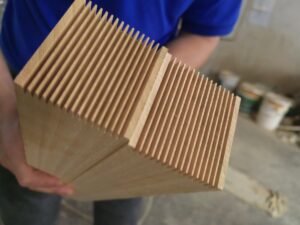
Once you have your finger joint cutter, using it correctly is vital for both safety and quality outcomes. Always begin by reading the manufacturer’s instructions thoroughly, as each model might have unique requirements.
When operating the tool, wear protective gear like safety glasses and gloves to prevent injuries from flying wood chips or accidental contact. Secure your workpiece firmly using clamps or a vise to avoid movement during cutting, which could lead to uneven joints or damage. Start with a test piece of scrap wood to adjust the depth and speed settings—this helps you fine-tune the finger joint cutter without risking your main material.
As you work, maintain a steady feed rate; pushing too hard can cause the cutter to overheat or produce rough edges, while going too slow might result in incomplete cuts. Keep an eye on the sharpness of the blades; a dull finger joint cutter not only yields poor results but also increases the risk of kickback. Remember to periodically check for any loose parts or wear, and never force the tool if it feels resistant. By following these precautions, you’ll not only achieve precise, clean joints but also extend the life of your equipment, making each use of the finger joint cutter a rewarding experience.
Carpentry Wood Log Tenon Workshop Machinery Tools tct Industrial Joints Couteaux en carbure dentaire
To keep your finger joint cutter in top condition and maximize its lifespan, regular maintenance is essential.
After each use, clean the cutter thoroughly to remove any wood residue or dust that could lead to corrosion or clogging. Use a soft brush or compressed air for hard-to-reach areas, and avoid harsh chemicals that might damage the metal components.
Storage is another key aspect—keep your finger joint cutter in a dry, cool place, preferably in a protective case, to prevent rust and accidental bumps. If it’s a model with removable blades, inspect them periodically for signs of wear, such as nicks or dull edges, and sharpen or replace them as needed. This not only ensures consistent performance but also reduces strain on the tool during operation.
En plus, lubricate any moving parts according to the manufacturer’s guidelines to maintain smooth functionality. Over time, even the best finger joint cutter will show signs of aging, but with proper care, you can delay this and enjoy reliable service for years. Think of maintenance as an investment in your craft; a well-kept finger joint cutter will continue to produce high-quality joints, saving you time and money on repairs or replacements.
In summary, the finger joint cutter is a versatile tool that can significantly enhance your woodworking projects by creating strong, attractive joints. From identifying the right scenarios for its use to preparing for purchase, operating it safely, and maintaining it diligently, each step plays a role in achieving optimal results.
By integrating these practices into your routine, you’ll not only master the art of using a finger joint cutter but also build a foundation for more advanced woodworking techniques. Donc, grab your tool, apply these tips, and watch as your projects come together with precision and durability. Happy woodworking!