
Le lame per seghe a nastro bimetalliche sono strumenti indispensabili nelle officine moderne, combinando durevolezza e versatilità. Queste lame sono progettate attraverso un processo di saldatura a fascio di elettroni che unisce un acciaio ad alta velocità (HSS) bordo del dente su un retro flessibile in acciaio legato. Questa costruzione offre le prestazioni di taglio dell'acciaio temprato pur mantenendo la flessibilità e la resistenza alla fatica necessarie per il funzionamento continuo. Comprendere le differenze tra le varietà di lavorazione del legno e di taglio dei metalli, le loro specifiche, e una corretta manutenzione è fondamentale per ottenere prestazioni ottimali.


Lavorazione del legno vs. Lame per seghe a nastro bimetalliche per il taglio dei metalli
La differenza fondamentale tra le lame progettate per il legno e quelle per il metallo risiede nella geometria dei denti, composizione materiale, e l'applicazione prevista.
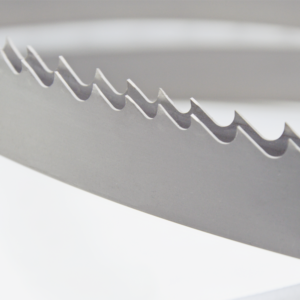
Le lame per seghe a nastro bimetalliche per la lavorazione del legno sono generalmente più grandi, denti più aggressivi con gole più profonde. Questo design facilita la rimozione efficiente dei trucioli durante il taglio di materiali più morbidi come il legname, compensato, o plastica. La geometria del dente è ottimizzata per velocità di avanzamento più elevate e rimozione rapida del materiale. Le specifiche comuni per le lame per la lavorazione del legno spesso includono un numero inferiore di denti per pollice (TPI)-tipicamente compreso tra 3 A 6 TPI per supporti più spessi, che aiuta a prevenire l'intasamento con materiali morbidi. L'acciaio rapido utilizzato nei denti è spesso di qualità tenace, resistente alla silice abrasiva presente nei legni.
Lame per seghe a nastro bimetalliche per il taglio dei metalli, al contrario, sono progettati per i rigori del taglio di metalli ferrosi e non ferrosi. Generalmente hanno un conteggio TPI più elevato, spesso compreso tra 6 E 24 TPI: per garantire che più denti siano in contatto con il pezzo. Ciò fornisce stabilità e riduce le vibrazioni, con conseguente taglio più fluido su materiali duri. L'acciaio rapido utilizzato per i denti è spesso un materiale di qualità superiore come M42, che offre resistenza al calore superiore e caratteristiche di usura cruciali per il taglio di metalli come l'acciaio, ferro, e leghe. Per materiali eccezionalmente duri come leghe a base di nichel o acciaio temprato, le lame specializzate possono persino utilizzare acciai avanzati con metallurgia delle polveri come M51.


Selezionare la lama giusta per il lavoro
La scelta delle lame per sega a nastro bimetalliche appropriate è fondamentale per l'efficienza e la durata della lama. La scelta dipende principalmente da due fattori: il tipo di materiale e la sua dimensione o forma.
Per tagliare legno e materiali più morbidi, una lama con un TPI inferiore e una gola dei denti più grande è l'ideale. Una regola generale è garantire che tra 3 A 6 i denti siano in contatto con il pezzo in lavorazione in qualsiasi punto. Ciò impedisce lo sfilamento dei denti e garantisce un'efficiente evacuazione del truciolo.
Per tagliare i metalli, il TPI deve aumentare con la durezza e lo spessore del materiale. Tubi a parete sottile, lamiera, e le leghe dure richiedono un passo più fine (TPI più elevato, ad es., 18-24) per evitare la rottura dei denti e ottenere un taglio netto. I metalli più teneri come l'alluminio e le barre piene più spesse possono essere tagliati in modo efficace con un passo medio o grosso (per esempio., 10-14 TPI o 6-10 TPI rispettivamente). Per il taglio di blocchi di ferro e barre di acciaio, una lama con una dentatura a passo variabile è spesso vantaggiosa poiché aiuta a smorzare le vibrazioni e riduce il rumore durante il taglio.
Adattare sempre la larghezza della lama all'operazione di taglio. Le lame più larghe sono più stabili per i tagli diritti su materiali di grandi dimensioni, mentre le lame per sega a nastro bimetalliche più strette sono essenziali per il taglio curvo o di contorno.

Procedure corrette di manutenzione e rodaggio
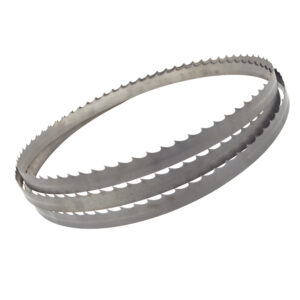
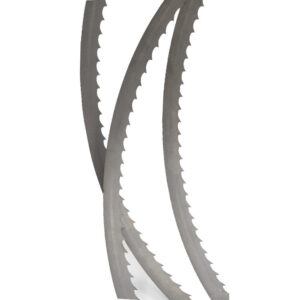
La longevità delle lame per sega a nastro bimetalliche è fortemente influenzata da un rodaggio adeguato e da una cura continua.
Irrompere: Una lama nuova richiede un attento periodo di rodaggio per condizionare i bordi affilati dei denti. Iniziare utilizzando circa la metà della normale pressione di alimentazione e circa 80% della velocità consigliata. Utilizzare questa impostazione per tagliare una superficie di 300-1000 cm². Questo processo delicato attenua le microimperfezioni sui bordi taglienti, prevenendo l'opacizzazione prematura e massimizzando la potenziale durata utile della lama. Una lama rodata correttamente può durare fino a tre volte di più di una lama non rodata.
Raffreddamento e lubrificazione: È essenziale utilizzare il fluido da taglio corretto, soprattutto per i metalli. Riduce il calore, lubrifica il taglio, e migliora la rimozione dei trucioli. La concentrazione dipende dal materiale; per acciaio al carbonio, è possibile utilizzare una miscela più diluita, mentre l'acciaio inossidabile richiede una concentrazione più ricca per prevenire l'incrudimento.
Migliori pratiche operative:
* Tensione: Assicurarsi che la lama sia tesa correttamente secondo le linee guida del produttore della sega. Una tensione insufficiente porta a tagli imprecisi e alla potenziale rottura della lama, mentre un tensionamento eccessivo può affaticare prematuramente la parte posteriore della lama.
* Guide: Mantenere i cuscinetti del guidalama e le ruote di spinta regolati vicino al pezzo da lavorare per il massimo supporto e precisione.
* Spazzola: Assicurarsi che la spazzola per trucioli ruoti correttamente per pulire i trucioli dai denti della lama prima che rientrino nel pezzo da lavorare, che può causare un'usura prematura.
Insomma, le lame per seghe a nastro bimetalliche sono una scelta superiore sia per la lavorazione del legno che per il taglio dei metalli grazie alla loro durata e prestazioni. La scelta della lama giusta implica un'attenta considerazione del passo dei denti e del design per il materiale specifico. Inoltre, una procedura di rodaggio dedicata e un regime di manutenzione coerente non sono solo raccomandazioni: sono investimenti essenziali che prolungano notevolmente la durata della lama, garantire la qualità del taglio, e, in definitiva, migliorare la produttività in qualsiasi officina. Comprendendo questi principi chiave, puoi massimizzare il valore e le prestazioni delle tue lame a nastro bimetalliche.