
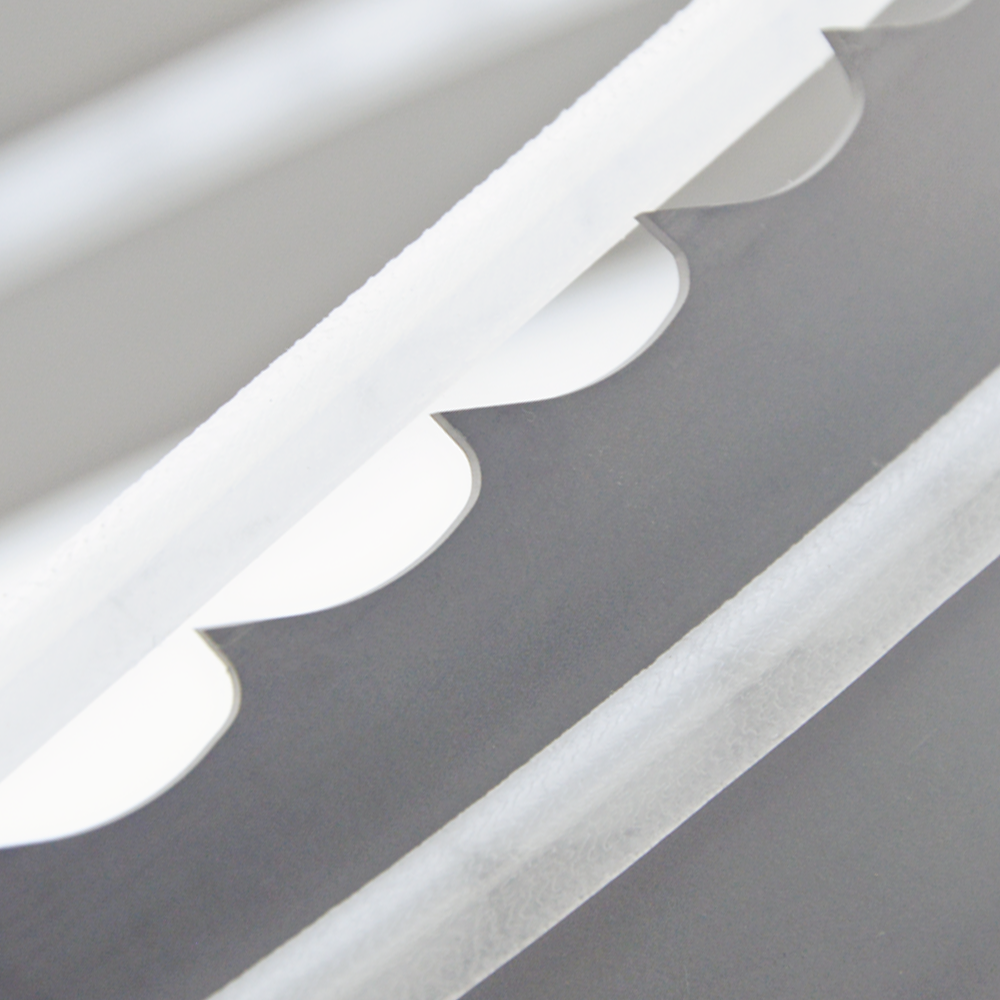
Nella lavorazione professionale del legno e nella lavorazione dei metalli, IL Lama per sega a nastro bimetallica si è guadagnato la reputazione di eccezionale durata e versatilità. Combinando un supporto flessibile in acciaio per molle con denti in acciaio ad alta velocità, queste lame resistono alla rottura mantenendo l'affilatura del taglio molto più a lungo rispetto alle alternative in acciaio al carbonio.
Tuttavia, anche il più bello Lama per sega a nastro bimetallica possono avere prestazioni inferiori o guastarsi prematuramente se sottoposti a un uso improprio, tensione errata, o manutenzione inadeguata. Comprendere le loro funzioni primarie nella lavorazione del legno, riconoscere i problemi operativi comuni con soluzioni pratiche, e il rispetto delle pratiche di sicurezza essenziali garantisce di massimizzare la durata e le prestazioni di taglio offerte da queste lame premium.
Funzioni primarie di Lame per seghe a nastro bimetalliche nella lavorazione del legno
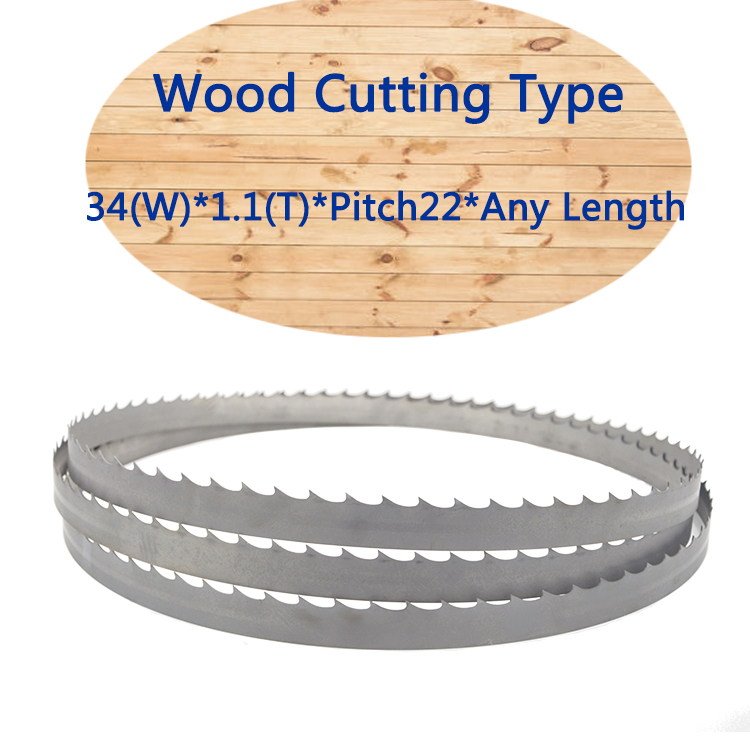
IL Lama per sega a nastro bimetallica funge da utensile da taglio versatile adatto sia alla lavorazione del legno che alla lavorazione di metalli leggeri. Nelle applicazioni per la lavorazione del legno, queste lame eccellono nel refendere i legni duri, tagliare il brodo spesso, e la lavorazione di materiali abrasivi che opacizzerebbero rapidamente le lame in carbonio standard. I denti in acciaio ad alta velocità mantengono il filo durante il taglio di legni duri esotici contenenti silice, legname di recupero con detriti incorporati, e anche alcuni materiali compositi.
A differenza delle lame standard che si allungano e si affaticano, IL Lama per sega a nastro bimetallica mantiene la sua tensione e segue con precisione attraverso lunghi cicli di produzione. Le applicazioni comuni nella lavorazione del legno includono la ritaglio di legni duri pregiati in fette sottilissime, taglio di curve nei componenti di mobili, lavorazione del legname spesso per travi, e sgrossatura di pezzi grezzi per la tornitura. Per officine che trattano sia legno che occasionalmente metalli non ferrosi, IL Lama per sega a nastro bimetallica elimina la necessità di frequenti cambi della lama.
Cinque problemi comuni e soluzioni pratiche
Problema 1: Usura prematura o smussamento dei denti
Una delle lamentele più frequenti con il Lama per sega a nastro bimetallica i denti perdono affilatura molto più velocemente del previsto. Ciò si verifica in genere quando si tagliano materiali abrasivi come MDF, truciolare, o legno contenente sporco e silice incorporati. I denti in acciaio ad alta velocità, mentre più resistente dell'acciaio al carbonio, non può eguagliare la resistenza all'usura del carburo.
Soluzione: Primo, verifica di utilizzare quello corretto Lama per sega a nastro bimetallica per il tuo materiale. Queste lame funzionano meglio su legni naturali puliti e compositi leggeri. Passa alle lame con punta in metallo duro per pannelli tecnici altamente abrasivi. Secondo, ridurre la pressione di alimentazione: forzare il materiale in modo troppo aggressivo genera calore che ammorbidisce le punte dei denti. Terzo, garantire la corretta velocità della lama; correre troppo velocemente su legni duri e densi aumenta notevolmente l'attrito. Finalmente, ispezionare il pezzo in lavorazione per eventuali oggetti estranei come chiodi, pietre, o tasche di corteccia prima del taglio.
Problema 2: Corpo della lama incrinato o rotto
Trovare crepe o sperimentare la rottura completa della lama è pericoloso e costoso. Questo problema di solito deriva da una tensione eccessiva, qualità della saldatura inadeguata, o affaticamento dovuto a flessioni ripetute attorno a ruote sottodimensionate.
Soluzione: Controlla immediatamente le impostazioni della tensione. Sovratensione del Lama per sega a nastro bimetallica sollecita il supporto in acciaio e favorisce la formazione di crepe nel giunto saldato. Consultare le raccomandazioni del produttore della sega per la corretta tensione. Secondo, verifica che le ruote del nastro soddisfino il diametro minimo specificato per la larghezza della lama: l'uso di ruote troppo piccole forza le ruote Lama per sega a nastro bimetallica piegarsi troppo bruscamente, causando affaticamento del metallo. Terzo, ispezionare la saldatura della lama; una saldatura mal rifinita è un punto di fallimento comune. Sostituire le lame che presentano irregolarità di saldatura. Finalmente, non conservare mai le lame avvolte strettamente per periodi prolungati, poiché ciò introduce punti di stress che portano alla fessurazione.
Problema 3: Tagli vaganti o curvi
Quando il Lama per sega a nastro bimetallica inizia a tagliare la linea prevista, il problema spesso riguarda la tensione della lama, set di denti, o guidare l'allineamento. Una lama che si sposta lateralmente produce materiale di scarto e compromette la precisione della parte.
Soluzione: Controllare prima la tensione della lama: sottotensione Lame per seghe a nastro bimetalliche vagare in modo imprevedibile. Adattarsi alle specifiche del produttore, verificare quindi che i cuscinetti di guida siano posizionati correttamente vicino alla lama senza pizzicarla. Secondo, ispezionare il modello di inserimento dei denti; l'impostazione irregolare provoca un taglio irregolare della lama. Se la lama è stata riaffilata più volte, il set potrebbe essere compromesso ed è necessaria la sostituzione. Terzo, assicurati che la direzione di avanzamento segua la naturale tendenza al taglio della lama anziché forzare la pressione laterale. Per operazioni di ritaglio, considerare l'utilizzo di un formato più ampio Lama per sega a nastro bimetallica che fornisce maggiore forza del raggio e stabilità di tracciamento.
Problema 4: Superfici di taglio ruvide o sfilacciate
Una finitura superficiale scadente vanifica lo scopo dell'utilizzo di un premio Lama per sega a nastro bimetallica. I bordi ruvidi richiedono un'ulteriore levigatura e riducono l'efficienza produttiva. Questo problema di solito deriva da denti opachi, passo dei denti errato, o velocità della lama inadeguata.
Soluzione: Sostituisci o riaffila il Lama per sega a nastro bimetallica al primo segno di degrado della superficie. A differenza delle lame in metallo duro, le lame bimetalliche possono essere affilate utilizzando le tradizionali ruote CBN. Secondo, valutare la selezione del passo dei denti; le falde fini producono finiture più lisce ma tagliano più lentamente, mentre le pendenze grossolane rimuovono il materiale più velocemente ma lasciano superfici più ruvide. Per la maggior parte dei legni duri, un tono medio (4-6 denti per pollice) bilancia la qualità della finitura e la velocità di taglio. Terzo, aumentare la velocità della lama se la macchina lo consente, poiché velocità periferiche più elevate generalmente migliorano la finitura superficiale. Finalmente, assicurati che il tuo pezzo venga alimentato senza intoppi senza esitazioni o sbalzi.
Problema 5: Vibrazioni o chiacchiere eccessive
Le vibrazioni durante il taglio non solo producono superfici ondulate ma le sollecitano anche Lama per sega a nastro bimetallica e componenti della macchina. Questo problema deriva in genere da problemi relativi alle condizioni delle ruote, regolazione errata della guida, o scarsa qualità della saldatura della lama.
Soluzione: Inizia controllando le condizioni della ruota del nastro: i pneumatici in gomma usurati o irregolari causano lo sbattimento della lama. Pulire eventuali residui accumulati dalle superfici delle ruote. Secondo, verificare che la saldatura della lama sia liscia; un giunto saldato mal rifinito crea una vibrazione ritmica e martellante. Ridurre la pressione di alimentazione se si spinge in modo troppo aggressivo, poiché gli avanzamenti pesanti inducono la deflessione e lo sbattimento della lama. Terzo, assicurarsi che le guide della lama siano regolate correttamente; uno spazio eccessivo consente il Lama per sega a nastro bimetallica vibrare lateralmente durante il taglio. Finalmente, verificare la presenza di componenti allentati della macchina, compresi i cuscinetti delle ruote e i gruppi dei montanti di guida.
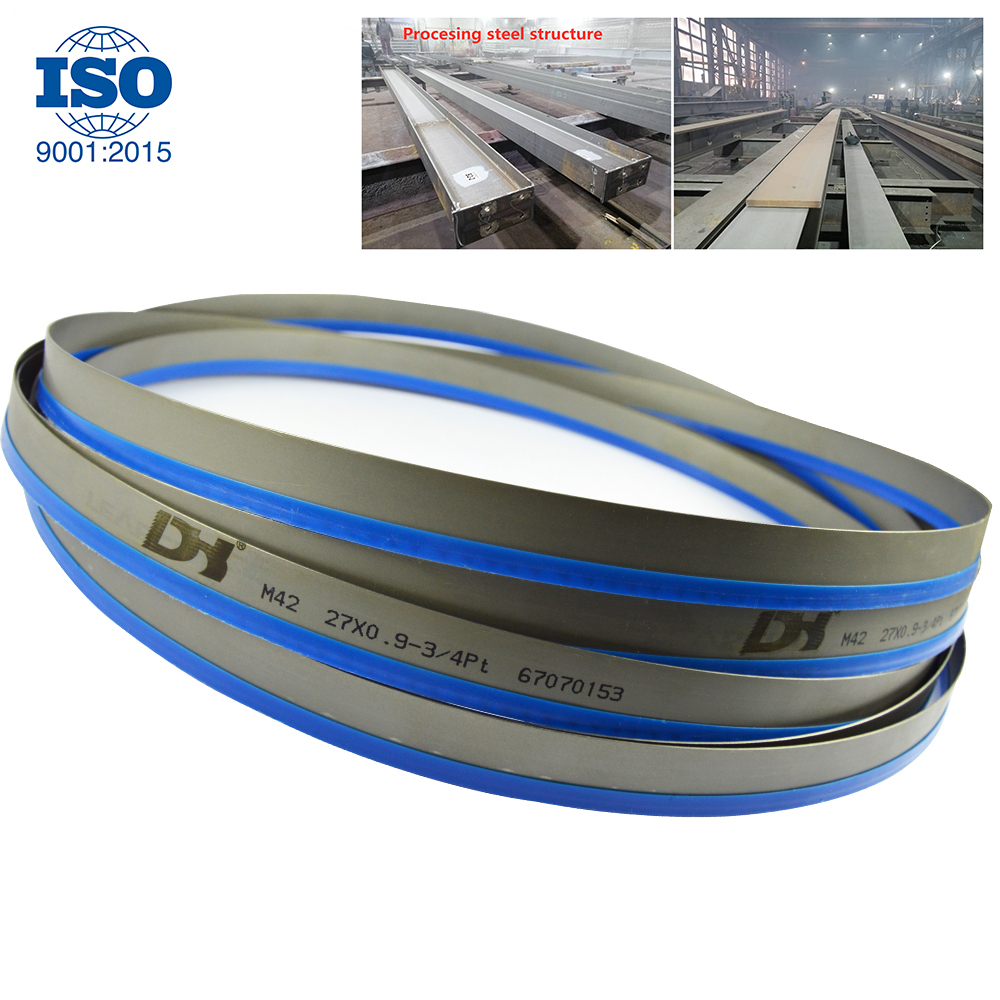
Raccomandazioni di sicurezza essenziali per le lame per seghe a nastro bimetalliche
Lavorare con il Lama per sega a nastro bimetallica richiede il rispetto dei suoi denti affilati e delle forze in gioco nel taglio. Indossare sempre occhiali di sicurezza o una visiera: lame rotte o pezzi scagliati possono causare gravi lesioni agli occhi.
I guanti resistenti al taglio proteggono le mani durante il cambio e l'impostazione della lama, ma non indossare mai i guanti quando si utilizza la sega, poiché potrebbero impigliarsi nelle parti in movimento. Prima di ogni utilizzo, ispezionare il Lama per sega a nastro bimetallica per crepe, denti mancanti, o saldature danneggiate; una lama compromessa può frammentarsi alla velocità operativa. Tenere le mani ad almeno sei pollici dalla zona di taglio, utilizzando bastoncini di spinta, spingere i blocchi, o alimentatori per piccoli pezzi. Assicurarsi che le protezioni delle lame siano a posto e regolate correttamente: non bypassare mai gli interblocchi di sicurezza né rimuovere le protezioni per comodità.
Quando si cambiano le lame, scollegare l'alimentazione alla fonte invece di fare affidamento solo sull'interruttore. Mantenere un ambiente pulito, area di lavoro ben illuminata intorno alla sega; pavimenti scivolosi o spazi di lavoro disordinati contribuiscono agli incidenti. Finalmente, ricevere una formazione adeguata sulla tua macchina specifica, poiché le diverse seghe a nastro hanno caratteristiche di sicurezza e procedure di tensionamento della lama uniche.
Conclusione
IL Lama per sega a nastro bimetallica fornisce un eccellente equilibrio di durata, flessibilità, ed efficienza in termini di costi per le applicazioni di lavorazione del legno e di fabbricazione leggera. Comprendendone le funzioni primarie e riconoscendo i cinque problemi comuni sopra descritti: usura prematura, rottura della lama, tagli erranti, superfici ruvide, e vibrazioni: gli operatori possono implementare soluzioni pratiche che ripristinano la qualità di taglio e prolungano la durata della lama. Ispezione regolare, tensionamento adeguato, velocità di avanzamento adeguate, e il rispetto delle pratiche di sicurezza garantiscono che il Lama per sega a nastro bimetallica offre prestazioni affidabili mantenendo un ambiente di lavoro sicuro. Con la dovuta cura e attenzione, queste lame versatili gestiscono la maggior parte delle attività di taglio in officina in modo efficace ed economico.