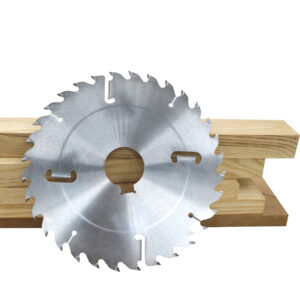
La scelta della lama per sega circolare giusta è fondamentale per qualsiasi progetto di lavorazione del legno. La lama appropriata non solo garantisce tagli puliti e precisi, ma migliora anche la sicurezza e l'efficienza della tua officina. Sono disponibili vari tipi di lame per seghe circolari, comprenderne le differenze e le applicazioni ideali può migliorare significativamente i risultati. This guide will help you navigate the options and provide essential tips for choosing and using the best circular saw blade for your needs.


Types of Circular Saw Blades
- Lame a taglio lungo: Designed for cutting parallel to the wood grain, these blades typically have fewer, larger teeth to quickly remove material.
- Lame a taglio incrociato: Ideal for cutting across the wood grain, they feature more teeth for smoother and finer finishes.
- Lame combinate: Un'opzione versatile adatta sia per tagli longitudinali che trasversali, rendendoli una scelta popolare per la lavorazione del legno per scopi generali.
- Lame di finitura: Con un numero elevato di denti, queste lame offrono tagli ultra lisci, spesso utilizzato per la lavorazione pregiata del legno e impiallacciature.
- Lame a taglio sottile: Questi hanno una larghezza di taglio più stretta, riducendo lo spreco di materiale e la tensione sulle seghe di potenza inferiore, ideale per utensili manuali.
- Lame con punta in carburo: Conosciuti per la loro durata e longevità, queste lame per seghe circolari mantengono l'affilatura più a lungo rispetto alle lame in acciaio standard, soprattutto quando si tagliano legni duri o materiali abrasivi come il compensato con adesivi.
5 Suggerimenti chiave per la scelta della lama per sega circolare giusta
- Abbina la lama al materiale di lavoro
La considerazione principale quando si seleziona una lama per sega circolare è il materiale da tagliare. Per legni teneri, a blade with fewer teeth (per esempio., 24-40 denti) works well for efficient cutting. Hardwoods require a blade with more teeth (per esempio., 60-80 denti) for cleaner results. For laminated woods, compensato, or materials with adhesives, carbide-tipped blades are essential due to their superior wear resistance. Using the wrong blade can lead to rough cuts, opacizzazione prematura, or even safety hazards.
- Consider the Saw Type and Power
The specifications of your saw dictate which circular saw blade is appropriate. Circular saw blades must match your saw’s power and design. Lower-powered saws, such as battery-powered circular saws, often work best with thin-kerf blades to prevent motor strain. Stationary table saws can typically handle full-kerf blades. Always check your saw’s manual for recommended blade specifications, including diameter and arbor size.
- Choose the Right Size and Arbor Hole
Circular saw blades come in various diameters (per esempio., 5-pollice, 7-pollice, 10-pollice) designed for different saws and cutting capacities. The arbor hole (the center hole that mounts the blade to the saw) must precisely match your saw’s spindle size. An improperly sized arbor can cause vibration, inaccurate cuts, and safety risks. Common sizes include 5/8 pollice, 1 pollice, and even 20mm for some European saws, but always verify your machine’s requirements.
- Prioritize Quality and Material
Investing in a high-quality circular saw blade pays off in the long run. Blades made with high-grade steel or featuring carbide tips offer significantly longer life and better performance. While carbide-tipped circular saw blades may have a higher upfront cost, their extended durability and maintained sharpness make them more economical over time, especially for frequent use or professional work.
- Select the Tooth Count for Desired Finish
The number of teeth on a circular saw blade directly affects the cut’s speed and finish. Blades with fewer teeth cut faster but leave a rougher edge, making them suitable for rough framing or ripping. Blades with more teeth cut slower but produce much smoother finishes, ideal for detail work, fine furniture, and visible cuts. For a good balance, combination blades with around 50 teeth offer versatility for various tasks.
3 Essential Usage and Safety Tips for Circular Saw Blades
- La sicurezza prima di tutto: Proper Handling and Protective Gear
Always prioritize safety when using any circular saw blade. Prima dell'installazione, ensure the saw is completely disconnected from power. Always wear appropriate personal protective equipment (DPI), including safety glasses to protect your eyes from flying debris, hearing protection due to the high noise level, and gloves to handle sharp blades safely. Never wear loose clothing or jewelry that could get caught in the machine.
- Correct Installation and Regular Inspection
Improper installation is a common cause of accidents. Ensure the circular saw blade is mounted correctly with the rotation arrows on the blade aligned with the saw’s rotation. The tightening nut must be secured, and all safety guards must be in place and functional. Prima di ogni utilizzo, inspect the blade for any signs of damage, such as cracks, denti mancanti, or significant warping. A damaged blade should be replaced immediately—never use a compromised circular saw blade.
- Appropriate Operation and Maintenance
Utilizzare la lama della sega circolare solo per lo scopo e il materiale previsti. Evitare di forzare la sega attraverso il taglio; lasciare che i denti della lama facciano il lavoro alla velocità appropriata. L'alimentazione eccessiva può causare contraccolpi, surriscaldamento, e opacizzazione prematura. Dopo l'uso, pulire la lama per rimuovere pece e accumuli di resina, che possono influenzare le prestazioni e l'equilibrio. Conservare le lame correttamente in un luogo asciutto, preferibilmente appesi in verticale o nella loro confezione originale, per prevenire danni e corrosione.
Conclusione
Scegliere la lama per sega circolare giusta è una competenza fondamentale per ogni falegname. Comprendendo i diversi tipi di lame e considerando attentamente il materiale, tipo di sega, e finitura desiderata, puoi migliorare significativamente i risultati della lavorazione del legno. Ricorda quella sicurezza, corretta installazione, e la manutenzione regolare sono importanti tanto quanto il processo di selezione stesso. Una lama per sega circolare ben scelta e ben curata è un investimento che ripagherà la qualità dei tuoi progetti negli anni a venire.