
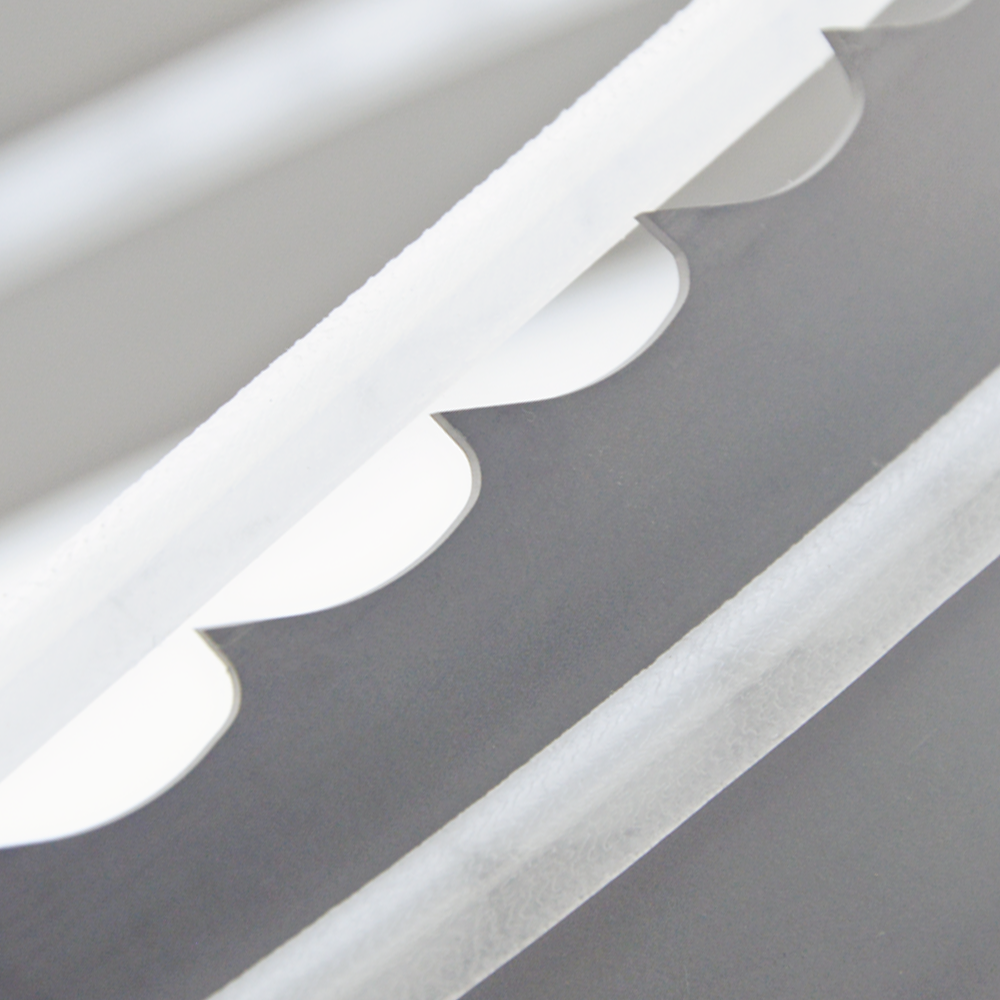
În prelucrarea profesională a lemnului și a metalelor, cel Pânză de ferăstrău cu bandă bimetal has earned a reputation for exceptional durability and versatility. Prin combinarea unui suport flexibil din oțel cu arc cu dinți din oțel de mare viteză, aceste lame rezistă la rupere menținând în același timp ascuțitul de tăiere mult mai mult decât alternativele din oțel carbon.
in orice caz, chiar și cel mai bun Pânză de ferăstrău cu bandă bimetal poate avea performanțe insuficiente sau eșua prematur atunci când este supus unei utilizări necorespunzătoare, incorrect tension, sau întreținere inadecvată. Understanding their primary functions in woodworking, recunoaşterea problemelor operaţionale comune cu soluţii practice, iar respectarea practicilor esențiale de siguranță vă asigură că maximizați durata de viață și performanța de tăiere oferite de aceste lame premium.
Funcții primare ale Pânze de ferăstrău cu bandă bimetalice în Prelucrarea lemnului
The Pânză de ferăstrău cu bandă bimetal serves as a versatile cutting tool suitable for both woodworking and light metal fabrication. In woodworking applications, these blades excel at resawing hardwoods, cutting thick stock, and processing abrasive materials that would quickly dull standard carbon blades. The high-speed steel teeth maintain their edge when cutting exotic hardwoods containing silica, reclaimed lumber with embedded debris, and even some composite materials.
Unlike standard blades that stretch and fatigue, cel Pânză de ferăstrău cu bandă bimetal retains its tension and tracks accurately through long production runs. Common woodworking applications include resawing valuable hardwoods into veneer-thin slices, cutting curves in furniture components, processing thick timber for beams, and roughing out blanks for turning. For workshops handling both wood and occasional non-ferrous metals, cel Pânză de ferăstrău cu bandă bimetal eliminates the need for frequent blade changes.
Cinci probleme comune și soluții practice
Problemă 1: Premature Tooth Wear or Blunting
Una dintre cele mai frecvente plângeri cu Pânză de ferăstrău cu bandă bimetal is teeth losing sharpness much faster than expected. This typically occurs when cutting abrasive materials such as MDF, plăci aglomerate, or wood containing embedded dirt and silica. The high-speed steel teeth, while tougher than carbon steel, cannot match the wear resistance of carbide.
Soluţie: Primul, verify you are using the correct Pânză de ferăstrău cu bandă bimetal for your material. These blades perform best on clean natural woods and light composites. Switch to carbide-tipped blades for highly abrasive engineered panels. Doilea, reduce feed pressure—forcing material too aggressively generates heat that softens the tooth tips. Treilea, ensure proper blade speed; running too fast on dense hardwoods increases friction dramatically. In sfarsit, inspectați-vă piesa de prelucrat pentru a detecta obiecte străine, cum ar fi unghiile, pietre, or bark pockets before cutting.
Problemă 2: Cracked or Broken Blade Body
Finding cracks or experiencing complete blade breakage is both dangerous and costly. This problem usually results from excessive tension, improper weld quality, or fatigue from repeated flexing around undersized wheels.
Soluţie: Check your tension settings immediately. Over-tensioning the Pânză de ferăstrău cu bandă bimetal stresses the steel backing and promotes crack formation at the weld joint. Consultați recomandările producătorului ferăstrăului dumneavoastră pentru o tensiune adecvată. Doilea, verify that your band wheels meet the minimum diameter specified for the blade width—using wheels that are too small forces the Pânză de ferăstrău cu bandă bimetal to bend too sharply, causing metal fatigue. Treilea, inspect the blade weld; o sudură prost finisată este un punct obișnuit de defecțiune. Replace blades showing any weld irregularities. In sfarsit, never store blades coiled tightly for extended periods, as this introduces stress points that lead to cracking.
Problemă 3: Wandering or Curved Cuts
Când cel Pânză de ferăstrău cu bandă bimetal începe să taie linia intenționată, problema se referă adesea la tensiunea lamei, set de dinti, or guide alignment. O lamă care se deplasează în lateral produce risipă de material și compromite precizia pieselor.
Soluţie: Verificați mai întâi tensiunea lamei — subtensionată Pânze de ferăstrău cu bandă bimetalice rătăci imprevizibil. Adjust to manufacturer specifications, then verify guide bearings are properly positioned close to the blade without pinching it. Doilea, inspectați modelul setării dinților; uneven set causes the blade to cut irregularly. Dacă lama a fost reascuțită de mai multe ori, the set may be compromised and replacement is necessary. Treilea, ensure your feed direction follows the blade’s natural cutting tendency rather than forcing lateral pressure. For resawing operations, consider using a wider Pânză de ferăstrău cu bandă bimetal that provides greater beam strength and tracking stability.
Problemă 4: Rough or Frayed Cut Surfaces
Poor surface finish defeats the purpose of using a premium Pânză de ferăstrău cu bandă bimetal. Rough edges require additional sanding and reduce production efficiency. This problem usually stems from dull teeth, incorrect tooth pitch, or inadequate blade speed.
Soluţie: Replace or resharpen the Pânză de ferăstrău cu bandă bimetal la primul semn de degradare a suprafeţei. Spre deosebire de lamele de carbură, bi-metal blades can be sharpened using conventional CBN wheels. Doilea, evaluate your tooth pitch selection; fine pitches produce smoother finishes but cut slower, while coarse pitches remove material faster but leave rougher surfaces. For most hardwoods, a medium pitch (4-6 dinți pe inch) balances finish quality and cutting speed. Treilea, increase blade speed if your machine allows, as faster peripheral speeds generally improve surface finish. In sfarsit, ensure your workpiece is fed smoothly without hesitation or surging.
Problemă 5: Vibrații excesive sau vibrații
Vibrația în timpul tăierii nu numai că produce suprafețe ondulate, ci și stresează Pânză de ferăstrău cu bandă bimetal și componentele mașinii. This problem typically stems from wheel condition issues, improper guide adjustment, or poor blade weld quality.
Soluţie: Start by checking band wheel condition—worn or uneven rubber tires cause blade flutter. Clean any built-up residue from wheel surfaces. Doilea, verify that the blade weld is smooth; a poorly finished weld joint creates a rhythmic thumping vibration. Reduce feed pressure if you are pushing too aggressively, as heavy feeds induce blade deflection and flutter. Treilea, ensure the blade guides are properly adjusted; excessive clearance allows the Pânză de ferăstrău cu bandă bimetal to vibrate laterally during cutting. In sfarsit, check for loose machine components including wheel bearings and guide post assemblies.
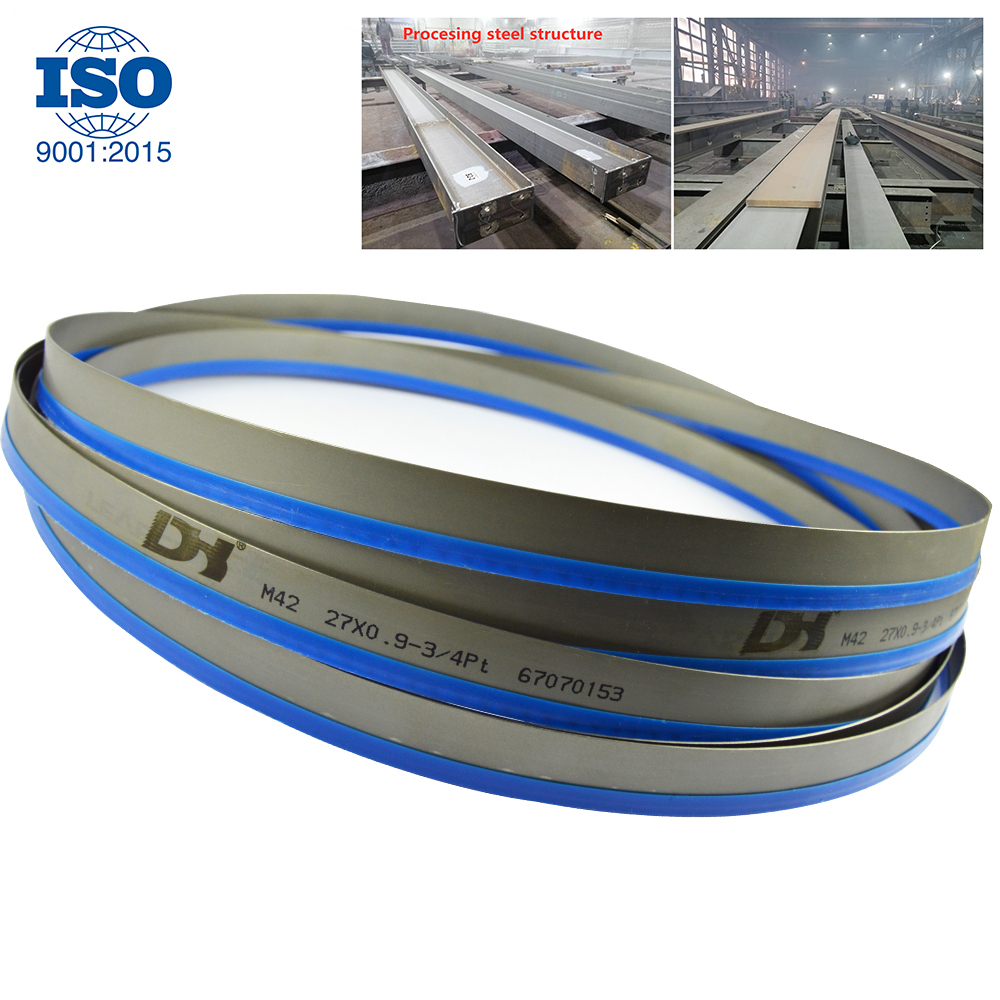
Essential Safety Recommendations for Bi-metal Band Saw Blades
Lucrul cu Pânză de ferăstrău cu bandă bimetal requires respect for its sharp teeth and the forces involved in cutting. Always wear safety glasses or a face shield—broken blades or thrown workpieces can cause serious eye injuries.
Mănușile rezistente la tăiere protejează mâinile în timpul schimbării lamei și al instalării, dar nu purtați niciodată mănuși când utilizați ferăstrăul, as they can catch on moving parts. Înainte de fiecare utilizare, inspectați Pânză de ferăstrău cu bandă bimetal for cracks, missing teeth, or damaged welds; o lamă compromisă se poate fragmenta la viteza de operare. Keep hands at least six inches from the cutting zone, using push sticks, push blocks, or power feeders for small workpieces. Ensure blade guards are in place and properly adjusted—never bypass safety interlocks or remove guards for convenience.
La schimbarea lamelor, disconnect power at the source rather than relying on the switch alone. Mentine curatenia, zonă de lucru bine luminată din jurul ferăstrăului; slippery floors or cluttered workspaces contribute to accidents. In sfarsit, receive proper training on your specific machine, as different band saws have unique safety characteristics and blade tensioning procedures.
Concluzie
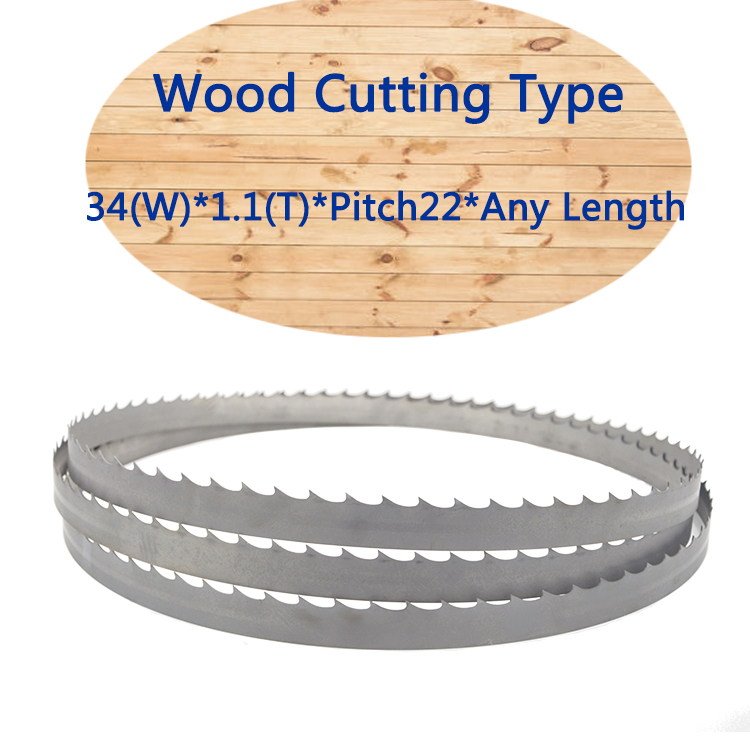
The Pânză de ferăstrău cu bandă bimetal provides an excellent balance of durability, flexibilitate, and cost-effectiveness for woodworking and light fabrication applications. Înțelegând funcțiile sale principale și recunoscând cele cinci probleme comune prezentate mai sus - uzura prematură, blade breakage, tăieturi rătăcitoare, suprafete aspre, and vibration—operators can implement practical solutions that restore cutting quality and extend blade service life. Inspecție regulată, tensionare adecvată, rate de avans adecvate, iar respectarea practicilor de siguranță asigură că Pânză de ferăstrău cu bandă bimetal delivers reliable performance while maintaining a safe work environment. With proper care and attention, these versatile blades handle the majority of workshop cutting tasks effectively and economically.
Uimitor Vanzare Lame Carne Bimetal Sierra De Corte Bi Lama de ferastrau portabil pentru metal