
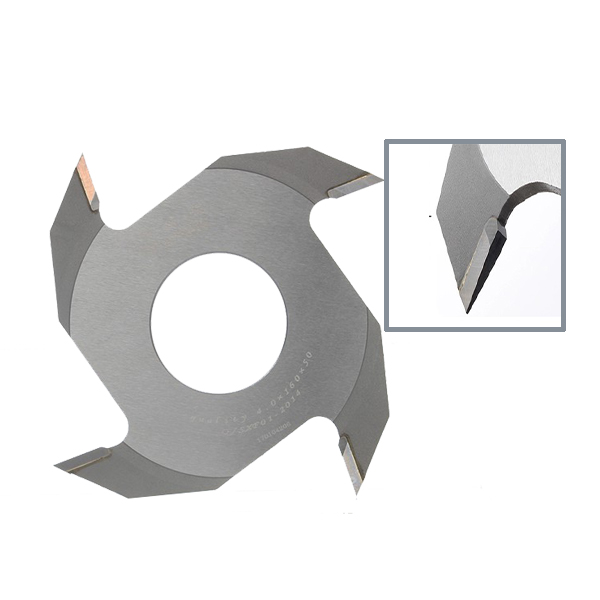
V modernom spracovaní dreva, na Frézy na kĺby prstov je nevyhnutným nástrojom na vytváranie silných, presné zámkové spoje používané vo veľkej miere pri výrobe nábytku, výroba okien a dverí, a podlahy.
Tieto špecializované frézy – zvyčajne s karbidovým hrotom alebo plný karbid – vytvárajú charakteristické vlastnosti “prstom” alebo hrebeňový profil, ktorý maximalizuje povrch lepidla pre vynikajúcu pevnosť spoja. Avšak, aj ten najlepší Fréza na kĺby prstov môže mať nedostatočný výkon alebo predčasne zlyhať, ak je vystavený nesprávnemu nastaveniu, nesprávne rýchlosti posuvu, alebo nedostatočná údržba. Tento článok popisuje hlavné funkcie Fréza na kĺby prstov, päť bežných prevádzkových problémov s praktickými riešeniami, a základné bezpečnostné odporúčania.
Primárne funkcie Frézy na kĺby prstov v spracovaní dreva
The Fréza na kĺby prstov plní kritickú funkciu vytvárania do seba zapadajúcich profilov na koncoch drevených komponentov, umožňujúci silný, efektívne spojenie medzi koncovými bodmi. Tieto frézy majú viacero striedajúcich sa jazýčkov a drážok – tzv “prsty”— ktoré presne pasujú k zodpovedajúcim kúskom. Dizajn maximalizuje plochu lepidla, vytvárajúce pevnosti spojov, ktoré často presahujú pevnosť samotného dreva.
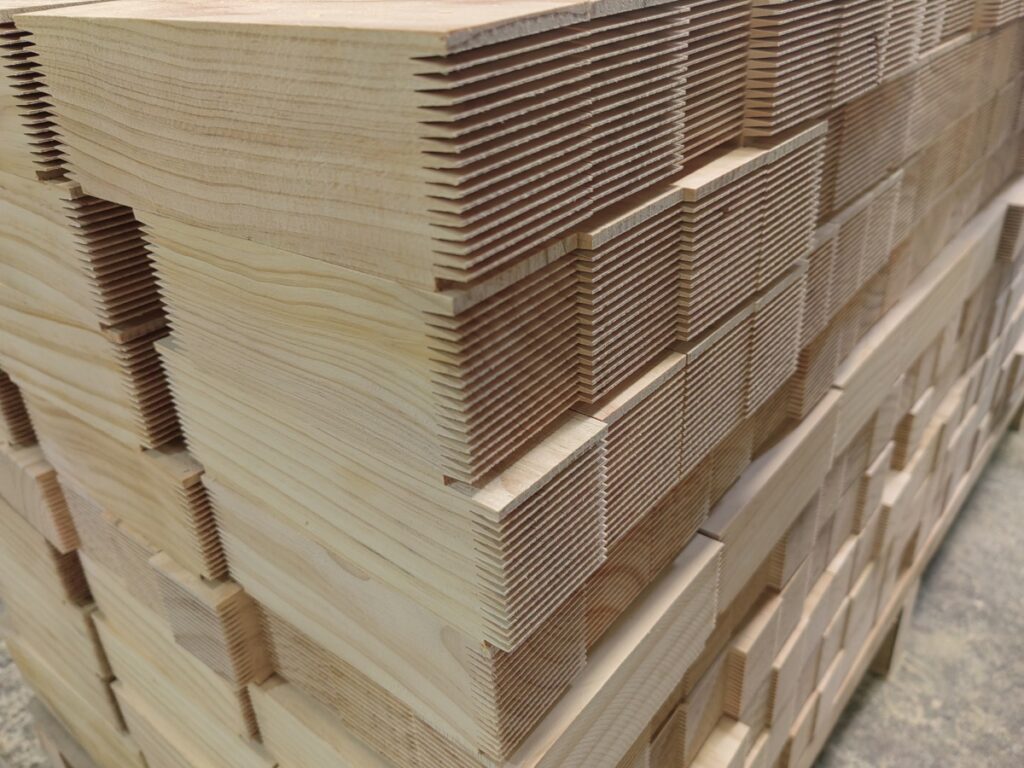
Bežné aplikácie zahŕňajú výrobu okenných a dverových rámov, výroba nábytkových komponentov, vytváranie podláh a obkladov, a všetky aplikácie vyžadujúce dlhú dobu, priebežné dĺžky z kratších zásob. Často sa používajú veľkoobjemové operácie Frézy na kĺby prstov na vyhradených strojoch, s dĺžkami prstov typicky merajúcimi medzi 5 mm a 20 mm a rozstupmi od 4 mm do 20 mm.

Päť bežných problémov a praktických riešení
Problém 1: Slabé prispôsobenie kĺbov alebo medzery
Jeden z najviac frustrujúcich problémov s Fréza na kĺby prstov vyrába spoje s medzerami, nesprávne zarovnanie, alebo nesprávne nasadenie. Zvyčajne to znamená opotrebované ložiská, nesprávna hĺbka rezu, alebo matné nástroje. Keď prsty nezapadajú dokonale, lepené čiary sú viditeľné a pevnosť spoja je ohrozená.
Riešenie: Po prvé, skontrolujte vôľu alebo opotrebovanie ložísk a vretena vášho stroja; aj malé hádzanie ovplyvňuje geometriu kĺbov. Po druhé, skontrolujte hĺbku rezu – ak sú prsty príliš plytké, nezamknú správne. Zabezpečte Fréza na kĺby prstov je nastavená na správnu hĺbku pre vašu hrúbku materiálu. Po tretie, skontrolujte všetky rezné hrany, či nie sú otupené; nudný Fréza na kĺby prstov vytvára drsné povrchy, ktoré bránia tesnému priliehaniu. Podľa potreby otočte alebo vymeňte vložky. Konečne, zaistite, aby bol váš vodiaci systém alebo plot kolmo k rezačke, pretože nesprávne zarovnanie spôsobuje rezy mimo uhla.
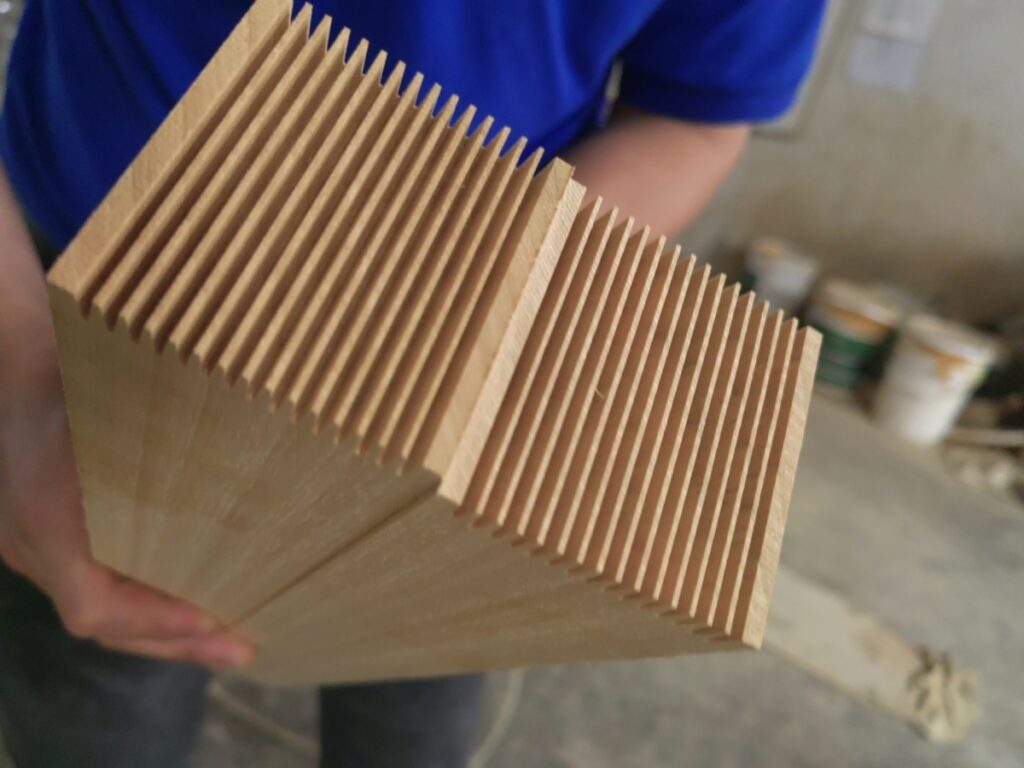
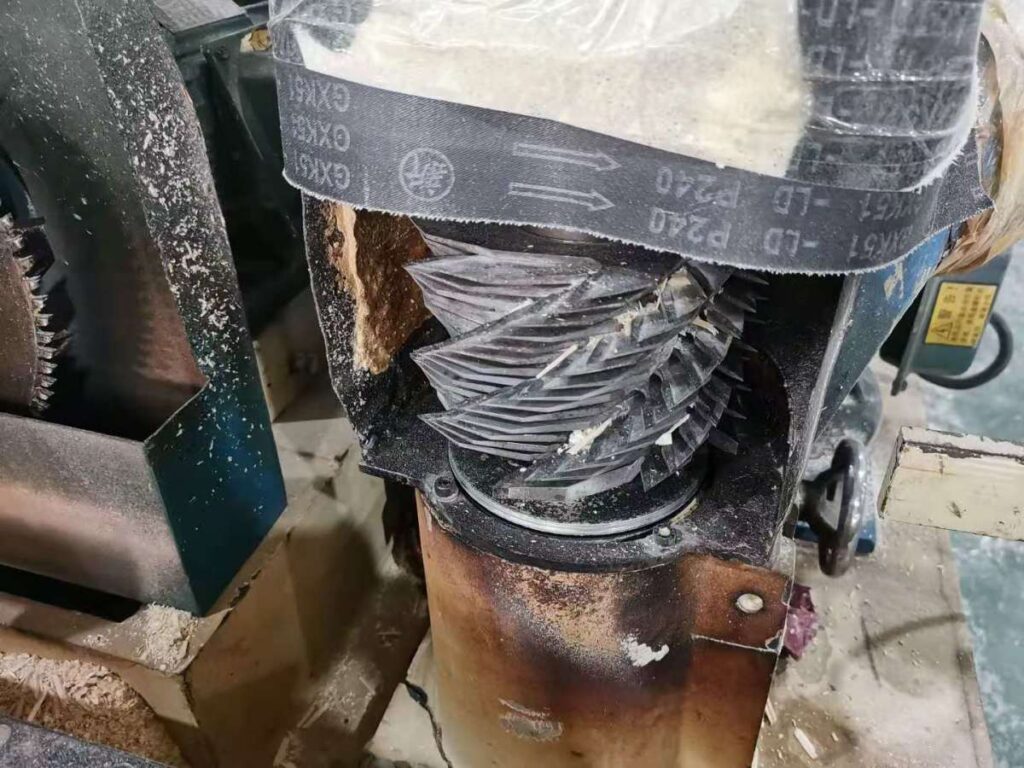
Problém 2: Trhavé a neostré spojovacie povrchy
Drsný, fuzzy, alebo odtrhnuté povrchy prstov znižujú priľnavosť lepidla a integritu spoja. Tento problém pramení z tupého nástroja, nesprávne rýchlosti posuvu, alebo rezanie proti smeru vlákna.
Riešenie: Otočte alebo vymeňte vložky na Fréza na kĺby prstov pri prvom náznaku degradácie povrchu. Po druhé, upraviť rýchlosť posuvu; príliš pomalé podávanie spôsobuje skôr trenie ako čisté strihanie, pri príliš agresívnom kŕmení trhá vlákna. Po tretie, nasmerujte obrobok tak, aby sa rezačka strihala so zrnom, namiesto toho, aby ho dvíhala. Na spätný chod obilia, zvážte zníženie hĺbky rezu a vykonanie viacerých prechodov Fréza na kĺby prstov.
Problém 3: Nekonzistentná dĺžka alebo profil prstov
Rozdiely v dĺžke prstov pozdĺž obrobku alebo kus od kusu naznačujú problémy s nastavením, materiálne nezrovnalosti, alebo problémy s tlakom. Táto chyba ohrozuje pevnosť spoja a presnosť montáže.
Riešenie: Skontrolujte, či sa pridržiavacie alebo podávacie valčeky používajú konzistentne, rovnomerný tlak na pažbu. Nekonzistentný tlak spôsobuje, že sa obrobok počas rezania zdvihne alebo posunie. Po druhé, zabezpečiť Fréza na kĺby prstov je bezpečne upnutý a nešmýka sa na vretene. Po tretie, nakalibrujte svoj doraz alebo polohovací systém; ak sa indexový bod mení, zarovnanie prstov bude nekonzistentné. Konečne, overte, či má vaša zásoba rovnomernú hrúbku – odchýlky spôsobujú Fréza na kĺby prstov prijať nerovnaké škrty.
Problém 4: Nadmerné opotrebovanie nástroja alebo vylamovanie doštičky
Predčasné opotrebovanie alebo odštiepenie Fréza na kĺby prstov vložky je nákladné a narúša výrobu. To sa zvyčajne vyskytuje pri spracovaní abrazívnych materiálov, ako je MDF, tónový doska, alebo exotické tvrdé drevo s vysokým obsahom oxidu kremičitého.
Riešenie: Po prvé, uistite sa, že pre váš materiál používate správnu triedu karbidu. Štandardný karbid funguje na čisté tvrdé drevo, ale abrazívne materiály vyžadujú špecializované triedy s vyššou odolnosťou proti opotrebovaniu. Po druhé, znížte tlak podávania – pritláčanie materiálu agresívne vytvára teplo, ktoré urýchľuje opotrebovanie. Po tretie, udržiavať konzistentné zaťaženie čipu; beh Fréza na kĺby prstov príliš pomaly spôsobuje skôr trenie ako rezanie. Konečne, skontrolujte, či sa v zásobe nenachádzajú cudzie predmety, ako sú klince, svorky, alebo vložený piesok pred obrábaním.
Problém 5: Otrepy alebo triesky na okrajoch prstov
Ostré otrepy alebo úlomky pozdĺž okrajov prstov naznačujú nadmerné teplo, tupé náradie, alebo nesprávny uhol šmyku. Tieto chyby znižujú penetráciu lepidla a pevnosť spoja.
Riešenie: Vyčistite Fréza na kĺby prstov dôkladne; nahromadenie živice a smoly izoluje teplo a vytvára trenie. Používajte špeciálne čistiace roztoky bezpečné pre karbid. Po druhé, skontrolujte, či sú rezné hrany ostré a bez zárezov. Po tretie, skontrolujte, či Fréza na kĺby prstov beží pri správnych otáčkach; nadmerná rýchlosť vytvára teplo, zatiaľ čo nedostatočná rýchlosť spôsobuje trhanie. Konečne, zvážiť použitie Frézy na kĺby prstov so špecializovanými povlakmi, ktoré znižujú trenie a tvorbu tepla.
Základné bezpečnostné odporúčania pre rezačky kĺbov prstov
Práca s Fréza na kĺby prstov vyžaduje prísnu bezpečnostnú disciplínu vďaka viacerým rotujúcim rezným hranám. Vždy noste ochranné okuliare odolné voči nárazu alebo celotvárový štít – rozbité vložky alebo vymrštené obrobky môžu spôsobiť vážne poranenia očí. Rukavice odolné proti prerezaniu sú nevyhnutné pri výmene náradia a čistení, ale nikdy sa nesmú nosiť, keď sa rezná hlava otáča. Pred inštaláciou Fréza na kĺby prstov, skontrolujte oceľové telo na praskliny, vložky na čipy, a uistite sa, že sú všetky upínacie skrutky pevne uchytené. Nikdy neprekračujte maximálne otáčky vyryté na tele frézy. Uistite sa, že všetky ochranné kryty stroja a odsávacie kryty sú na svojom mieste a správne nastavené.
Použite tlačné bloky alebo elektrické podávače, aby sa ruky nedostali do oblasti rezu. Pri odstraňovaní odpadu nikdy nesiahajte do stroja Fréza na kĺby prstov sa točí. Pri výmene alebo nastavovaní nástrojov, úplne odpojte napájanie, než aby ste sa spoliehali na tlačidlo stop. Udržujte čistý pracovný priestor; nahromadené triesky a nečistoty môžu brániť správnemu podávaniu obrobku a vytvárať nebezpečenstvo pošmyknutia. Konečne, absolvujte dôkladné školenie o bezpečnostných funkciách vášho konkrétneho stroja a postupoch núdzového zastavenia predtým, než s ktorýmkoľvek začnete pracovať Fréza na kĺby prstov.

Záver
The Fréza na kĺby prstov je nepostrádateľným nástrojom na vytváranie silných, presné do seba zapadajúce spoje pri veľkoobjemovom obrábaní dreva. Pochopením jeho primárnej funkcie vytvárania zhodných profilov prstov na spájanie koncov a rozpoznaním piatich bežných problémov uvedených vyššie – zlé prispôsobenie, drsné povrchy, nekonzistentná dĺžka, nadmerné opotrebovanie, a otrepy – operátori môžu implementovať praktické riešenia, ktoré obnovia kvalitu rezu a predĺžia životnosť nástroja. Pravidelná kontrola, správne rýchlosti posuvu, vhodné čistenie, a dodržiavanie bezpečnostných postupov zaisťuje, že Fréza na kĺby prstov poskytuje spoľahlivý výkon pri zachovaní bezpečného pracovného prostredia. Pri správnej starostlivosti a prevádzke, tento základný nástroj mení náročné operácie spájania na efektívne, konzistentné výrobné procesy.
Hot Sale Práce s drevom Priemyselná dielňa Hobľovačka Nástroje z tvrdokovu Tesárske práce na mieru