
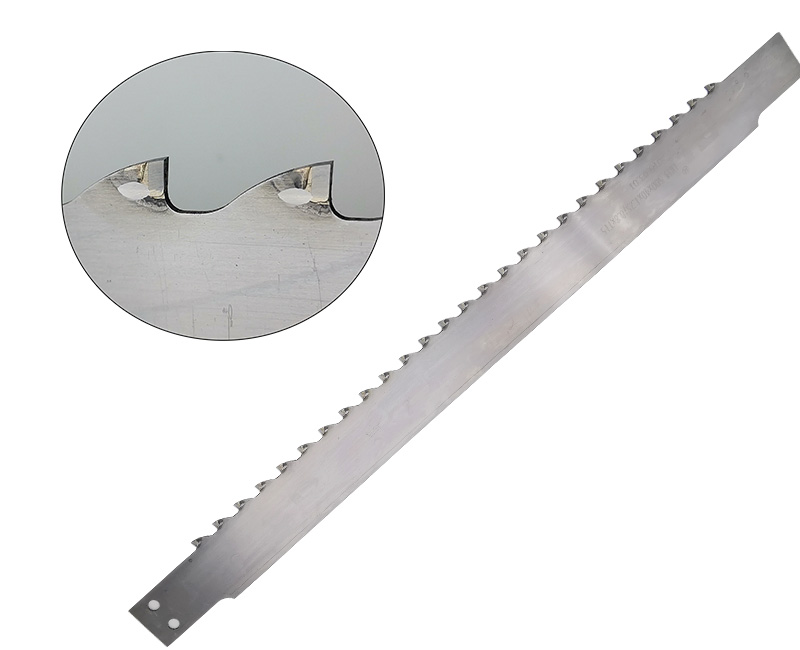
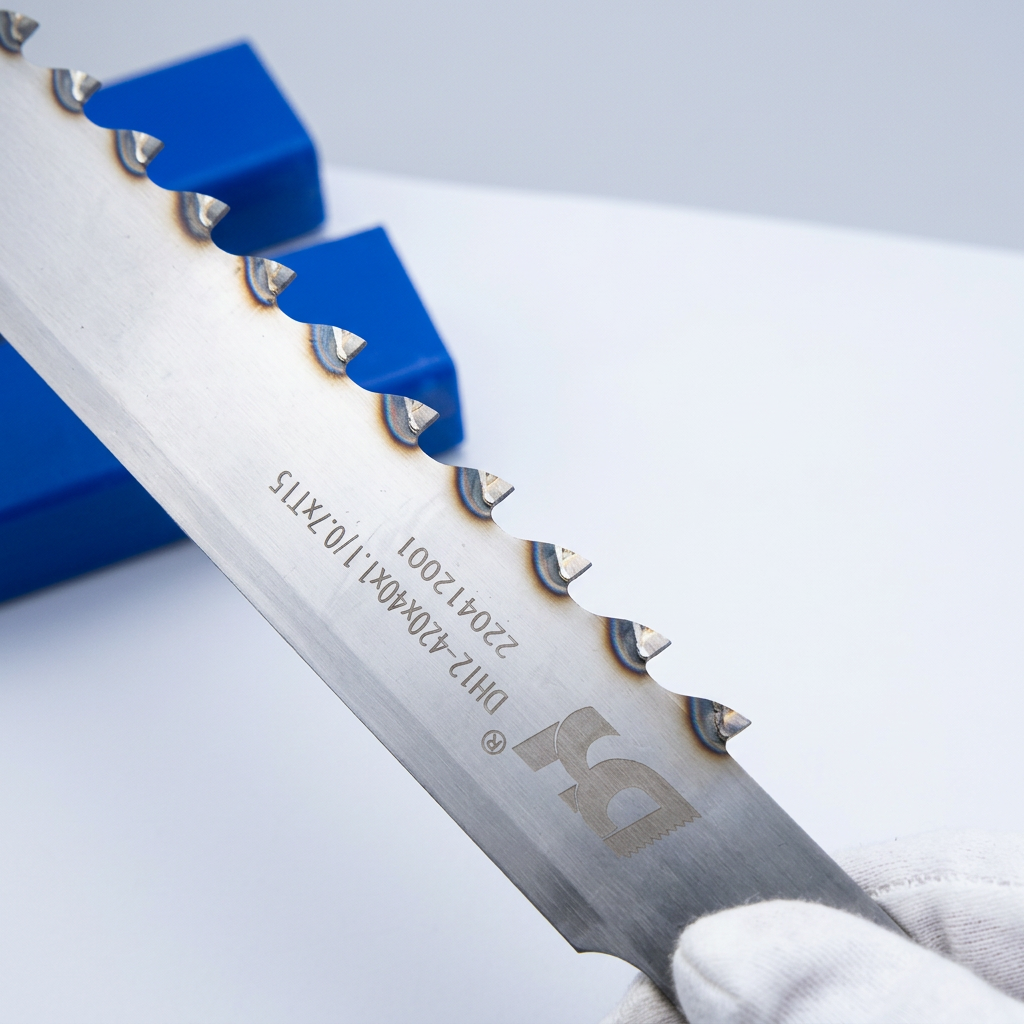
V náročnom svete spracovania masívneho dreva a veľkokapacitnej prestavby dreva, Len málo nástrojov kombinuje odolnosť s účinnosťou rezania tak efektívne ako tieto TCT rámový pílový list. Tieto špecializované rezacie nástroje, so zubami s hrotmi z karbidu volfrámu, predstavujú významný pokrok v porovnaní s bežnými oceľovými čepeľami, poskytuje predĺženú životnosť a konzistentnú kvalitu rezu v náročných aplikáciách. Či už prevádzkujete pílu na spracovanie reziva z listnatého dreva, prevádzkovať stolársku dielňu na rezanie kótovaného dreva, alebo riadiť výrobnú linku na parketové podlahy, výkon vášho TCT rámový pílový list priamo ovplyvňuje priepustnosť, materiálový výnos, a prevádzkové náklady. Pochopenie ich konštrukcie, jedinečné schopnosti, a správna údržba zaisťuje maximalizáciu návratnosti tejto základnej investície do nástrojov.
Konštrukcia a výroba: Ako TCT rámové pílové listy Sú Postavené
TCT rámový pílový list Konštrukcia začína výberom vhodného nosného materiálu – zvyčajne vysokokvalitnej pružinovej ocele, ktorá poskytuje flexibilitu potrebnú na prevádzku rámovej píly s vratným pohybom pri zachovaní napätia potrebného na priame, presné rezy. Toto oceľové telo prechádza presným valcovaním a tepelným spracovaním, aby sa dosiahla konzistentná hrúbka a jednotné mechanické vlastnosti po celej dĺžke čepele.
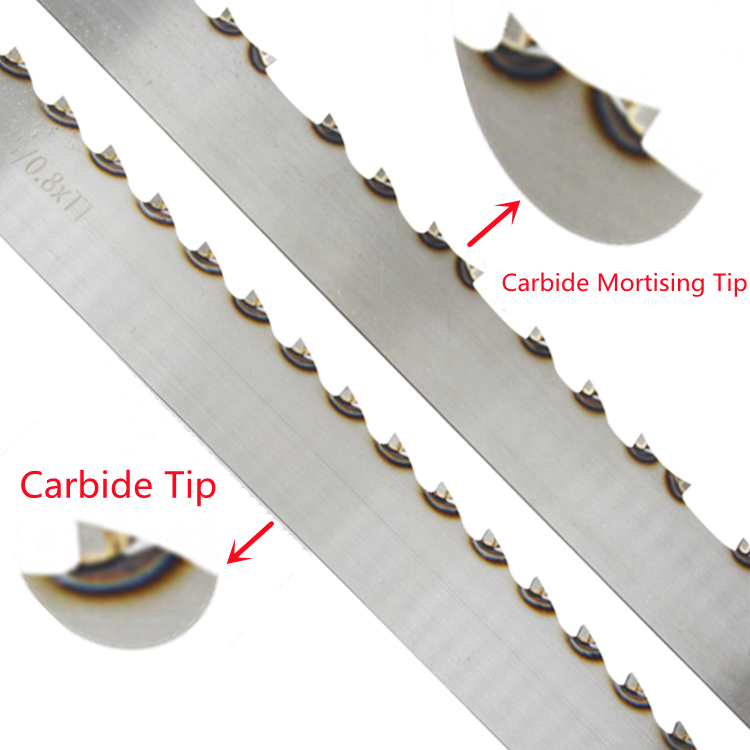
To, čo premieňa tento oceľový pás na efektívny rezný nástroj, je proces sklápania z karbidu volfrámu. Jednotlivé tvrdokovové hroty, vyrobené z prvotriedneho prášku karbidu volfrámu spekaného pri extrémnom tlaku a teplote, sú presne prispájkované na oceľové telo v každom mieste zuba. Proces tvrdého spájkovania vyžaduje starostlivú kontrolu teploty, aby sa zabezpečilo silné metalurgické spojenie bez toho, aby sa ohrozila teplota podložky z pružinovej ocele. Nasledujúca príloha, tvrdokovové hroty prechádzajú presným brúsením, aby sa dosiahla presná geometria zubov, uhly vôle, a nastaviť vzory optimalizované pre špecifické aplikácie rezania.
Kvalita TCT rámový pílový list výroba tiež zahŕňa starostlivé procesy vyrovnávania a napínania. Listy rámovej píly pracujú pod značným napätím v ráme píly, a správne počiatočné napnutie zaisťuje stabilné vedenie a rovné rezanie počas celej životnosti kotúča. Poprední výrobcovia tiež aplikujú na oceľové telo špecializované nátery alebo úpravy, zníženie trenia a zabránenie tvorbe hrdze počas prevádzky alebo skladovania.

Aplikácie a výkon: Kde TCT rámové pílové listy Excel
TCT rámový pílový list aplikácie sa sústreďujú na veľkoobjemové spracovanie masívneho dreva, kde na produktivite a konzistencii záleží najviac. V piliarskych prevádzkach, tieto čepele vynikajú pri premene kmeňov na dimenzované rezivo, manipulácia s mäkkým aj tvrdým drevom s rovnakou účinnosťou. Hroty z karbidu volfrámu udržujú ostrosť rezu vďaka abrazívnej kôre, zapustená špina, a prírodný obsah oxidu kremičitého, ktorý sa nachádza v mnohých druhoch dreva – podmienky, ktoré rýchlo otupujú bežné oceľové čepele.
Pre výrobcov vyrábajúcich parketové podlahy, na TCT rámový pílový list poskytuje presnosť potrebnú pre konzistentné rozmery pásu a čisté povrchové úpravy. Odolnosť karbidu proti opotrebeniu zaisťuje, že tisíce lineárnych metrov rezu zachovávajú tesné tolerancie potrebné na to, aby podlahové komponenty počas inštalácie do seba správne zapadali. Podobne, v stolárstve a výrobe nábytku, tieto čepele spracovávajú dimenzované drevo na komponenty vyžadujúce presné dimenzovanie pred ďalšími operáciami obrábania.
Okrem spracovania masívneho dreva, TCT rámové pílové listy sú rovnako hodnotné pri rezaní výrobkov z dreva vrátane vrstveného dyhového reziva, lepené lamelové drevo, a niektoré druhy drevotrieskových dosiek. Hroty z tvrdokovu odolávajú abrazívnym účinkom lepidiel a živicových systémov, ktoré by rýchlo ohrozili bežné ostrie čepele, zachovanie produktivity a kvality rezu v rámci rozšírených výrobných sérií.
TCT verzus štandardné rámové pílové listy: Pochopenie kritických rozdielov
Zatiaľ čo bežné rámové pílové listy s kalenými oceľovými zubami slúžia na základné rezacie aplikácie, TCT rámový pílový list technológia ponúka základné výhody, ktoré transformujú ekonomiku výroby. Štandardné čepele sa spoliehajú na kalenie zubov procesmi tepelného spracovania, ktoré vytvárajú rovnováhu medzi tvrdosťou reznej hrany a celkovou flexibilitou čepele. Avšak, dokonca aj zuby z prémiovej ocele pri spracovaní abrazívnych materiálov strácajú svoje ostrie, vyžadujúce časté ostrenie alebo výmenu, čo spôsobuje prestoje a nekonzistentnosť kvality.
Jedinečné výhody TCT rámové pílové listy začnite s materiálovými vlastnosťami karbidu volfrámu. Tento kompozitný materiál, typicky obsahujú častice karbidu volfrámu viazané kobaltom, dosahuje tvrdosť približujúcu sa k priemyselným diamantom pri zachovaní dostatočnej húževnatosti na pílenie. Z praktického hľadiska, a TCT rámový pílový list typicky poskytuje desať až dvadsaťnásobok reznej životnosti bežného oceľového kotúča pri porovnateľných prevádzkových podmienkach.
Kvalita povrchovej úpravy predstavuje ďalšiu oblasť, kde TCT rámové pílové listy prevyšujú štandardné možnosti. Presné brúsenie s tvrdokovovými hrotmi poskytuje čistejšie rezanie s menším trhaním povrchu a nadúvaním vlákien. Pre aplikácie, kde rezané povrchy vyžadujú minimálnu prípravu pred následným spracovaním, táto zlepšená kvalita povrchovej úpravy znižuje požiadavky na brúsenie a plytvanie materiálom. Okrem toho, konzistentné charakteristiky opotrebovania karbidov zachovávajú geometriu rezu dlhšie, zabezpečenie toho, že komponenty rezané na začiatku výrobného cyklu zodpovedajú rezom o tisíce cyklov neskôr.
Prevádzkové výhody sa rozširujú na skrátenie prestojov. Tam, kde konvenčné čepele môžu vyžadovať viacnásobné zmeny počas jednej výrobnej zmeny pri spracovaní abrazívnych materiálov, a TCT rámový pílový list často dokončí celú produkciu bez prerušenia. Táto spoľahlivosť je obzvlášť cenná v prostrediach automatizovaného spracovania, kde neplánované zmeny čepele narúšajú pracovný tok a znižujú celkovú efektivitu zariadenia.
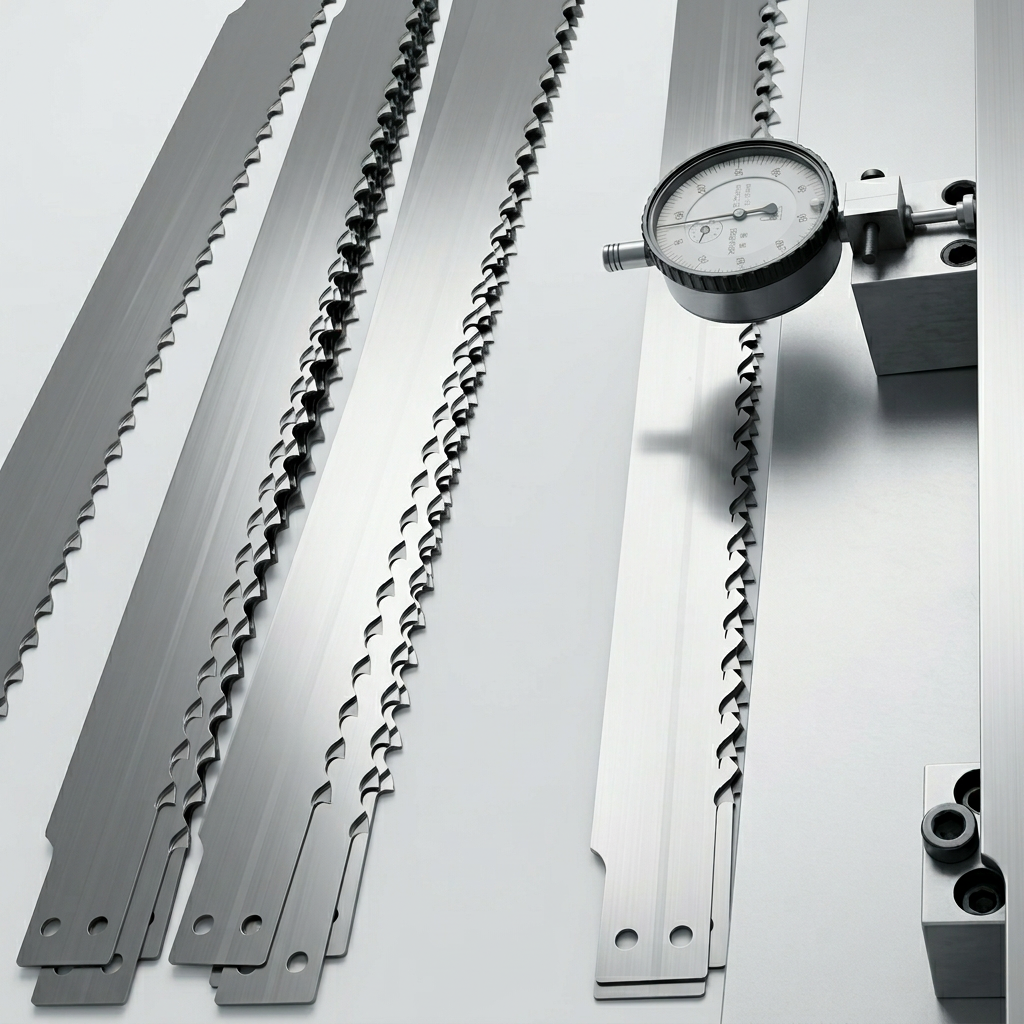
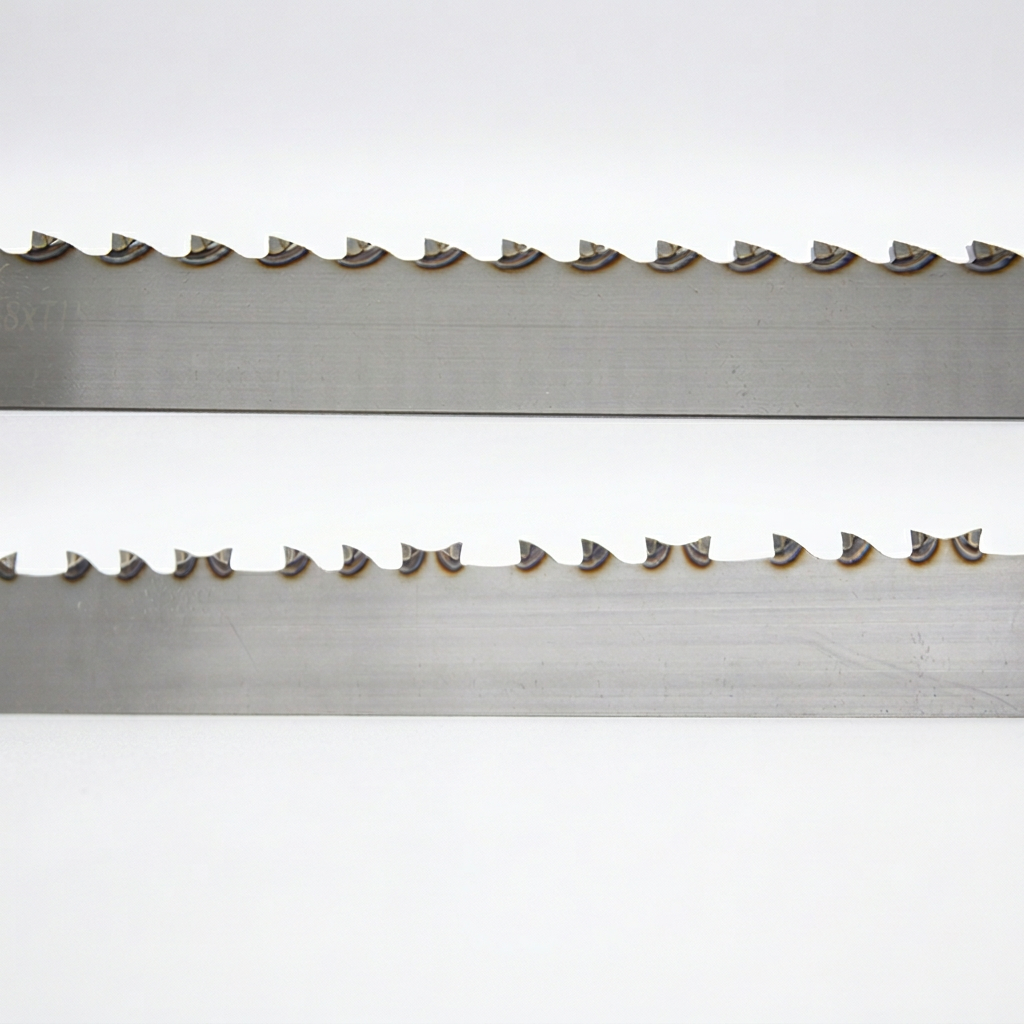
Predĺženie života: Údržba vášho rámového pílového kotúča TCT
Dokonca aj ten najlepší TCT rámový pílový list vyžaduje systematickú starostlivosť, aby dosiahla svoju potenciálnu životnosť. Správne napnutie v ráme píly patrí medzi najkritickejšie faktory – nedostatočne napnuté kotúče sa počas rezania pohybujú, čo vedie k nerovnomernému opotrebovaniu zubov a potenciálnemu poškodeniu čepele, zatiaľ čo nadmerné napätie zbytočne namáha oceľový podklad. Operátori by mali overiť napätie podľa špecifikácií výrobcu, najmä po inštalácii kotúča alebo pri spracovaní materiálov s výrazne odlišnými reznými vlastnosťami.
Ostrenie čepele, keď to bude nakoniec potrebné, vyžaduje špeciálne vybavenie a odborné znalosti. Na rozdiel od bežných čepelí, ktoré možno nabrúsiť štandardnými nástrojmi, TCT rámový pílový list ostrenie vyžaduje diamantové brúsne kotúče a presné ovládanie geometrie zubov. Pokus o nabrúsenie kotúčov s karbidovými hrotmi pomocou bežného brúsneho zariadenia zvyčajne poškodí hroty a ohrozí rezný výkon. Nadviazanie vzťahov s kvalifikovanými ostriacimi službami zaisťuje, že čepele dostanú náležitú údržbu, keď prídu intervaly ostrenia.
Pravidelná kontrola TCT rámový pílový list poskytuje včasné varovanie pred vznikajúcimi problémami. Operátori by mali skontrolovať, či zuby nie sú odštiepené, nerovnomerné vzory opotrebovania, alebo uvoľnenie karbidových hrotov – stavy, ktoré naznačujú problémy s nastavením alebo problémy so spracovaním, ktoré si vyžadujú pozornosť. Oceľový podklad by mal byť tiež skontrolovaný, či neobsahuje praskliny, najmä v blízkosti zvarového spoja alebo v miestach koncentrácie napätia. Okamžité riešenie menších problémov predchádza katastrofickým poruchám, ktoré by mohli poškodiť rám píly alebo ohroziť bezpečnosť operátora.
Čistota výrazne prispieva k TCT rámový pílový list dlhovekosť. Nahromadenie živice na povrchu zubov zvyšuje rezné trenie a tvorbu tepla, zrýchlenie opotrebovania. Pravidelné čistenie vhodnými rozpúšťadlami odstraňuje smolu a zvyšky lepidla, ktoré by inak ohrozili účinnosť rezania. Podobne, zabezpečenie správneho mazania tam, kde je to vhodné, znižuje trenie a odvádza teplo počas prevádzky.
Záver
TCT rámový pílový list technológia predstavuje významný pokrok v spracovaní masívneho dreva a konverzii dreva. Sofistikovaná konštrukcia – hroty z karbidu volfrámu presne prispájkované k podložke z prémiovej pružinovej ocele – poskytuje výnimočnú odolnosť proti opotrebovaniu a konzistentnú kvalitu rezu, ktorá sa nevyrovná bežným oceľovým nožom. Pochopenie rozdielov medzi TCT a štandardnými možnosťami umožňuje informované rozhodnutia o nákupe, ktoré optimalizujú celkové výrobné náklady. Pri správnom napnutí, vhodné postupy ostrenia, a pravidelná kontrola, kvality TCT rámové pílové listy poskytujú predĺženú životnosť, ktorá udržuje výrobné linky v pohybe a kvalitu produktov konzistentnú v náročných aplikáciách.
