
Router bits are indispensable tools for woodworking, transforming raw lumber into beautifully shaped pieces. Hata hivyo, whether you’re a hobbyist in a home studio or an operator in a large factory, using these cutters can sometimes lead to frustrating results. Understanding common problems, their solutions, and proper maintenance is key to achieving a flawless finish.

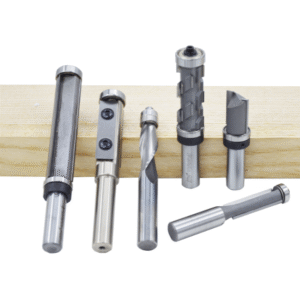
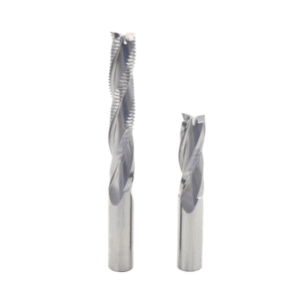
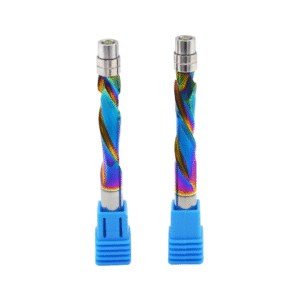

For the individual woodworker, a few issues are particularly prevalent. One of the most common is a poor-quality cut, often manifesting as tear-out or a burned surface. Tear-out typically occurs when routing against the wood grain or using a dull bit.
The solution is simple: make a shallower final pass and always feed the wood against the rotation of the router bit. Burning is usually a sign of moving the material too slowly or using a blunt tool. Maintaining a consistent, appropriate feed speed and ensuring your router bits are sharp will prevent this. Another frequent issue is vibration or chattering, which leaves visible marks on the wood. This is often caused by an improperly secured workpiece, a router running at too low a speed, or a bit not being fully seated in the collet. Always double-check that your material is clamped down tightly and that the router bit is clean and correctly inserted before starting.
In a large industrial setting, the challenges often scale up. While tear-out and burning still occur, the primary concerns are efficiency and tool longevity. Excessive wear on router bits is a major problem due to high-volume processing.
The solution here is a strict preventive maintenance schedule, including regular professional sharpening and replacement of worn bits before they compromise quality. Downtime is the enemy of productivity; having a well-organized inventory of spare router bits ensures a machine is never idle waiting for a replacement. Kwa kuongezea, large factories must pay extra attention to dust collection. Accumulated sawdust can not only be a health hazard but also insulate heat, causing bits to overheat and dull faster. A powerful, centralized dust extraction system is not a luxury but a necessity for both tool life and a safe working environment.
Regardless of your workshop’s size, the longevity of your router bits depends on consistent and proper care. The most important rule is to keep them clean. Pitch and resin from wood can build up on the cutting edges, reducing performance. Soak the bits in a dedicated cleaner or a mild solvent, then gently scrub with a soft brush.
Never use abrasive materials that could damage the cutting surfaces. After cleaning, ensure they are completely dry to prevent corrosion. Storage is equally crucial; router bits should be kept in an organized case or on a rack where the delicate edges cannot knock against each other. Throwing them loosely into a drawer is a sure way to ruin them. Hatimaye, handle them with care. Dropping a router bit can chip its carbide tips, making it unusable and requiring professional repair.
Selecting the right router bit for the job is the first step toward success. The choice depends on three main factors: the machine, the material, and the desired cut.
Kwanza, consider your router’s collet size; most common routers use either 1/4-inch or 1/2-inch shanks. A 1/2-inch shank router bit is generally preferred for larger profiles and more powerful machines as it offers greater stability and reduces vibration.
Inayofuata, match the bit to your material. Standard carbide-tipped router bits are perfect for hard and softwoods. For more abrasive materials like MDF, solid surface composites, or materials containing glue (N.k., plywood), carbide bits are still the standard, but they may wear faster. The type of cut you need determines the bit’s profile. A straight bit is for grooves and dados, a round-over bit for softening edges, and a dovetail bit for joinery. Using the correct profile not only gives you the right shape but also ensures cleaner cuts and less strain on the tool.
Kwa kumalizia, achieving perfect results with router bits is a blend of the right knowledge and practices. By troubleshooting common issues like tear-out and vibration, implementing a rigorous cleaning and storage routine, and carefully selecting the appropriate bit for your machine and material, you can ensure that every project turns out as intended. Treat your router bits well, and they will reward you with precision and beauty for years to come.