

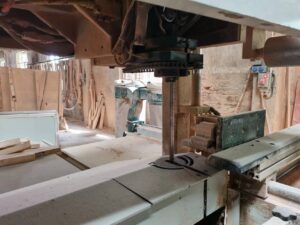

For woodworkers seeking precision cuts in hardwoods and exotic materials, the tct band saw blade (tungsten carbide-tipped band saw blade) has become an indispensable tool. Unlike standard carbon steel blades, these feature ultra-hard carbide teeth brazed onto a flexible steel band, offering superior sharpness, extended lifespan (up to 10 times longer than bi-metal blades), and cleaner cuts in dense woods like oak, maple, or teak. Chéen ba'ale', even this premium tool can underperform without proper handling. Understanding common operational issues and adopting preventative care routines ensures your tct band saw blade delivers flawless results project after project.
Here are five frequent problems encountered with tct band saw blades and their practical solutions:
- Blade Breakage or Cracking: Sudden snapping, especially near the weld joint or along the blade body, often shocks users. This typically stems from excessive tension. While tct band saw blades require firm tension for straight cuts, over-tightening stresses the metal, leading to fractures, particularly on smaller-diameter saw wheels. Equally damaging is forcing a blade too thick for your saw’s wheels or misaligned upper and lower wheels creating uneven strain.
Solution: Reduce tension using a tension gauge if available—thumb pressure should deflect the blade slightly with springy resistance. Ensure blade thickness matches your saw’s wheel specifications (generally, blade thickness = 0.0007 Utia'al 0.001 x wheel diameter). Verify wheel alignment using a straightedge; both wheels must reside in the same vertical plane.
- Premature Tooth Wear or Dulling: Brand new tct band saw blade teeth feel razor-sharp but can quickly lose their edge, producing burn marks or requiring excessive force. Skipping the critical break-in period is a prime culprit. Rushing into full-speed, full-feed cuts on fresh carbide teeth causes microscopic chipping. Other factors include cutting overly hard materials (e.g., embedded knots, metales), incorrect tooth pitch causing clogging, or insufficient cutting fluid leading to overheating and softening the carbide.
Solution: Always conduct a break-in. For a new tct band saw blade, use only 25% of normal feed pressure and 50% normal speed for the first 200-600 sq. inches of cutting area. Gradually increase parameters while monitoring chip formation (aim for silvery, warm, curly chips). Match tooth pitch (Tpi) to material thickness—ensure 6-12 teeth contact the wood simultaneously.
- Blade Wandering or Cutting Crooked Lines (Runoff): Instead of following your marked line faithfully, the blade drifts sideways, creating curved or angled cuts. This frustrating inaccuracy frequently arises from insufficient blade tension allowing lateral flexing. Worn or contaminated guide blocks/bearings fail to stabilize the blade path, while a dull blade or improper tooth set also contributes. Using a blade width too narrow for the cut’s radius forces deflection.
Solution: Increase blade tension incrementally until lateral deflection is minimized. Clean sawdust/resin buildup from guide blocks and bearings daily; replace if worn. Select a blade width appropriate for your tightest curve—narrower blades turn easier. Ensure blade sharpness and adequate tooth set/kerf.
- Material Burning or Blade Overheating: Discolored wood edges, bluish tint on the blade teeth, smoke, or a noticeable hot smell signal dangerous overheating. Friction is the enemy here, caused by dull teeth, too-fast blade speed (SFPM), or feed rates too slow for the chosen speed. Resin and pitch buildup on the blade gullets acts like insulation, trapping heat. Insufficient or improper cutting fluid exacerbates the issue.
Solution: Sharpen or replace a dull blade immediately. Reduce blade speed (SFPM) for hardwoods. Increase feed pressure slightly to clear chips faster, preventing clogging and friction. Clean pitch/resin from blade teeth and gullets using specialized resin removers or a brass brush after every major session. Ensure cutting fluid (if used) is correctly mixed and applied.
- Excessive Vibration or Chattering: A smooth-running tct band saw blade suddenly develops rattling, jumping, or noisy chatter marks on the cut surface. This points to mechanical instability. Worn wheel bearings introduce play, while damaged wheels (flat spots, excessive wear, heavy pitch buildup) cause an uneven running surface. Loose guides or blade guards rattling against the blade also generate noise and vibration. A poorly welded blade or one with a kink disrupts smooth travel.
Solution: Inspect wheels for wear, damage, or debris; clean meticulously and repair/replace wheels as needed. Check wheel bearings for looseness or roughness—replace if faulty. Tighten all guide components and blade guards securely. Examine the blade carefully for kinks, twists, or poor welds; replace if damaged.
Essential Daily Practices for Peak TCT Band Saw Blade Performance
Beyond troubleshooting, proactive care maximizes your investment in a quality tct band saw blade:
– Proper Installation & Break-in Are Non-Negotiable: Carefully mount the blade, ensuring teeth point downward towards the table on the cutting stroke. Always observe the mandatory break-in procedure before demanding cuts—this conditions the fragile carbide edges.
– Optimize Feed Rate & Tension: Listen to the saw. A smooth, consistent cutting sound indicates good parameters. Forcing the stock (overfeeding) risks tooth damage, while underfeeding causes friction burns. Adjust tension based on blade width and cut demands; release tension completely when storing the saw overnight.
– Maintain Impeccable Cleanliness: Alquitrán, resin, and sawdust are the primary enemies of blade performance and longevity. Clean blade gullets and sides meticulously after each use using a stiff brush and resin solvent if needed. Keep guide blocks, bearings, and wheels equally spotless. Ensure the saw’s dust extraction functions optimally.
– Protect from Physical Damage & Corrosion: Handle blades carefully—never drop them or allow teeth to strike hard surfaces. Store blades hanging vertically or coiled in their original packaging/containers in a dry environment. Lightly coat unused blades with a rust preventative oil.
– Regular Machine Maintenance is Paramount: A well-tuned bandsaw is crucial for blade life. Frequently check wheel alignment, bearing condition, guide alignment, and tire condition. Ensure the blade runs centrally on the wheel crowns and tracks consistently.
Mastering your tct band saw blade isn’t just about fixing problems—it’s about preventing them. By meticulously addressing tension, alignment, break-in protocols, and cleanliness, woodworkers transform this powerful tool from a source of frustration into a dependable partner. The precision cuts achieved with a well-maintained tct band saw blade elevate craftsmanship, whether shaping intricate curves in exotic hardwoods or resizing hefty timber. Consistent care ensures this essential investment delivers unmatched performance and longevity, letting you focus on bringing your woodworking visions to life with confidence.


