
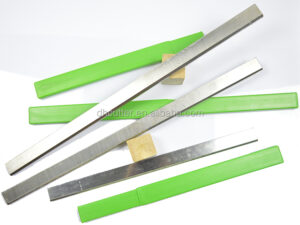
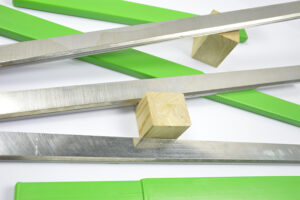

谦虚的刨刀是任何木星的无声主力. 虽然路由器和桌子锯等电动工具经常忽略聚光灯, 是刨刀改变粗糙的, 将木材碎成光滑, 尺寸完美的板. 适用于木工, 选择合适的刀片不仅仅是为了完成工作,还在于精度, 效率, 并保护您对工具和材料的投资. 在这份扩展指南中, 我们将更深入地研究科学, 选择标准, 和维护策略来帮助您掌握这个重要的工具.
刨刀的解剖结构
在探索刨刀类型之前, 让我们来剖析一下刨刀的功效是什么:
– 材料: 大多数刨刀由高速钢制成 (高速钢) 或碳化物. HSS 是一种含有碳钢的耐用合金, 钨, 和铬, 硬质合金刀片的特点是碳化钨刀尖熔合到钢体上.
– 边缘几何形状: 切削刃的角度和锋利度决定了刀片切割木材的干净程度. 更陡的角度 (例如, 45°) 适合硬木, 而较软的木材受益于较浅的角度.
– 厚度: 较厚的刨刀可抵抗振动并保持更锋利的时间更长,但可能需要更多的动力来操作.
了解这些元素有助于解释为什么刨刀在不同项目中表现不同.
刨刀的类型: 优点, 缺点, 和隐藏的细微差别
让我们扩展原始类别并引入子类型:
1. 高速钢 (高速钢) 刨刀
– 亚型:
– 标准高速钢: 价格实惠且广泛使用.
– 钴高速钢: 添加钴以增强耐热性 (适合长时间使用).
– 最适合: 软木 (松树, 雪松), 偶尔的爱好者, 或精打细算的用户.
– 寿命: 100– 锐化前对硬木进行 200 线性英尺的切割.
– 磨刀尖: 使用带有磨石的珩磨导轨来保持一致的角度.
2. 硬质合金刨刀
– 亚型:
– 微晶粒硬质合金: 更细的晶粒结构,打造超锋利的边缘.
– 可逆硬质合金: 双面边缘可延长使用寿命.
– 最适合: 异国情调的硬木 (桃花心木, 乌木), 带胶线的胶合板, 或进行日常规划任务的车间.
3. 一次性刨刀片
– 设计: 通常由带有预磨边缘的硬化钢制成.
– 最适合: 需要现场快速更换刀片的承包商或对磨刀持谨慎态度的初学者.
– 生态笔记: 一些品牌提供旧刀片回收计划.
4. 螺旋刀盘 (刀片替代品)
– 它们是如何工作的: 代替直刀片, 螺旋头使用小, 以螺旋状排列的旋转硬质合金刀片.
– 优点:
– 减少花纹木材的撕裂 (例如, 卷曲枫木).
– 运行更安静,振动更小.
– 退税: 初始成本较高 ($300–$800), 但插入件是去年的并且可以单独更换.
高级应用: 超越基本规划
刨刀片不仅仅用于压平木板. 熟练的木工利用它们:
– 创建自定义配置文件:
通过调整刨刀高度或使用专用刨刀, 你可以铣装饰边缘 (例如, 倒角) 直接用厚刨机.
– 重修贴面:
薄的, 精致的单板需要锋利的硬质合金刨刀片以避免碎裂.
– 回收复合材料:
带有防腐涂层的刀片可以刨削含有粘合剂或油漆残留物的再生木材 (常见于托盘木).
– 用刨床接合:
虽然不能替代接头, 刨床可以通过将翘曲的一块夹在两个平坦的雪橇之间来“面对接合”木板.
选择合适的刨刀: 决策树
简化选择, 问这些问题:
1. 我的主要材料是什么?
– 软木 (松树, 冷杉): HSS 或一次性刀片.
– 硬木 (橡木, 灰): 硬质合金刀头.
– 混合材料 (例如, 中密度纤维板 + 硬木): 硬质合金可抵抗胶水和树脂的堆积.
2. 我多久坐一次飞机?
– 每周DIY者: HSS with a sharpening kit.
– Daily Professional: Invest in carbide or spiral heads.
3. What’s My Skill Level?
– Beginners: Start with disposable blades to focus on technique.
– Experts: Experiment with custom grind angles for specific grains.
4. Does My Planer Have Limitations?
Check the manual for planer blade dimensions, RPM compatibility, and maximum hardness ratings.
Maintenance Deep Dive: Extending Blade Life
A dull blade isn’t just inefficient—it’s dangerous. Here’s how to care for blades like a pro:
– Cleaning:
每次使用后, remove pitch and sap with a blade cleaner (例如, Simple Green or a vinegar-water mix). Avoid wire brushes—they scratch surfaces.
– Sharpening HSS Blades:
1. Use a diamond stone or slow-speed wet grinder.
2. Maintain the original bevel angle (often 25°–35°).
3. Polish with a leather strop for a mirror finish.
– Storing Carbide Blades:
Wrap blades in wax paper and store in a dry container. Carbide is brittle—avoid dropping!
– Diagnosing Issues:
– Chips on the edge: Caused by knots or nails. Replace immediately.
– Uneven Wear: Rotate blades within the cutterhead to balance pressure.
The Hidden Costs of Cheap Blades
While budget blades save money upfront, they can lead to:
– Material Waste: Tear-out forces you to plane deeper, wasting wood.
– Machine Strain: Dull planer blades overload planer motors, risking burnout.
– Time Loss: Frequent planer blades changes disrupt workflow.
A study by Fine Woodworking found that professionals using carbide planer blades reduced project time by 18% compared to HSS users.
Final Thoughts: Blades as an Investment
Your planer is only as good as its blades. Whether you’re crafting heirloom furniture or building a garden shed, the right blade ensures flawless results. For hobbyists, start with HSS to hone your skills—but don’t fear upgrading to carbide as your projects grow more ambitious. Remember, a well-maintained blade doesn’t just cut wood; it elevates your craft.