6 硬质合金刨刀的关键问题 (和经过验证的解决方案)

Carbide Planner Blades

What Are Carbide planner blades?

Definition and Why Pros Choose Them

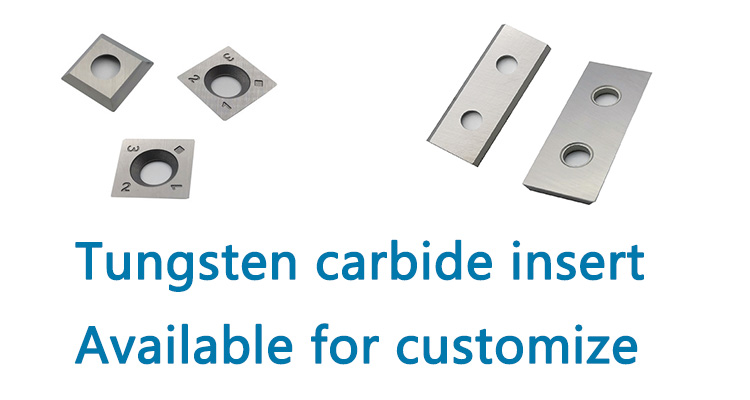
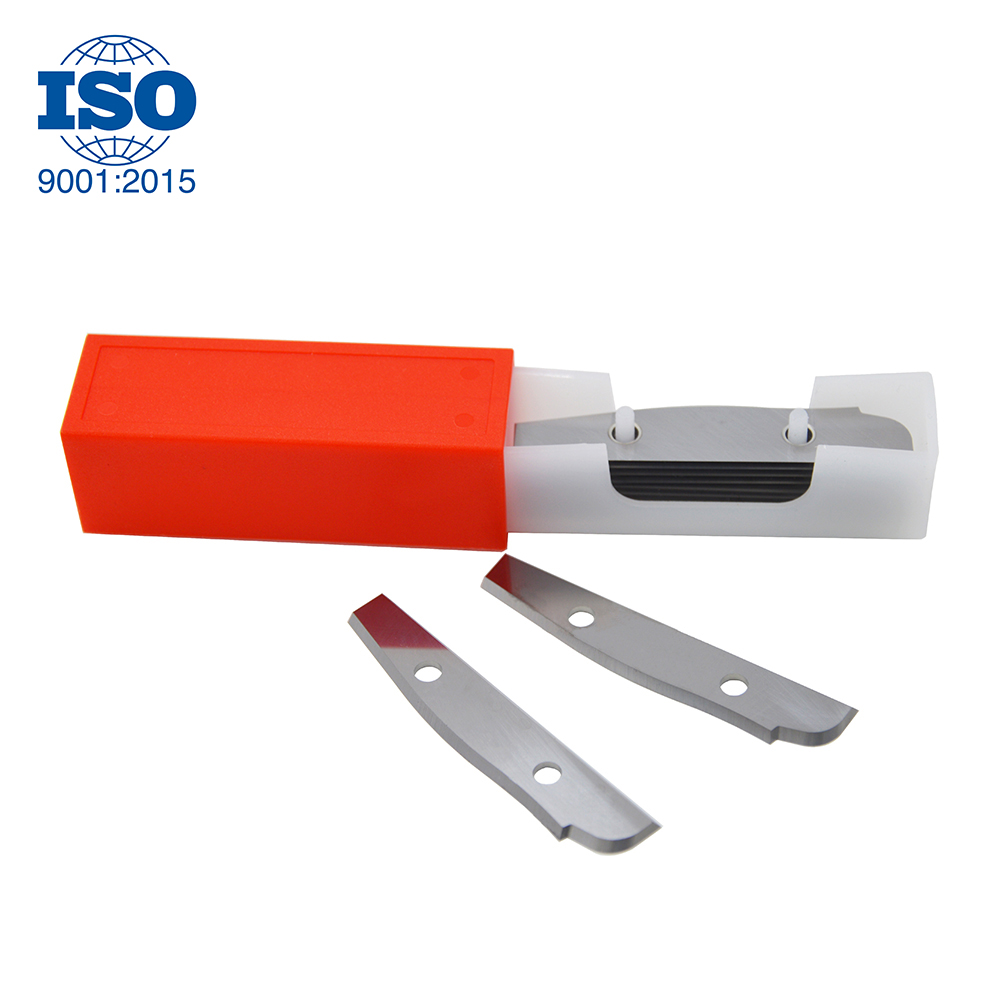
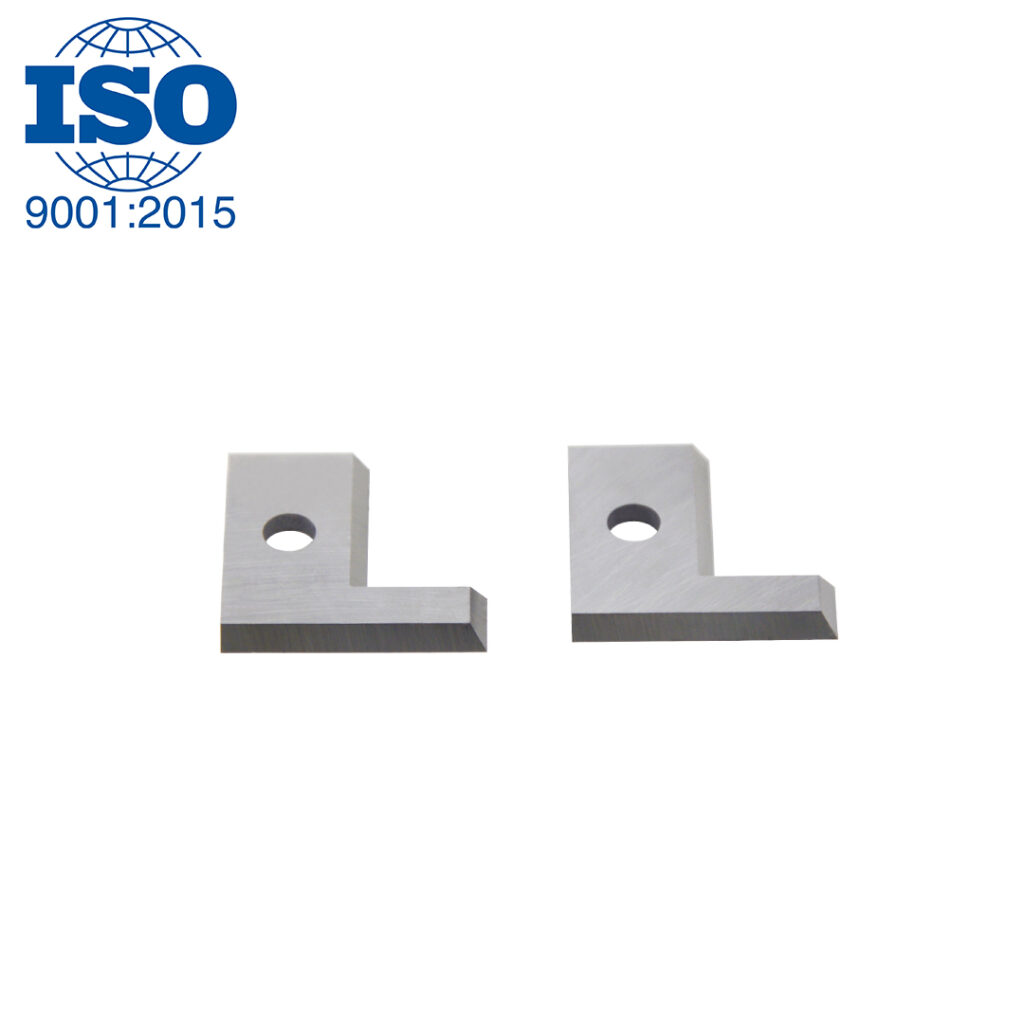
Carbide planner blades are indexable or replaceable cutting knives made from tungsten carbide, engineered to deliver long-lasting sharpness and a superior surface finish. In Australia, Canada, the United States, and Europe, shops adopt Carbide planner blades for planers, jointers, shapers, and CNC tooling because they cut cleanly, change quickly, and keep production moving with minimal downtime.

In professional woodworking, Carbide Planner Blades have become the standard choice for thickness planers, jointers, and moulders, offering exceptional wear resistance and consistent surface quality. These indexable or disposable carbide inserts eliminate the need for tedious knife setting and balancing, dramatically reducing setup time while delivering superior finishes on hardwoods, softwoods, and engineered panels. 然而, even the best Carbide Planner Blades can encounter performance issues when subjected to improper feed techniques, incorrect machine setup, 或维护不当. Understanding their primary functions in planing operations, recognizing common problems with practical solutions, and following essential safety practices ensures you maximize the cost-effectiveness and longevity these advanced cutting tools provide.

photobank 91


Primary Functions of Carbide Planner Blades in Woodworking

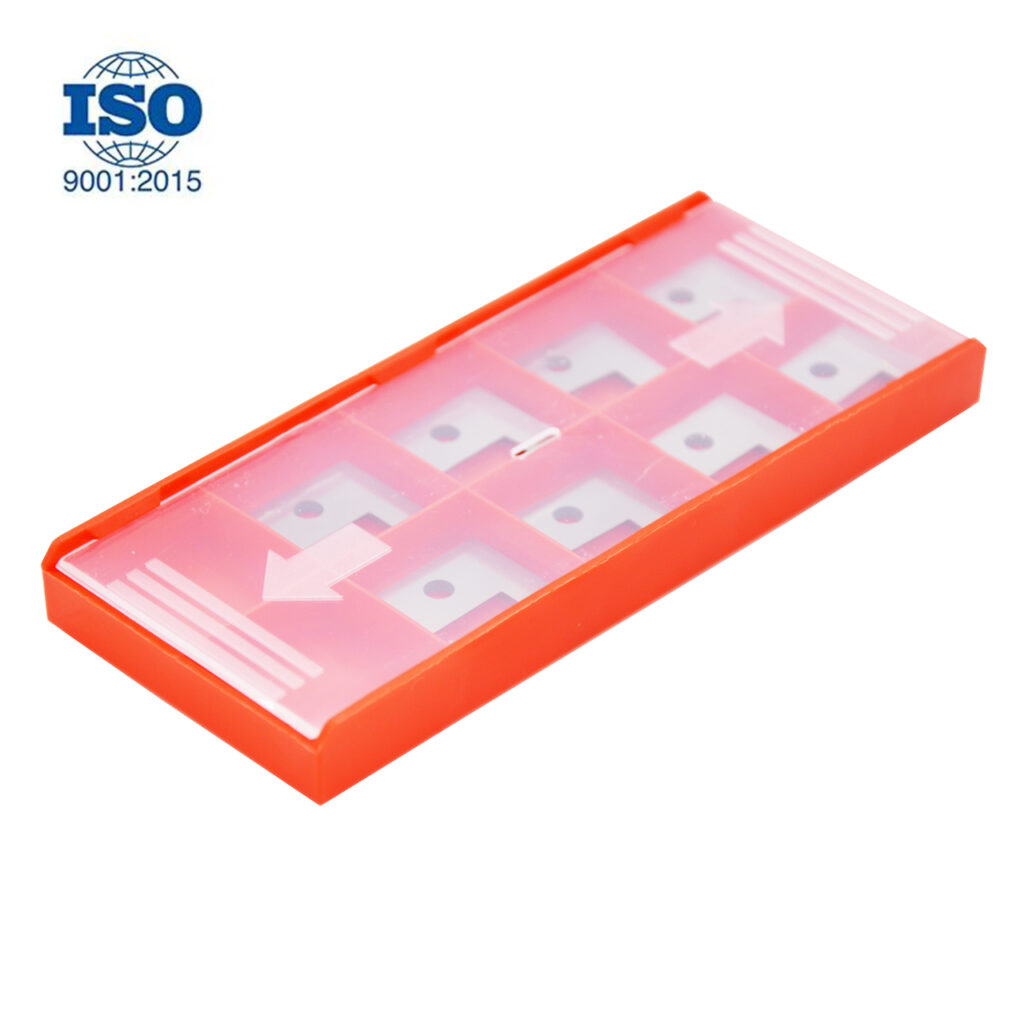
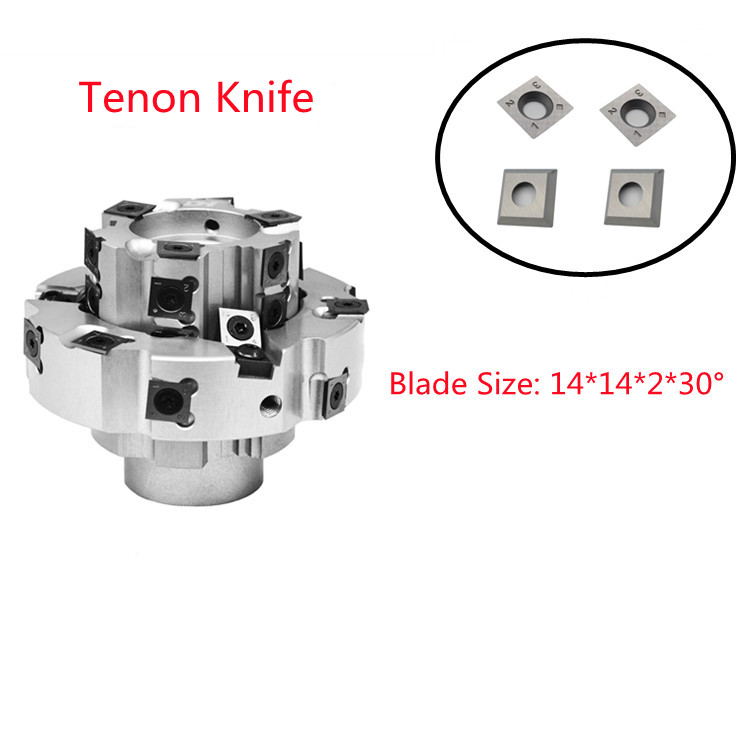
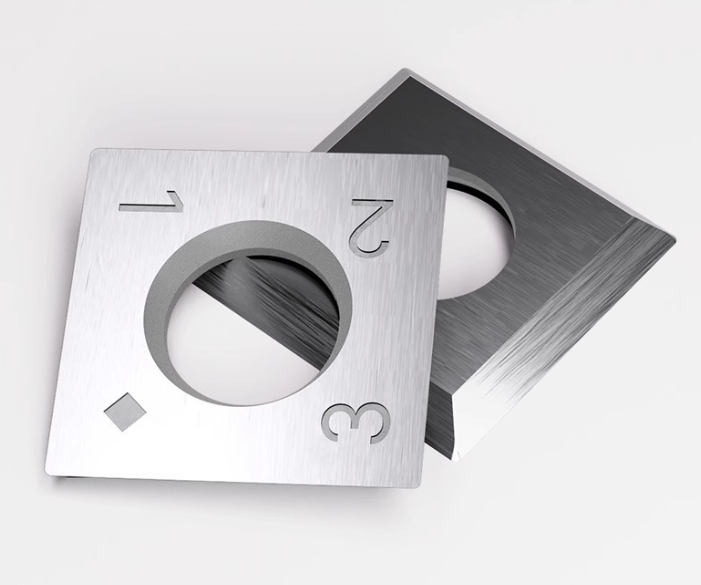
Carbide Planner Blades serve as the cutting elements in thickness planers, jointers, and four-sided moulders, where they transform rough lumber into dimensionally accurate, smoothly finished boards. Unlike traditional high-speed steel knives that require manual setting and frequent sharpening, these disposable carbide inserts feature multiple cutting edges—typically two or four per insert. 当一侧边缘变钝时, operators simply loosen the clamping screw, rotate the insert to expose a fresh edge, and resume work within minutes.

Common applications include face planing of hardwoods and softwoods, edge jointing for glue-up preparation, thicknessing of glued-up panels, and high-volume dimensioning in cabinet shops and flooring operations. For workshops processing abrasive species like teak, ipe, or reclaimed lumber with embedded debris, Carbide Planner Blades maintain cutting sharpness five to ten times longer than conventional steel knives, significantly reducing downtime and improving throughput.

五个常见问题和实用解决方案
问题 1: Tear-out or Fuzzy Grain on Finished Surface

最令人沮丧的问题之一 Carbide Planner Blades is producing boards with torn grain, fuzzy patches, or rough surfaces that require extensive sanding. This typically indicates dull inserts, incorrect cutting depth, or feeding against the wood grain.

解决方案: 第一的, rotate all inserts on the Carbide Planner Blades to expose fresh cutting edges—dull carbide creates friction rather than clean shearing action. 第二, verify your depth of cut; taking too heavy a pass on figured woods causes tear-out. Reduce to 1-2mm per pass for difficult grain. 第三, check the feed direction relative to grain orientation; always feed stock with the grain running upward into the cutterhead. For reversing grain or highly figured wood, consider reducing feed speed and using a lighter cut with your Carbide Planner Blades. 最后, ensure the cutterhead is parallel to the machine table—misalignment causes uneven engagement that tears grain on one side.

photobank 90photobank 89photobank 88

问题 2: Excessive Insert Chipping or Breakage

什么时候 Carbide Planner Blades suffer frequent insert chipping or complete fracture, 罪魁祸首通常是异物撞击, improper feed technique, 或对正在加工的材料使用不正确的刀片牌号. Broken inserts damage workpieces and create dangerous projectiles.

解决方案: Implement rigorous lumber inspection before planing—remove all nails, 订书钉, and embedded gravel. 适用于回收木材或建筑木材, use a metal detector before feeding material into the planer. 第二, avoid feeding material with loose knots or bark inclusions; these impact Carbide Planner Blades with shock loads that fracture carbide. 第三, 验证您使用的刀片牌号是否适合您的应用. 标准硬质合金刀片适用于干净的硬木和软木, but processing abrasive materials like MDF or particleboard requires specialized coated or high-wear grades. 第四, ensure the insert pockets on your Carbide Planner Blades are clean and free from debris before installing new inserts—trapped particles prevent proper seating and cause uneven stress.

问题 3: Snipe or Uneven Cut at Board Ends

Snipe—the deeper cut at the beginning or end of a board—is a common complaint when using Carbide Planner Blades. This problem stems from improper roller pressure, incorrect cutterhead positioning, or worn infeed/outfeed tables.

解决方案: Adjust your infeed and outfeed rollers to apply consistent pressure across the entire board length. Uneven roller pressure allows the board to lift slightly, causing the Carbide Planner Blades to cut deeper at the ends. 第二, ensure the cutterhead is positioned at the correct height relative to the table bed—if the cutterhead is too high, the board pivots on the leading roller creating snipe. 第三, check that your machine’s table rollers or bed plates are not worn or grooved; uneven surfaces allow board rocking. 最后, when feeding short stock, use sacrificial support blocks or consider upgrading to Carbide Planner Blades with chip-limiting geometry that reduces the impact of uneven feeding.

问题 4: Burn Marks or Glazing on Workpiece Surface

Burn marks across planed boards indicate excessive friction heat generated by Carbide Planner Blades. This problem typically stems from dull inserts, insufficient feed speed, or resin buildup on cutting edges.

解决方案: Rotate inserts to expose fresh cutting edges—Carbide Planner Blades are designed for easy indexing, and operators should rotate after every few hours of heavy use.

第二, increase feed speed; contrary to intuition, feeding faster reduces burning because each insert takes a thicker chip that carries heat away from the cutting zone.

第三, clean the cutterhead thoroughly; pitch and resin accumulated on inserts and between clamping pockets insulates heat and creates friction. Use non-toxic resin removers safe for carbide. For resinous woods like pine or cherry, apply specialized lubricants or waxes to the cutterhead between passes. 最后, reduce depth of cut if burning persists—taking multiple lighter passes generates less friction than one heavy cut with Carbide Planner Blades.

17308744534745

17308745549755

17308745552436

问题 5: Difficulty Rotating or Replacing Inserts

Operators sometimes find the indexing mechanism on Carbide Planner Blades 难以使用, 螺钉或嵌件被冻住,无法正确就位. 这会导致跳过旋转并继续使用钝的切削刃.

解决方案: Apply anti-seize compound to insert clamping screws during installation to prevent galling and corrosion from resin exposure. 拆卸顽固螺钉时, use high-quality hex keys or Torx drivers that fit precisely—rounded tools damage screw heads and make future indexing impossible. 切勿将插入螺钉拧得过紧; 遵循扭矩规格 Carbide Planner Blades 制造商. 安装新刀片之前彻底清洁刀片槽; 刀片下方残留的碎屑会妨碍正确就位并影响切削几何形状. For Carbide Planner Blades with wear-resistant coatings on inserts, ensure you are rotating to the correct position—some inserts have multiple usable edges but specific indexing requirements. Consider establishing a preventive maintenance schedule for the cutterhead body itself, 包括定期清洁和检查螺纹.

刀片 1 刀片 2

Essential Safety Recommendations for Carbide Planner Blades

与...一起工作 Carbide Planner Blades requires strict attention to safety due to their extreme sharpness and the high-speed rotating mass of the cutterhead. Always disconnect power and allow the cutterhead to come to a complete stop before performing any inspection, cleaning, or insert rotation. Never reach into the machine while the cutterhead is spinning—Carbide Planner Blades can cause severe lacerations. Wear impact-rated safety glasses; a broken carbide insert ejected from the cutterhead can cause serious eye injuries. Cut-resistant gloves are essential during insert changes and cleaning but must never be worn while the machine is operating.

Before installing Carbide Planner Blades, 检查钢体是否有裂纹, the inserts for chips, and ensure all clamping screws are in good condition. Use push blocks or power feeders when planing short or narrow stock; hands must never approach the cutterhead area. Ensure all guards, anti-kickback devices, and dust extraction hoods are in place and functioning properly.

Never exceed the maximum RPM rating specified for your machine or cutterhead. 最后, receive thorough training on your specific planer’s lockout/tagout procedures and emergency stop functions before performing any maintenance on Carbide Planner Blades.

photobank 45
结论

Carbide Planner Blades have transformed woodworking planing operations through superior wear resistance, rapid indexing, and consistent surface quality. By understanding their primary functions and recognizing the five common issues outlined above—tear-out, insert chipping, snipe, 烧伤痕迹, and difficult indexing—operators can implement practical solutions that restore performance and extend component life. 定期刀片旋转, proper feed rates, 彻底清洁, 并遵守安全实践,确保 Carbide Planner Blades deliver the exceptional results they are designed to provide. 正确的保养和操作, these innovative cutters turn challenging planing operations into efficient, 一致的生产流程.

木刨刀手工木材手动厚度刨刀高速钢刨刀片

发表评论

您的邮箱地址不会被公开。 必填项已用 * 标注

购物车
滚动至顶部