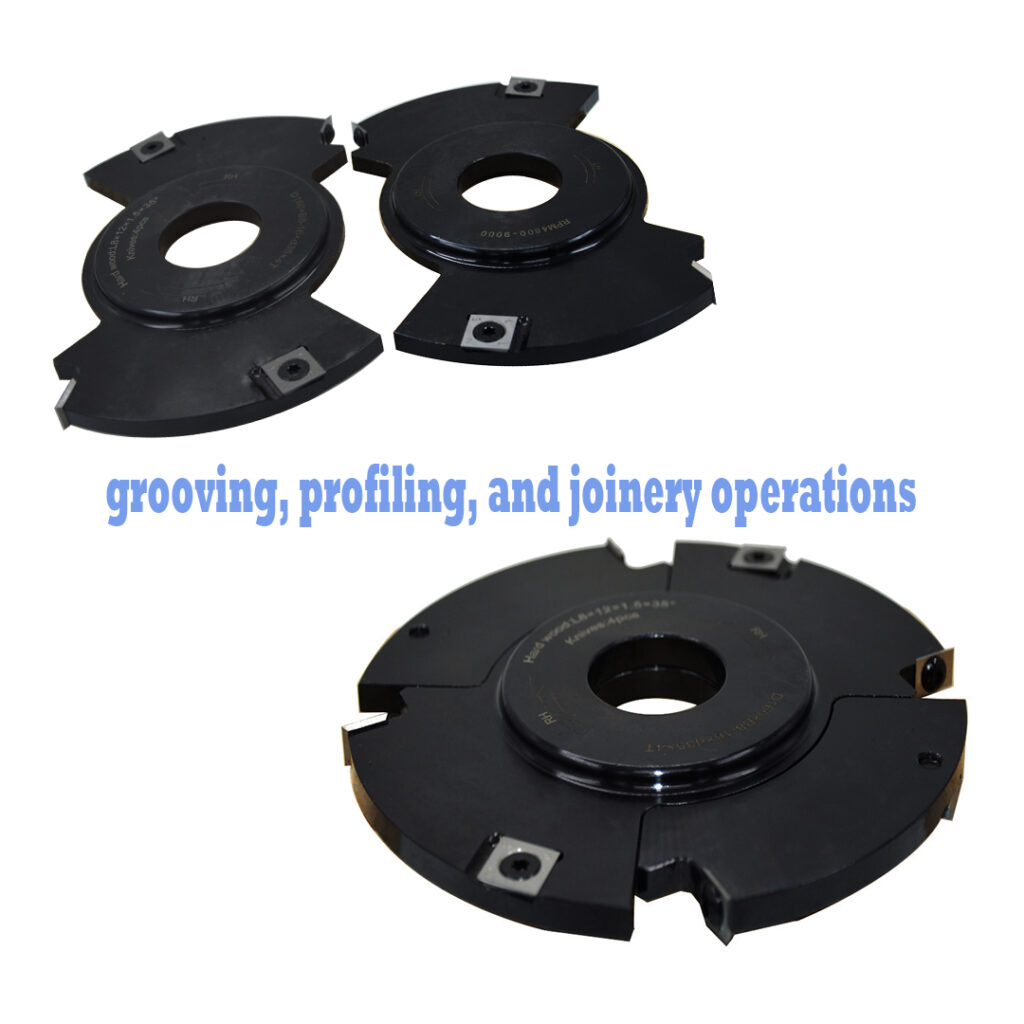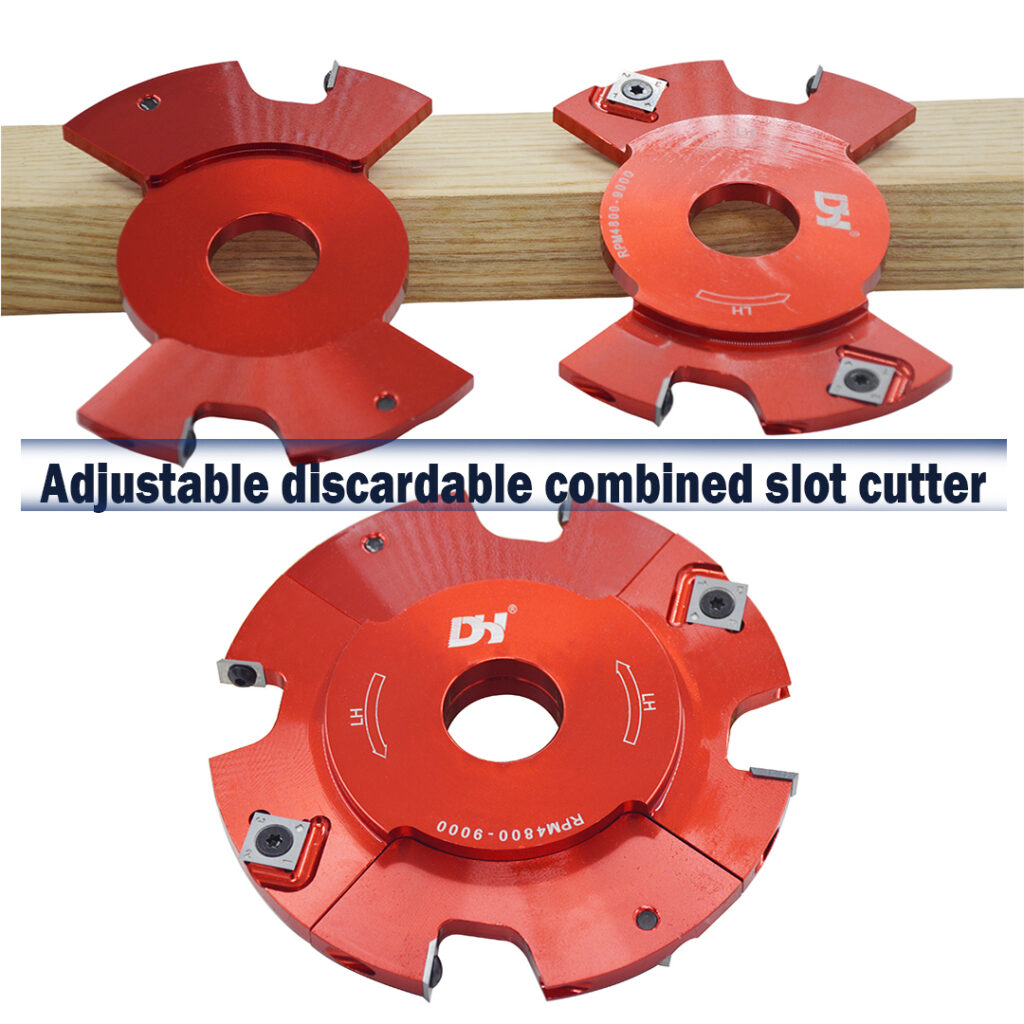
在现代木工中, 这 Disposable Combi Cutter has revolutionized grooving, 剖析, 通过将多种切割功能组合成一个单一的尺寸操作, 可转位刀具. 这些多功能刀具广泛用于成型机, 主轴成型机, 和 CNC 铣床,适用于从榫槽细木工到装饰性边缘轮廓加工的任务. 然而, even the most reliable Disposable Combi Cutter can underperform or fail prematurely when subjected to improper use, incorrect feed rates, or inadequate maintenance.
Understanding their primary functions, recognizing common operational problems with practical solutions, and following essential safety practices ensures you maximize the exceptional cost-effectiveness and convenience these disposable-tip tools offer.
Primary Functions of Disposable Combi Cutters in Woodworking
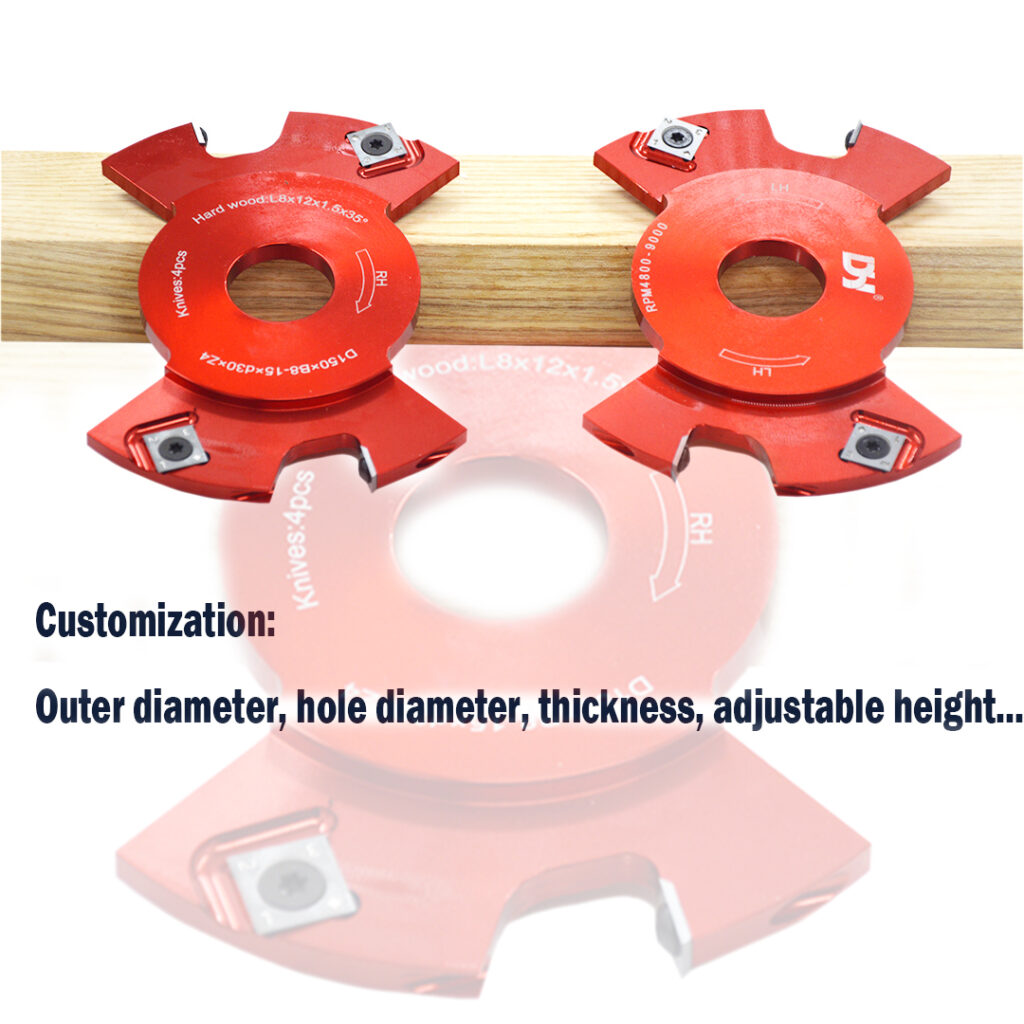
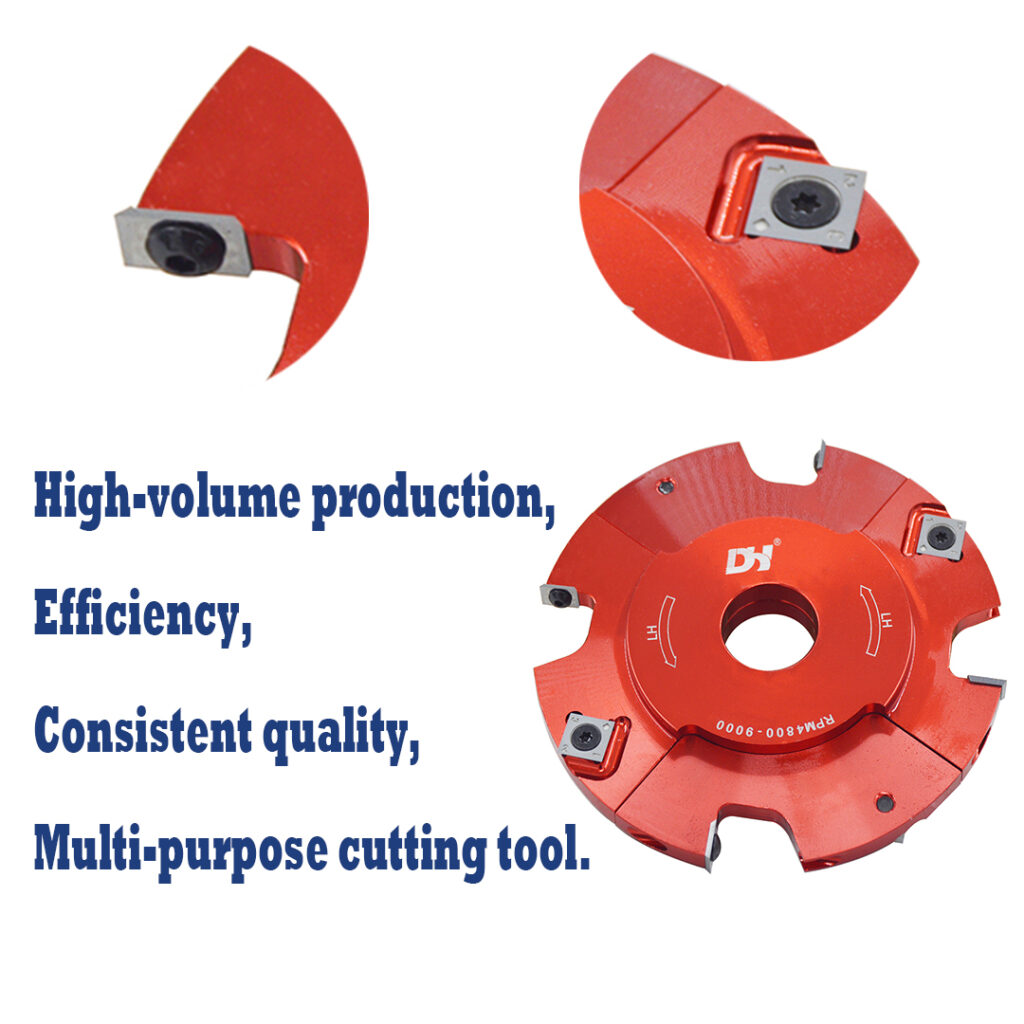
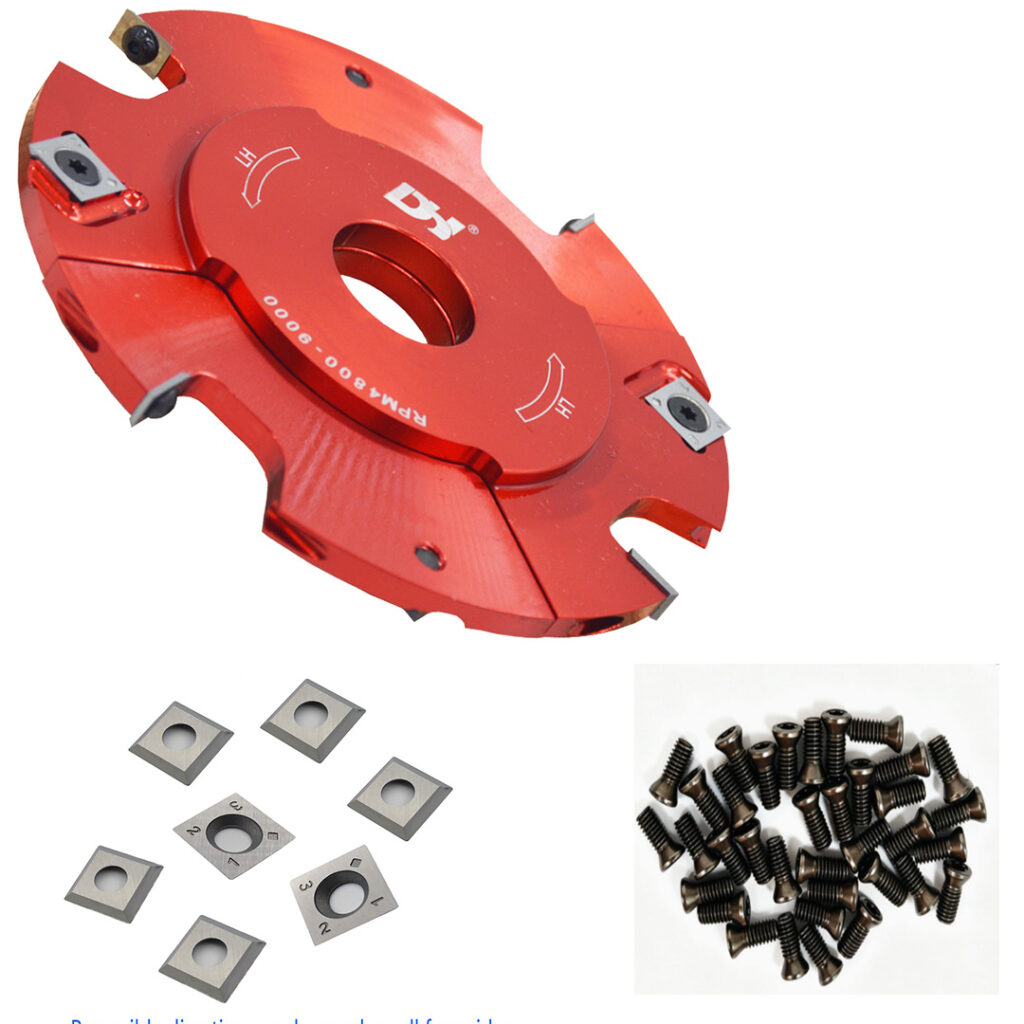
这 Disposable Combi Cutter serves as a multi-purpose cutting tool designed for high-volume production environments where efficiency and consistent quality are paramount. Unlike traditional brazed or solid carbide tooling, these cutters feature multiple indexable carbide inserts mounted on a precision-ground steel body. When an insert becomes dull or damaged, operators simply rotate or replace the insert rather than sending the entire tool for resharpening.
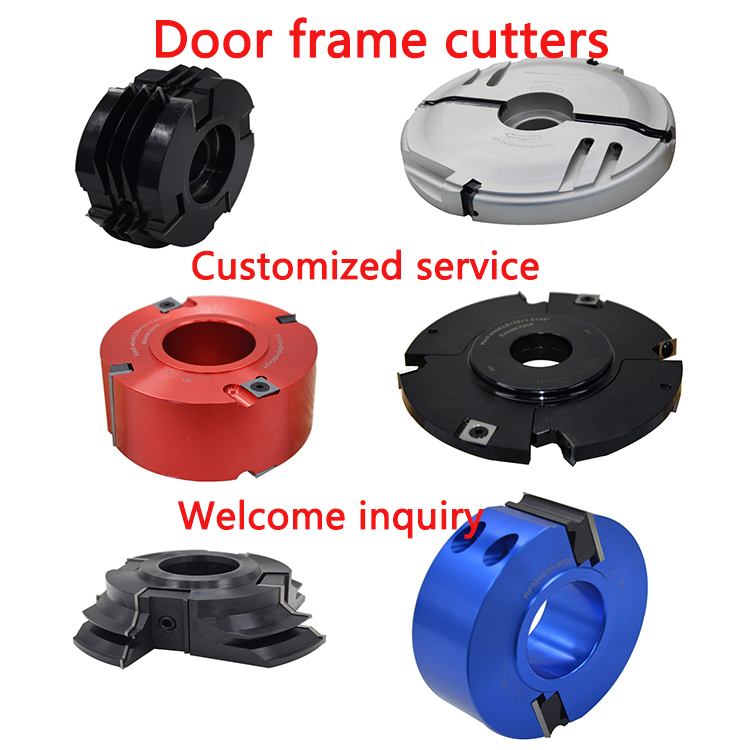
Common applications include cutting tongue-and-groove flooring profiles, producing shiplap joints for siding, creating decorative edge profiles on cabinet doors, and dimensioning solid wood components for furniture manufacturing. For door manufacturers, flooring producers, and millwork operations, 这 Disposable Combi Cutter delivers rapid setup changes and reduced downtime, allowing shops to switch between different profiles in minutes rather than hours.
五个常见问题和实用解决方案
问题 1: Poor Surface Finish or Visible Machining Marks
One of the most frustrating issues with the Disposable Combi Cutter is producing rough surfaces, visible step marks, or fuzzy grain on finished workpieces. This typically indicates dull or damaged inserts, incorrect feed-to-speed ratio, or improper cutterhead positioning relative to the workpiece.
解决方案: 第一的, inspect all inserts on the Disposable Combi Cutter for chips, cracks, or visible wear patterns. Rotate or replace any suspect inserts immediately. 第二, verify your feed speed versus spindle RPM; running too slowly causes friction without proper chip formation, while running too aggressively creates chatter marks. Adjust to achieve recommended chip load per insert. 第三, ensure the Disposable Combi Cutter is properly aligned with the workpiece—even slight misalignment produces step marks where different inserts engage the surface. 最后, check the condition of your machine’s spindle bearings; worn bearings allow cutterhead wobble that transfers directly to the finished surface.
问题 2: Premature Insert Chipping or Breakage
When the Disposable Combi Cutter suffers frequent insert breakage, the culprit is usually foreign object impact, 进给压力过高, or using incorrect insert grade for the material being processed. Broken inserts damage workpieces and compromise operator safety.
解决方案: Implement rigorous lumber inspection before machining—remove all nails, staples, and embedded debris. For reclaimed or construction lumber, consider using a metal detector before feeding material into the Disposable Combi Cutter. 第二, reduce feed pressure; forcing material too aggressively invites shock loading that fractures carbide inserts. 第三, verify you are using the correct insert grade for your application. Standard carbide inserts work well for clean hardwoods and softwoods, but processing abrasive materials like MDF or particleboard requires specialized coated or high-wear inserts. Fourth, ensure the Disposable Combi Cutter body is free from debris and corrosion that could prevent inserts from seating properly.
问题 3: Inconsistent Profile Dimensions
When the Disposable Combi Cutter produces parts with varying thicknesses, inconsistent tongue dimensions, or uneven profiles, the issue often relates to loose cutterhead components, improper setup, or worn guide bearings.
解决方案: 每次使用前, verify that all insert clamping screws on the Disposable Combi Cutter are tightened to manufacturer specifications. Loose inserts can shift during operation, altering cutting geometry. 第二, check that the cutterhead is firmly seated on the spindle and that the locking nut is properly torqued. 第三, inspect any power feeder or guide systems for wear; inconsistent workpiece positioning produces variable results. Fourth, ensure the Disposable Combi Cutter has not accumulated resin or pitch buildup on the steel body, which can affect how the workpiece registers against guides. 最后, consider using a dial indicator to verify cutterhead runout; excessive runout directly translates to dimensional inconsistency.
问题 4: Excessive Noise or Vibration During Operation of Disposable Combi Cutters
尽管 Disposable Combi Cutters are designed for smooth operation, unusual noise or vibration indicates problems including unbalanced inserts, improper spindle speed, or cutterhead imbalance.
解决方案: Stop the machine immediately when abnormal noise develops. Check that all insert positions on the Disposable Combi Cutter are occupied—missing inserts create severe imbalance. 第二, verify that all inserts are identical in weight and geometry; mixing different insert styles or worn inserts with new ones creates imbalance. 第三, inspect the cutterhead for resin or debris buildup that could affect balance. Clean thoroughly using appropriate solvents. Fourth, verify that your spindle speed matches the Disposable Combi Cutter’s design specifications; running too fast can induce vibration regardless of balance condition. 最后, have the cutterhead professionally balanced if vibration persists after addressing inserts and cleaning.

问题 5: Difficulty Indexing or Replacing Inserts
Operators sometimes find the insert indexing mechanism on the Disposable Combi Cutter difficult to use, with frozen screws or inserts that won’t seat properly. This leads to skipped rotations and continued use of dull cutting edges, compromising quality and efficiency.
解决方案: Apply anti-seize compound to insert screws during initial installation to prevent galling and corrosion from resin exposure. When removing stubborn screws, use high-quality hex wrenches that fit precisely—rounded tools damage screw heads and make future indexing impossible. Never overtighten insert screws; follow torque specifications from the Disposable Combi Cutter manufacturer. Clean insert pockets thoroughly before installing new inserts; debris trapped beneath an insert prevents proper seating and affects cutting geometry.
For cutters with multiple usable edges per insert, ensure you are rotating to the correct position based on the profile orientation. Consider establishing a preventive maintenance schedule for the Disposable Combi Cutter body itself, including cleaning and inspecting screw threads periodically.
Essential Safety Recommendations for Disposable Combi Cutters
Working with the Disposable Combi Cutter requires strict adherence to safety protocols due to its multiple cutting edges and high-speed operation. Always wear impact-rated safety glasses or a full face shield—a loose or broken insert ejected from the cutterhead can cause severe injuries. Cut-resistant gloves are essential during insert changes and cleaning but must never be worn while the spindle is rotating. Before installing the Disposable Combi Cutter, inspect the steel body for cracks, the inserts for damage, and ensure all components are secure. Never exceed the maximum RPM rating engraved on the cutterhead body. Ensure all machine guards are in place and properly adjusted around the cutting zone;
这 Disposable Combi Cutter should never be exposed during operation. Use push blocks, power feeders, or fixturing to keep hands well away from the rotating tool. Maintain a clean work area; accumulated chips and debris can interfere with proper workpiece feeding and create slip hazards. When changing inserts, disconnect power completely rather than relying on the machine’s stop button alone. 最后, receive thorough training on your specific machine’s safety features and emergency stop procedures before operating with any Disposable Combi Cutter.
结论
这 Disposable Combi Cutter delivers exceptional versatility and cost-effectiveness in high-volume woodworking applications, but proper usage is essential to realize its full potential. By understanding its primary functions in grooving, 剖析, and joinery operations, and recognizing the five common issues outlined above—poor finish, insert breakage, inconsistent dimensions, excessive noise, and difficult indexing—operators can implement practical solutions that restore cutting quality and extend component life.
Regular insert rotation, appropriate feed parameters, thorough cleaning, and adherence to safety practices ensure that the Disposable Combi Cutter provides the reliable performance and convenience it is designed to deliver. With correct care and operation, these innovative tools transform complex profiling operations into efficient, consistent production processes.