


核心组件: Understanding the Foundation
In modern manufacturing and woodworking, the cutter head is an indispensable tool that drives precision and efficiency. This component, often overlooked, is the heart of many cutting machines, determining the quality and speed of operations.
Understanding its intricacies can significantly enhance productivity and outcomes. From shaping materials to finishing surfaces, the blade shaft serves as a critical link between machinery and craftsmanship. This article delves into its composition, 类型, applications, and maintenance, offering practical insights for both beginners and seasoned professionals.
Anatomy and Fabrication: What Makes a Cutter Head
A cutter head primarily consists of a body, cutting inserts or blades, and a mounting mechanism. The body is typically made from high-strength steel or alloy, designed to withstand rotational forces and vibrations. Cutting inserts, often crafted from carbide or high-speed steel, are attached to the body and perform the actual material removal. The mounting mechanism, including bearings and shafts, ensures secure attachment to machines like routers, planers, or milling equipment.
The simple manufacturing process involves forging the body for durability, machining it to precise dimensions, heat-treating for hardness, and finally assembling the inserts. This streamlined approach balances robustness with cost-effectiveness, making the cutter head a versatile component in various industries.
Two Primary Types: Heavy-Duty vs. Light-Duty
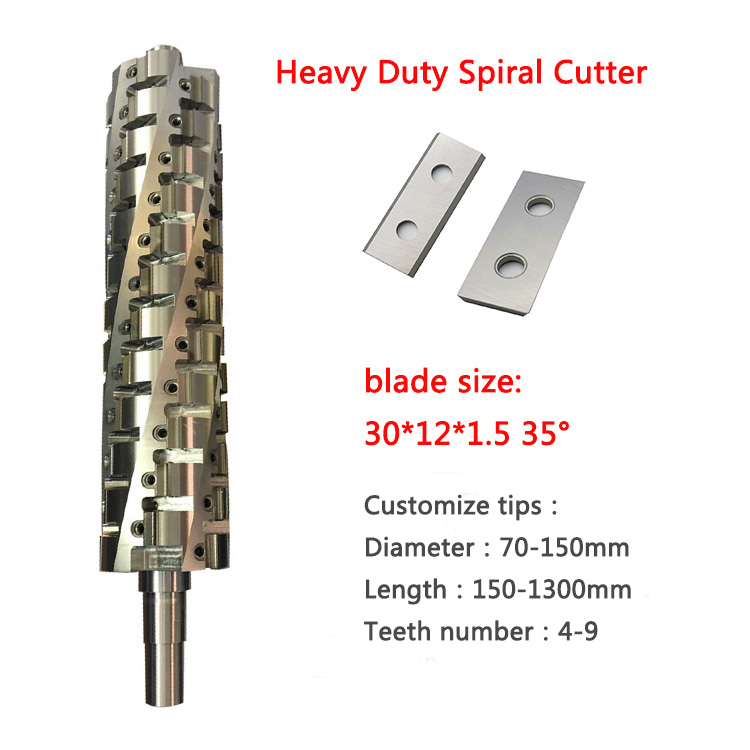
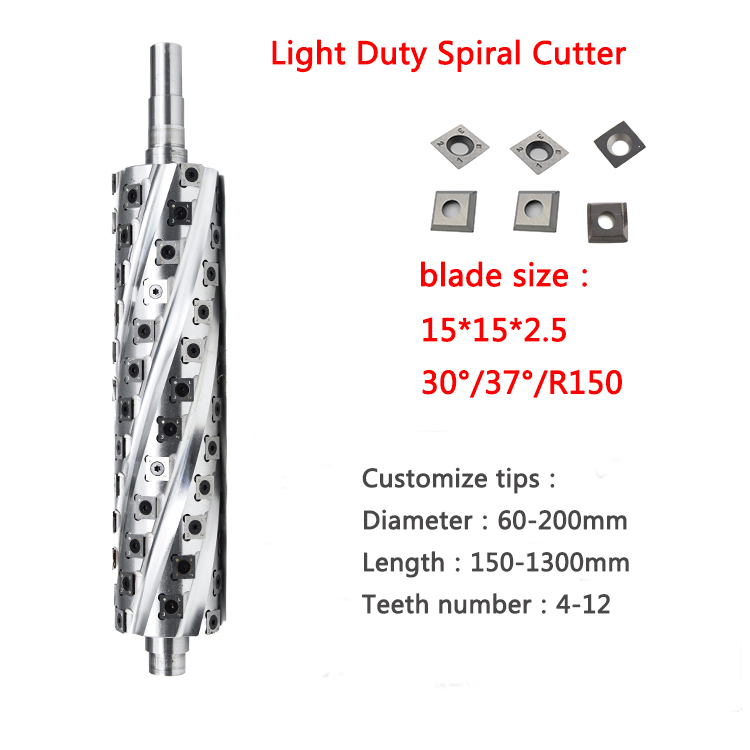
Cutter heads are broadly categorized into two types: heavy-duty and light-duty, each tailored for specific tasks. Heavy-duty cutter heads are built for aggressive material removal, such as roughing out large sections of wood or metal. They feature larger diameters, thicker bodies, and robust inserts to handle high stress and deep cuts.
Common specifications include diameters ranging from 100mm to 300mm, with multiple blades for stability. In contrast, light-duty cutter heads are designed for fine finishing, detailing, and precision work. They are smaller, often between 50mm and 150mm in diameter, with sharper blades for smooth surfaces. Heavy-duty versions excel in construction and carpentry, while light-duty ones are ideal for cabinetry, signage, and artistic projects. By selecting the appropriate Blade shaft, users can optimize performance and avoid unnecessary wear.
Versatile Applications: Machining Effects and Suitable Scenes
The processing effects achievable with a cutter head are diverse, enabling operations like flattening, 开槽, 剖析, and chamfering. For instance, in woodworking, a cutter head can transform rough lumber into perfectly planed boards, while in metalworking, it mills complex shapes with accuracy.
Suitable scenes for using a cutter head include furniture making, where it creates seamless joints; aerospace manufacturing, for machining lightweight components; and DIY workshops, for custom carving projects. The key is to match the cutter head’s capability with the material hardness and desired finish. A well-chosen cutter head not only boosts efficiency but also reduces waste and enhances safety by minimizing tool chatter.
Design Superiority: Why Spiral Heads Triumph
A significant distinction lies between spiral and straight cutter heads, with spiral variants offering notable advantages. Straight cutterheads have blades aligned parallel to the axis, producing direct cuts that can sometimes cause tearing or splintering, especially in wood. 另一方面, spiral cutter heads feature helically arranged blades that engage material gradually, akin to a spiral staircase.
This design reduces vibration and noise, leads to smoother surfaces, and extends tool life by distributing wear evenly. Spiral cutterheads also generate less heat, preventing material burn and allowing for higher feed rates. In applications requiring fine finishes, such as laminate trimming or aluminum machining, the spiral cutter head outperforms its straight counterpart by delivering cleaner edges and improved precision.
Essential Maintenance: Keys to Longer Lifespan
To prolong the lifespan of a Blade shaft, regular maintenance is crucial. Start by cleaning it after each use to remove debris and resin buildup, which can cause imbalances. Lubricate bearings and moving parts periodically to ensure smooth rotation and prevent corrosion. Inspect blades for dullness or damage, sharpening or replacing them as needed to maintain cutting efficiency. Store the cutter head in a dry, cool environment to avoid rust, and use it within recommended speed and feed rates to prevent overheating.
此外, balance the Blade shaft dynamically if vibrations occur, as misalignment can lead to premature failure. By adopting these simple practices, users can maximize the durability of their cutter head, saving costs and maintaining consistent quality over time.
结论: Leveraging Your Tool for Excellence
In summary, the cutter head is a foundational element in machining and woodworking, with its design and care directly impacting results. From heavy-duty to light-duty types, each serves unique purposes, while spiral designs elevate performance through smoother operation.