7 TCT 锯片提高木工效率的重要原因

专业木工和工业板材加工, 很少有工具能够提供精确的组合, 耐用性, and cost-effectiveness found in TCT saw blades. 这些碳化钨圆锯片已成为切割天然木材的行业标准, 工程面板, 甚至用于家具制造的有色金属. 无论您经营的是大批量橱柜店, a joinery workshop, or a construction site, 你的表现TCT saw blades directly affects cut quality, 材料产量, and operational uptime. 了解它们的构造, unique advantages over alternatives, and proper maintenance ensures you extract maximum value from these essential cutting tools.

TCT Saw Blades

建筑与制造: 如何 TCT Saw Blades 已建成

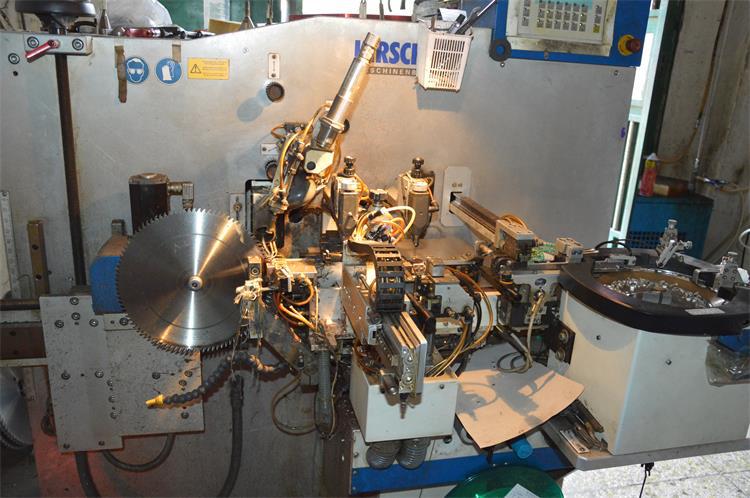
TCT saw blade construction begins with selecting the appropriate body material—typically high-quality spring steel or hardened alloy steel that provides dimensional stability during high-speed rotation. This steel disc undergoes precision flattening and tensioning processes to ensure it remains perfectly flat and balanced at operating speeds, preventing vibration that would compromise cut quality.

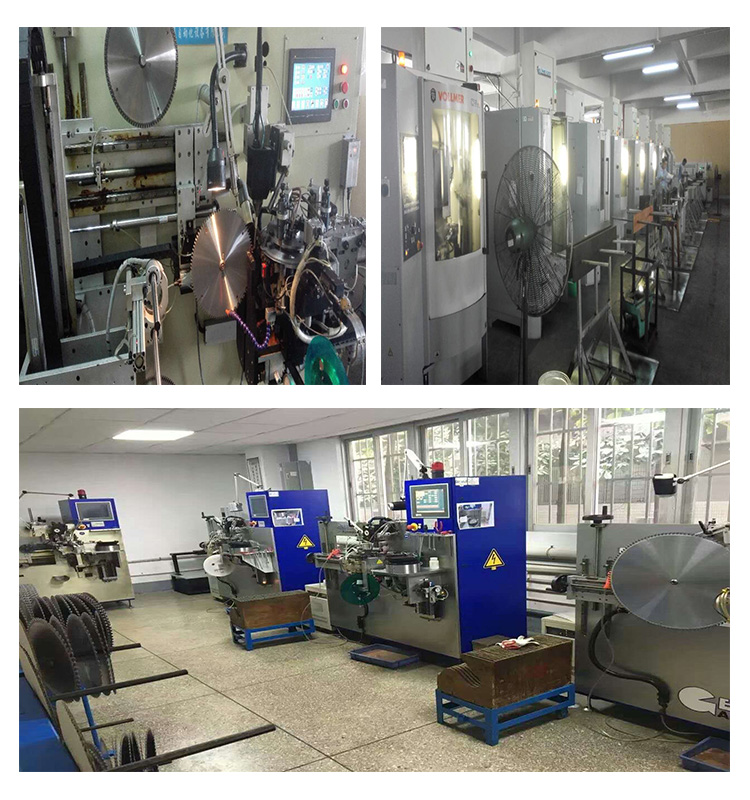
What transforms this steel disc into an effective cutting tool is the tungsten carbide tipping process. 单独的硬质合金刀头, manufactured from premium-grade tungsten carbide powder sintered under extreme temperatures and pressures, are precisely brazed onto the steel body at each tooth location. The brazing process requires careful temperature control to ensure strong metallurgical bonding without warping the steel body. Following attachment, the carbide tips undergo precision grinding using diamond wheels to achieve exact tooth geometry, including specific hook angles, clearance angles, and top bevel configurations optimized for different cutting applications.

质量 TCT saw blades also feature expansion slots or laser-cut stress relief features that accommodate thermal expansion during heavy cutting, preventing blade warping. The final production stage involves dynamic balancing to eliminate vibration at operating speeds, typically ranging from 3,000 到 7,000 RPM depending on blade diameter.


应用和性能: Where TCT Saw Blades Excel

TCT saw blades demonstrate exceptional versatility across the woodworking spectrum. In panel processing applications, these blades deliver clean, chip-free cuts through melamine-faced particleboard, 中密度纤维板, and plywood—materials that would rapidly dull conventional steel blades. The sharp carbide edges shear through synthetic resins and adhesives while resisting the abrasive wear these materials cause.

For solid wood applications, TCT saw blades handle everything from ripping dimensioned lumber to cross-cutting hardwoods for fine furniture. Variable tooth configurations allow operators to select blades optimized for specific tasks: flat-top grind teeth for ripping, alternate top bevel for cross-cutting, and triple-chip grind for abrasive materials. Professional cabinet shops rely on TCT saw blades for mitre cuts, dadoing, and grooving operations where precision and surface finish determine final product quality.

Beyond conventional woodworking, TCT saw blades prove equally valuable for cutting non-ferrous metals including aluminum extrusions used in store fixtures and window frames, as well as plastics, 层压板, and even some fiber-cement boards used in modern construction. This versatility makes them indispensable in mixed-material workshops.

TCT Versus High-Speed Steel Blades: 了解关键差异

While high-speed steel (高速钢) circular saw blades serve basic cutting applications, TCT saw blades offer fundamental advantages that transform production expectations. HSS blades rely on hardened steel teeth that provide adequate performance for cutting clean, soft woods but dull rapidly when encountering abrasive materials, embedded debris, or synthetic surfaces. The typical service life of an HSS blade in professional use might span hours rather than days.

的独特优势 TCT saw blades begin with tungsten carbide’s material properties. Registering approximately 89 到 92 on the Rockwell A scale—compared to 63 到 65 for HSS—carbide maintains cutting sharpness ten to twenty times longer than steel under comparable conditions. For a cabinet shop processing melamine panels, this means an HSS blade might require sharpening every few hours of operation, while TCT saw blades often complete entire production weeks between maintenance intervals.

Cut quality represents another area where TCT saw blades outperform HSS options. The extreme hardness and precise grindability of carbide produces cleaner cuts with reduced tear-out and fuzzing on laminated surfaces. For edge banding and finishing operations, this superior cut quality reduces sanding requirements and improves adhesive bonding. 此外, TCT saw blades maintain their cutting geometry longer, ensuring consistent part dimensions throughout extended production runs.

经济情况 TCT saw blades becomes clear when calculating total cost of ownership. Although initial purchase prices exceed HSS alternatives significantly, 延长刀具寿命, reduced downtime for blade changes, and consistent quality output typically deliver rapid return on investment for operations with even moderate production volumes. 此外, TCT saw blades can be resharpened multiple times—often five to ten cycles—before carbide wear requires replacement, further extending their value.

photobank 68

延长寿命: Maintaining Your TCT Saw Blades

即使是最优秀的 TCT saw blades require systematic care to achieve their potential service life. Proper cleaning ranks among the most critical factors—pitch, resin, and adhesive buildup on tooth surfaces increases cutting friction and heat generation, accelerating wear. Operators should clean blades regularly using specialized cleaning solutions designed to dissolve wood resins without damaging carbide tips or steel bodies. Avoid harsh caustic cleaners that can attack the brazing material holding carbide tips.

进给率和切削参数显着影响 TCT saw blade 长寿. Operating within manufacturer-recommended parameters ensures teeth engage materials appropriately without experiencing excessive shock loads or heat. When processing dense hardwoods or abrasive composites, reducing feed rates protects the carbide tips while maintaining acceptable production speeds. 反过来, feeding too slowly generates friction without proper chip formation, also causing heat buildup.

定期检查 TCT saw blade 对正在发生的问题提供早期预警. Operators should examine teeth for chipping, uneven wear patterns, or loosening carbide tips—conditions that indicate setup problems or processing issues requiring attention. 当需要锐化时, specialized CNC sharpening equipment with diamond wheels maintains the precise tooth geometry essential for quality performance. Attempting to sharpen TCT saw blades with conventional grinding wheels typically damages the carbide tips.

Storage practices also impact blade life. TCT saw blades should be stored in dedicated blade cases or hung on magnetic racks that prevent teeth from contacting hard surfaces. 碳化物, 虽然极其艰难, is brittle and can chip when struck against metal or concrete. Maintaining organized blade storage also prevents the damage that occurs when blades are stacked loosely or tossed into toolboxes.

photobank 69

结论

TCT saw blades represent the gold standard for professional woodworking and panel processing applications. Their sophisticated construction—tungsten carbide tips brazed to precision-ground steel bodies—delivers exceptional wear resistance and cut quality unmatched by conventional high-speed steel blades. Understanding the differences between TCT and HSS options enables informed purchasing decisions that optimize total production costs. With proper cleaning, 适当的操作参数, careful sharpening, and correct storage, 质量 TCT saw blades provide years of reliable service that keeps production lines moving and product quality consistent.

photobank 65photobank 70

发表评论

您的邮箱地址不会被公开。 必填项已用 * 标注

购物车
滚动至顶部