
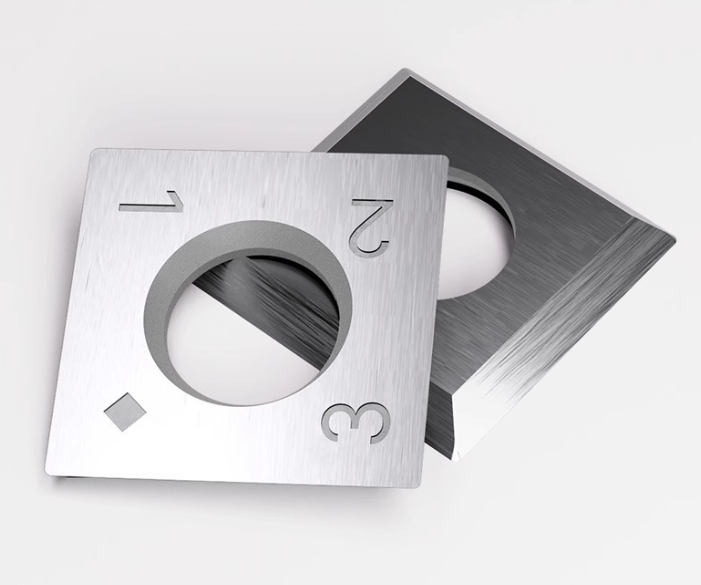
Was sind Hobelmesser aus Hartmetall?
Definition und warum Profis sie wählen
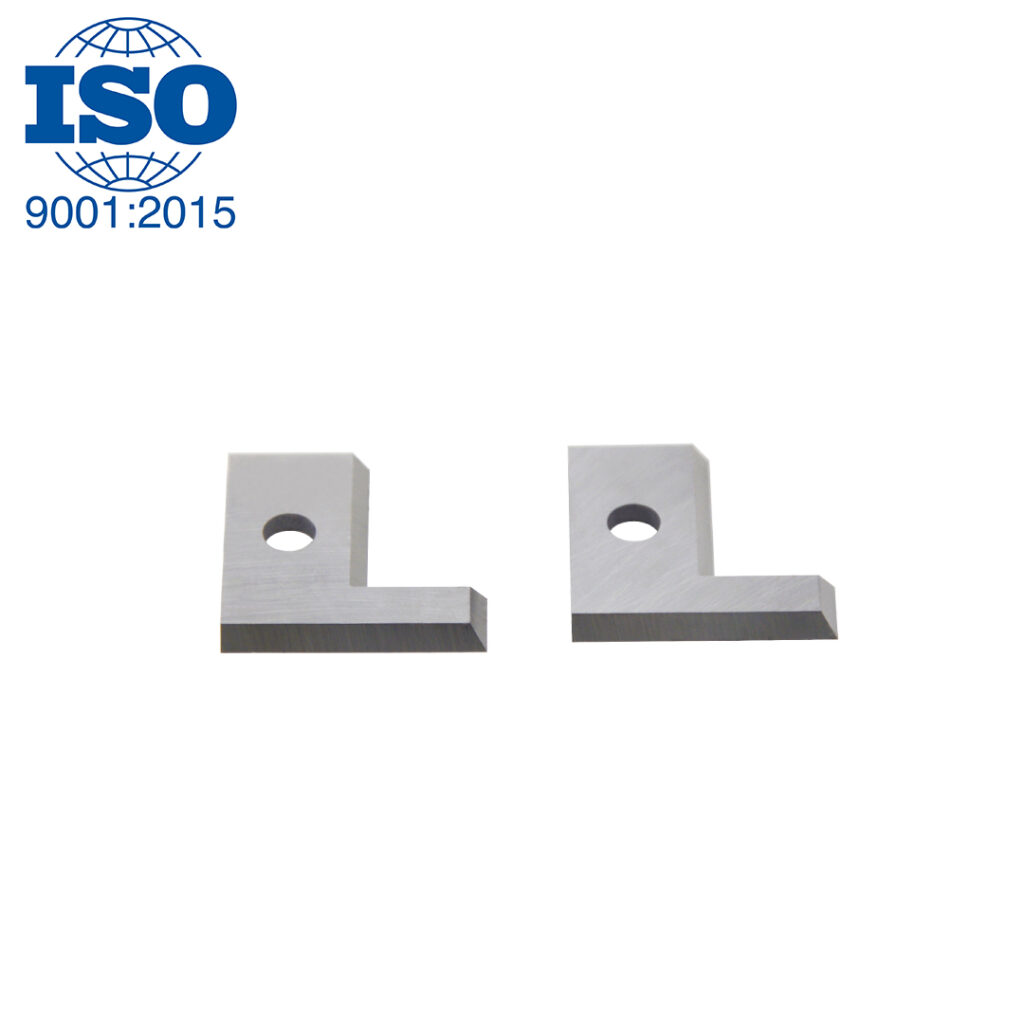
Hobelmesser aus Hartmetall sind indexierbare oder auswechselbare Schneidmesser aus Wolframkarbid, Entwickelt, um langanhaltende Schärfe und eine hervorragende Oberflächengüte zu liefern. In Australien, Kanada, die Vereinigten Staaten, und Europa, Geschäfte verwenden Hartmetall-Hobelmesser für Hobelmaschinen, Jointer, Shaper, und CNC-Werkzeuge, weil sie sauber schneiden, schnell ändern, und halten Sie die Produktion mit minimalen Ausfallzeiten am Laufen.
In der professionellen Holzbearbeitung, Hobelmesser aus Hartmetall sind zur Standardauswahl für Dickenhobelmaschinen geworden, Jointer, und Former, bietet außergewöhnliche Verschleißfestigkeit und gleichbleibende Oberflächenqualität. Diese Wendeschneidplatten oder Einweg-Hartmetalleinsätze machen das mühsame Einstellen und Auswuchten der Messer überflüssig, Reduziert die Rüstzeit erheblich und liefert gleichzeitig hervorragende Ergebnisse auf Harthölzern, Weichhölzer, und technische Paneele. Jedoch, sogar das Beste Hobelmesser aus Hartmetall Es kann zu Leistungsproblemen kommen, wenn ungeeignete Feed-Techniken angewendet werden, falsche Maschineneinrichtung, oder unzureichende Wartung. Verständnis ihrer Hauptfunktionen bei Planungsvorgängen, Erkennen häufiger Probleme mit praktischen Lösungen, Durch die Einhaltung grundlegender Sicherheitspraktiken können Sie die Kosteneffizienz und Langlebigkeit dieser fortschrittlichen Schneidwerkzeuge maximieren.
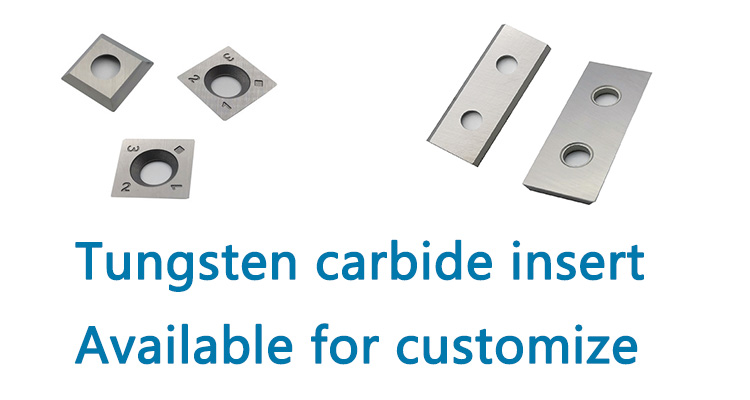
Hauptfunktionen von Hartmetall-Hobelmessern in der Holzbearbeitung
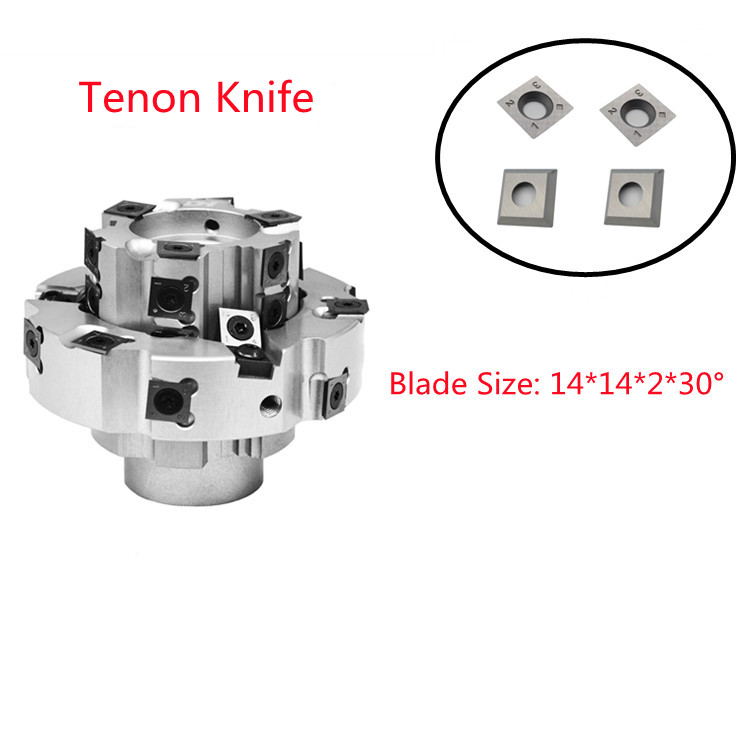
Hobelmesser aus Hartmetall dienen als Schneidelemente in Dickenhobelmaschinen, Jointer, und Vierseitenfräsen, wo sie grobes Holz in maßhaltiges Holz verwandeln, glatt verarbeitete Bretter. Im Gegensatz zu herkömmlichen Schnellarbeitsstahlmessern, die eine manuelle Einstellung und häufiges Schärfen erfordern, Diese Einweg-Hartmetalleinsätze verfügen über mehrere Schneidkanten – normalerweise zwei oder vier pro Einsatz. Wenn eine Kante stumpf wird, Bediener lösen einfach die Klemmschraube, Drehen Sie den Einsatz, um eine frische Kante freizulegen, und die Arbeit innerhalb weniger Minuten wieder aufnehmen.
Zu den üblichen Anwendungen gehört das Planhobeln von Harthölzern und Weichhölzern, Kantenverfugung zur Verklebungsvorbereitung, Dickenverstärkung verklebter Platten, und großvolumige Dimensionierung in Schreinereien und Bodenbelagsbetrieben. Für Werkstätten, in denen abrasive Holzarten wie Teakholz verarbeitet werden, ipe, oder wiedergewonnenes Bauholz mit eingebettetem Schutt, Hobelmesser aus Hartmetall behalten die Schnittschärfe fünf bis zehn Mal länger als herkömmliche Stahlmesser, Ausfallzeiten werden deutlich reduziert und der Durchsatz verbessert.
Fünf häufige Probleme und praktische Lösungen
Problem 1: Ausriss oder unscharfe Körnung auf der fertigen Oberfläche
Eines der frustrierendsten Probleme mit Hobelmesser aus Hartmetall produziert Bretter mit gerissener Maserung, unscharfe Flecken, oder raue Oberflächen, die umfangreiches Schleifen erfordern. Dies weist typischerweise auf stumpfe Einsätze hin, falsche Schnitttiefe, oder gegen die Holzmaserung füttern.
Lösung: Erste, Drehen Sie alle Einsätze auf der Hobelmesser aus Hartmetall um frische Schneidkanten freizulegen – stumpfes Hartmetall erzeugt Reibung statt sauberer Scherwirkung. Zweite, Überprüfen Sie Ihre Schnitttiefe; Ein zu heftiger Schlag auf gemusterte Hölzer führt zum Ausriss. Bei schwierigem Korn auf 1-2 mm pro Durchgang reduzieren. Dritte, Überprüfen Sie die Vorschubrichtung relativ zur Kornausrichtung; Führen Sie das Material immer so ein, dass das Korn nach oben in den Schneidkopf läuft. Für umgekehrte Maserung oder stark gemasertes Holz, Erwägen Sie, die Vorschubgeschwindigkeit zu reduzieren und einen leichteren Schnitt zu verwenden Hobelmesser aus Hartmetall. Endlich, Stellen Sie sicher, dass der Schneidkopf parallel zum Maschinentisch steht – eine Fehlausrichtung führt zu einem ungleichmäßigen Eingriff, der dazu führt, dass das Korn auf einer Seite reißt.
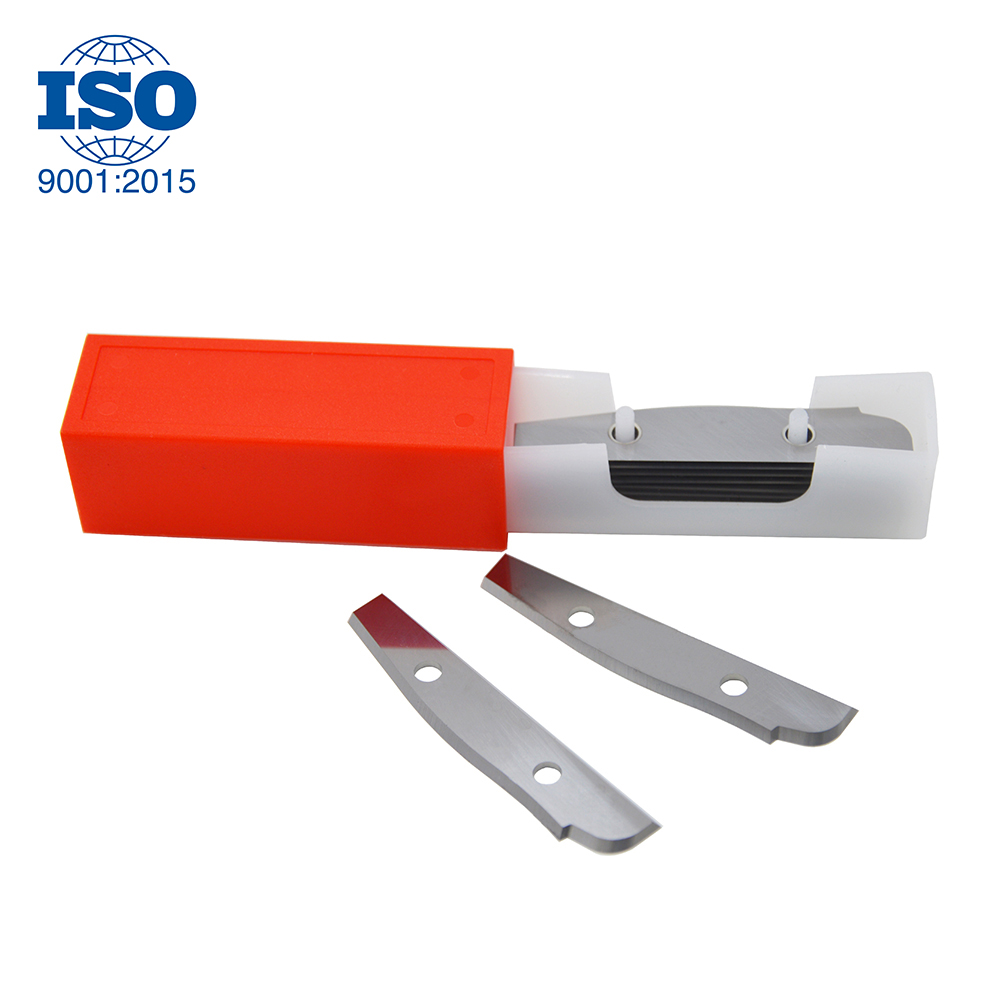
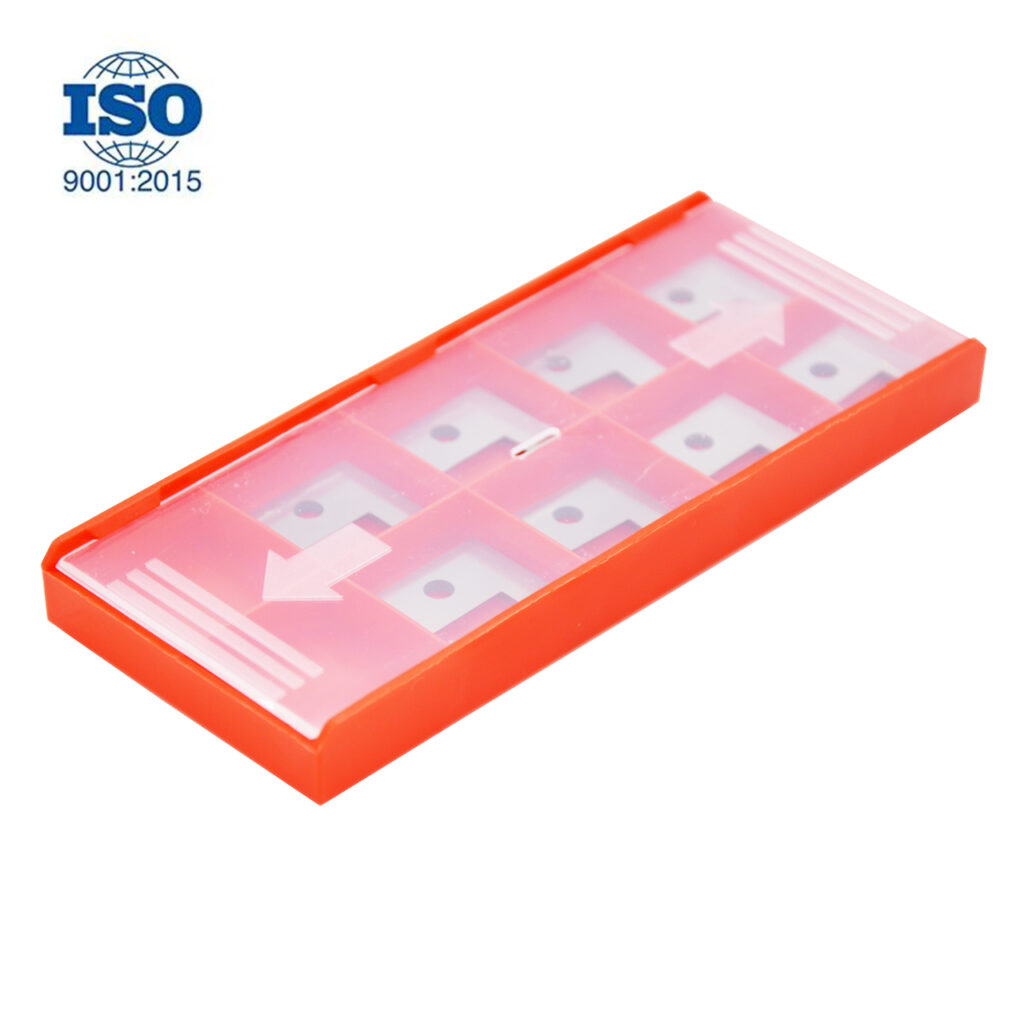
Problem 2: Übermäßige Absplitterung oder Bruch der Wendeschneidplatte
Wann Hobelmesser aus Hartmetall es kommt häufig zu Absplitterungen der Wendeschneidplatte oder einem vollständigen Bruch, Der Übeltäter ist in der Regel der Einschlag eines Fremdkörpers, falsche Futtertechnik, oder die Verwendung einer falschen Wendeschneidplattensorte für das zu bearbeitende Material. Abgebrochene Einsätze beschädigen Werkstücke und es entstehen gefährliche Projektile.
Lösung: Führen Sie vor dem Hobeln eine gründliche Holzinspektion durch – entfernen Sie alle Nägel, Heftklammern, und eingebetteter Kies. Für Alt- oder Bauholz, Verwenden Sie einen Metalldetektor, bevor Sie dem Hobel Material zuführen. Zweite, Vermeiden Sie die Fütterung von Material mit losen Ästen oder Rindeneinschlüssen; diese Auswirkungen Hobelmesser aus Hartmetall mit Stoßbelastungen, die Hartmetall brechen. Dritte, Stellen Sie sicher, dass Sie für Ihre Anwendung die richtige Wendeplattensorte verwenden. Standard-Hartmetalleinsätze eignen sich gut für saubere Harthölzer und Weichhölzer, Für die Verarbeitung abrasiver Materialien wie MDF oder Spanplatten sind jedoch speziell beschichtete oder verschleißfeste Sorten erforderlich. Vierte, Stellen Sie sicher, dass die Einstecktaschen auf Ihrem Hobelmesser aus Hartmetall müssen vor dem Einbau neuer Einsätze sauber und frei von Rückständen sein – eingeschlossene Partikel verhindern den ordnungsgemäßen Sitz und verursachen ungleichmäßige Belastung.
Problem 3: Schnepfen oder ungleichmäßiger Schnitt an den Brettenden
Snipe – der tiefere Schnitt am Anfang oder Ende eines Bretts – ist eine häufige Beschwerde bei der Verwendung Hobelmesser aus Hartmetall. Dieses Problem ist auf einen falschen Walzendruck zurückzuführen, falsche Schneidkopfpositionierung, oder abgenutzte Ein-/Ausgabetische.
Lösung: Passen Sie Ihre Ein- und Auslaufwalzen so an, dass sie über die gesamte Brettlänge einen gleichmäßigen Druck ausüben. Durch ungleichmäßigen Rollendruck hebt sich das Brett leicht an, verursacht das Hobelmesser aus Hartmetall an den Enden tiefer schneiden. Zweite, Stellen Sie sicher, dass der Schneidkopf in der richtigen Höhe relativ zum Tischbett positioniert ist – falls der Schneidkopf zu hoch ist, Das Brett dreht sich auf der Führungsrolle und erzeugt eine Schnepfe. Dritte, Überprüfen Sie, dass die Tischrollen oder Grundplatten Ihrer Maschine nicht abgenutzt oder gerieft sind; Unebene Oberflächen ermöglichen ein Wackeln des Boards. Endlich, beim Füttern von Untervieh, Verwenden Sie Opferstützblöcke oder erwägen Sie ein Upgrade auf Hobelmesser aus Hartmetall mit spanbegrenzender Geometrie, die die Auswirkungen ungleichmäßiger Zuführung reduziert.
Problem 4: Brandflecken oder Verglasungen auf der Werkstückoberfläche
Brandflecken auf gehobelten Brettern weisen auf übermäßige Reibungswärme hin Hobelmesser aus Hartmetall. Dieses Problem ist typischerweise auf stumpfe Einsätze zurückzuführen, unzureichende Vorschubgeschwindigkeit, oder Harzansammlungen an den Schnittkanten.
Lösung: Wendeschneidplatten drehen, um frische Schneidkanten freizulegen –Hobelmesser aus Hartmetall sind für eine einfache Indizierung konzipiert, und die Bediener sollten alle paar Stunden intensiver Nutzung wechseln.
Zweite, Vorschubgeschwindigkeit erhöhen; im Gegensatz zur Intuition, Ein schnellerer Vorschub verringert die Verbrennung, da jede Wendeschneidplatte einen dickeren Span aufnimmt, der die Wärme von der Schneidzone ableitet.
Dritte, Reinigen Sie den Schneidkopf gründlich; Pech und Harz, die sich auf den Einsätzen und zwischen den Klemmtaschen ansammeln, isolieren die Wärme und erzeugen Reibung. Verwenden Sie ungiftige, hartmetallsichere Harzentferner. Für harzige Hölzer wie Kiefer oder Kirsche, Tragen Sie zwischen den Durchgängen spezielle Schmiermittel oder Wachse auf den Schneidkopf auf. Endlich, Reduzieren Sie die Schnitttiefe, wenn das Brennen anhält. Mehrere leichtere Durchgänge erzeugen weniger Reibung als ein schwerer Schnitt Hobelmesser aus Hartmetall.


Problem 5: Schwierigkeiten beim Drehen oder Austauschen der Einsätze
Operatoren stellen manchmal fest, dass der Indexierungsmechanismus aktiviert ist Hobelmesser aus Hartmetall schwierig zu bedienen, mit eingefrorenen Schrauben oder Einsätzen, die nicht richtig sitzen. Dies führt dazu, dass Rotationen übersprungen werden und weiterhin stumpfe Schneidkanten verwendet werden.
Lösung: Tragen Sie während der Installation ein Anti-Seize-Mittel auf die Klemmschrauben auf, um Abrieb und Korrosion durch freiliegendes Harz zu verhindern. Beim Entfernen hartnäckiger Schrauben, Verwenden Sie hochwertige Inbusschlüssel oder Torx-Schraubendreher, die genau passen – abgerundete Werkzeuge beschädigen die Schraubenköpfe und machen ein zukünftiges Indexieren unmöglich. Schrauben des Einsatzes nie zu fest anziehen; Befolgen Sie die Drehmomentangaben aus dem Hobelmesser aus Hartmetall Hersteller. Reinigen Sie die Einsatztaschen gründlich, bevor Sie neue Einsätze einsetzen; Unter einer Wendeschneidplatte eingeschlossene Rückstände verhindern den ordnungsgemäßen Sitz und beeinträchtigen die Schnittgeometrie. Für Hobelmesser aus Hartmetall mit verschleißfesten Beschichtungen auf den Einsätzen, Stellen Sie sicher, dass Sie in die richtige Position drehen – einige Wendeschneidplatten haben mehrere nutzbare Kanten, aber besondere Anforderungen an die Indexierung. Erwägen Sie die Erstellung eines vorbeugenden Wartungsplans für den Schneidkopfkörper selbst, einschließlich der regelmäßigen Reinigung und Inspektion der Schraubengewinde.

Grundlegende Sicherheitsempfehlungen für Hartmetall-Planmesser
Arbeiten mit Hobelmesser aus Hartmetall erfordern aufgrund ihrer extremen Schärfe und der schnell rotierenden Masse des Schneidkopfes strenge Sicherheitsaspekte. Trennen Sie immer die Stromversorgung und lassen Sie den Schneidkopf vollständig zum Stillstand kommen, bevor Sie Inspektionen durchführen, Reinigung, oder Drehung einfügen. Greifen Sie niemals in die Maschine, während sich der Schneidkopf dreht.Hobelmesser aus Hartmetall kann schwere Schnittwunden verursachen. Tragen Sie eine stoßfeste Schutzbrille; Ein zerbrochener Hartmetalleinsatz, der aus dem Schneidkopf herausgeschleudert wird, kann schwere Augenverletzungen verursachen. Schnittfeste Handschuhe sind beim Einsatzwechsel und beim Reinigen unerlässlich, dürfen aber niemals während des Betriebs der Maschine getragen werden.
Vor der Installation Hobelmesser aus Hartmetall, Untersuchen Sie den Stahlkörper auf Risse, die Einsätze für Chips, und stellen Sie sicher, dass alle Klemmschrauben in gutem Zustand sind. Verwenden Sie beim Hobeln von kurzem oder schmalem Material Schubblöcke oder Kraftvorschubgeräte; Hände dürfen sich niemals dem Bereich des Schneidkopfes nähern. Sorgen Sie für alle Wachen, Rückschlagschutzvorrichtungen, und Staubabsaughauben vorhanden sind und ordnungsgemäß funktionieren.
Überschreiten Sie niemals die für Ihre Maschine oder Ihren Schneidkopf angegebene maximale Drehzahl. Endlich, Erhalten Sie eine gründliche Schulung zu den Sperr-/Tagout-Verfahren und Not-Aus-Funktionen Ihres spezifischen Hobels, bevor Sie Wartungsarbeiten daran durchführen Hobelmesser aus Hartmetall.

Abschluss
Hobelmesser aus Hartmetall haben Holzbearbeitungshobelvorgänge durch überlegene Verschleißfestigkeit verändert, schnelle Indizierung, und gleichbleibende Oberflächenqualität. Indem wir ihre Hauptfunktionen verstehen und die fünf oben genannten häufigen Probleme erkennen – das Herausreißen, Späne einsetzen, Schnepfe, Brandflecken, und schwierige Indizierung – Betreiber können praktische Lösungen implementieren, die die Leistung wiederherstellen und die Lebensdauer der Komponenten verlängern. Regelmäßige Wendeplattenrotation, richtige Vorschubgeschwindigkeiten, gründliche Reinigung, und die Einhaltung von Sicherheitspraktiken stellen dies sicher Hobelmesser aus Hartmetall liefern die außergewöhnlichen Ergebnisse, die sie bieten sollen. Bei richtiger Pflege und Bedienung, Mit diesen innovativen Fräsern werden anspruchsvolle Hobelarbeiten zu effizienten, Durchgängige Produktionsabläufe.
Hölzerne Hobelmaschinen Handholz Manuelle Dickenhobelmesser Hobelmesser Hss-Hobelmesser