
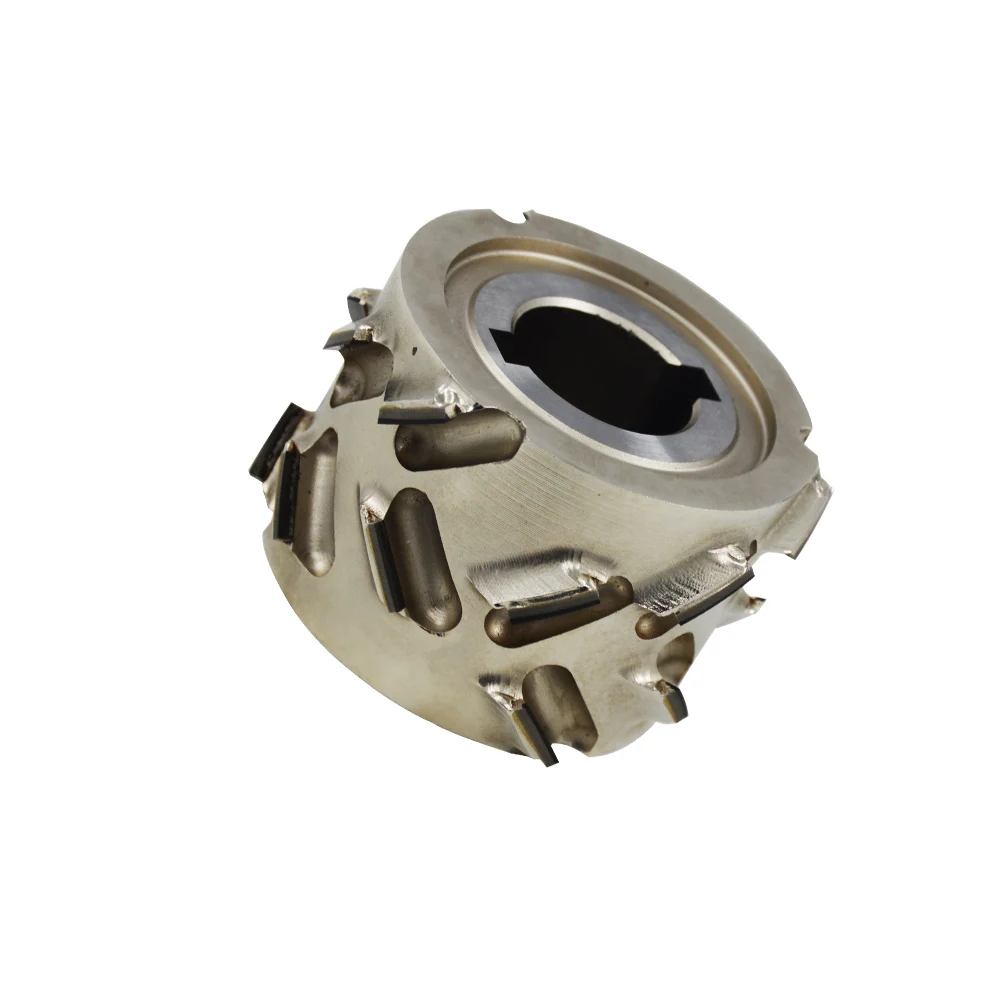
In modernen Kantenanleimbetrieben, Die PKD-Vorfräser plays an absolutely essential role in preparing panel edges before adhesive application and tape attachment. Dieses Spezialwerkzeug, auch unter vielen Namen bekannt, einschließlich PCD-Schneidkopf, Kantenanleimmesserkopf, PCD-Kantenanleimschneider, Kantenanleimwerkzeug für PKD-Vorfräser, Kantenanleimfräser, edge banding PCD milling cutter, MDF board PCD milling cutter, or Particle board PCD milling cutter, is primarily used to trim and condition panel edges prior to banding.
Without proper functioning of the PKD-Vorfräser, the final edge quality suffers dramatically. Jedoch, even these premium diamond-tipped tools can encounter performance issues when used incorrectly. Ihre Hauptfunktionen verstehen, Erkennen häufiger Probleme mit praktischen Lösungen, and following essential safety practices ensures you maximize the exceptional service life these tools offer while maintaining consistent edge quality on decorative laminated panels such as MDF (mitteldichte Faserplatte), Spanplatte, and melamine board.

Primary Functions of PCD Pre-milling Cutters in Edge Banding
Der PKD-Vorfräser serves a critical function on edge banding machines: preparing panel edges before edge banding tape application. Specifically, the cutter removes approximately 1-2mm of material from the panel edge to create a fresh, clean, and geometrically perfect surface. This pre-milling operation eliminates any imperfections from previous cuts, removes glue residue, and ensures optimal adhesion for the subsequent edge banding process.
The primary materials processed are engineered wood panels including MDF (mitteldichte Faserplatte), Spanplatte, and melamine board. The extreme hardness of the polycrystalline diamond tips allows the PKD-Vorfräser to maintain cutting sharpness through these abrasive materials for extended periods. After the pre-milling step, the edge bander applies adhesive and presses封边条onto the conditioned edge. Without proper pre-milling, edge banding suffers from poor adhesion, visible glue lines, and premature failure.
Fünf häufige Probleme und praktische Lösungen
Problem 1: Rough or Frayed Edge After Pre-Milling
Wenn die PKD-Vorfräser leaves a rough, fuzzy, or chipped edge instead of a clean conditioning surface, the panel will not accept edge banding properly. This typically indicates dull diamond tips, incorrect cutting parameters, or improper tool alignment.
Lösung: Erste, inspizieren Sie die PKD-Vorfräser for visible wear or chipped edges. If dullness is evident, the tool requires professional resharpening using diamond grinding wheels. Zweite, verify that the cutter is positioned correctly relative to the panel—excessive cutting depth or improper angle will produce rough surfaces. Adjust the tool to remove only 1-2mm per pass. Dritte, ensure your feed speed matches the material; running too slowly on melamine board generates friction rather than clean cutting action. Endlich, check that the panel itself is stable and free from excessive bowing or warping before entering the pre-milling station.
Problem 2: Excessive Diamond Tip Chipping or Fracture
Eines der frustrierendsten Probleme mit dem PKD-Vorfräser is discovering small chips or complete fractures along the diamond cutting edges. This typically occurs when the tool encounters impact loads—hitting embedded debris, inconsistent panel surfaces, or when the machine accelerates too aggressively into dense material.
Lösung: Erste, implement rigorous panel inspection protocols to identify and reject any boards containing nails, Heftklammern, or hard inclusions before they reach the edge bander. Zweite, reduce acceleration and deceleration ramping speeds on your edge banding machine; sudden start-stop forces can fracture the diamond layer on the PKD-Vorfräser. Dritte, ensure panels are fed consistently without bouncing or lifting, which creates impact loading. Vierte, consider using a PKD-Vorfräser with reinforced edge geometry specifically designed for impact resistance when processing recycled or lower-quality particle board containing unpredictable inclusions.
Problem 3: Visible Glue Lines or Poor Edge Band Adhesion
When edge banding tape fails to adhere properly or shows visible glue lines after banding, the problem often traces back to poor pre-milling performance. Der PKD-Vorfräser may be producing a contaminated, verbrannt, or geometrically incorrect edge that repels adhesive.
Lösung: Inspect the conditioned edge immediately after pre-milling. If burn marks are present, reduce feed speed or verify that the PKD-Vorfräser is not overloaded with resin buildup. Clean the tool thoroughly using appropriate non-toxic cleaners designed for diamond tools. Zweite, measure the edge geometry; the pre-milled surface should be perfectly flat and square. Adjust the PKD-Vorfräser positioning if the edge shows taper or waviness. Dritte, ensure the conditioned edge is free from dust and debris before adhesive application. Improve dust extraction in the pre-milling zone. Endlich, verify that your edge banding machine applies consistent pressure during the tape attachment phase—poor mechanical pressure cannot compensate for an inadequately pre-milled edge.
Problem 4: Premature Dulling of the PCD Pre-milling Cutter
While PCD tools are renowned for extraordinary wear resistance, operators sometimes experience seemingly premature dulling of the PKD-Vorfräser. This typically indicates processing materials beyond the tool’s specifications or running at incorrect parameters for extended periods.
Lösung: Verify that your application truly requires a PKD-Vorfräser; some lower-grade particle board contains highly abrasive mineral fillers that accelerate wear even on diamond tools. Zweite, ensure adequate dust extraction in the cutting zone; recirculating abrasive chips dramatically shortens tool life. Dritte, review your programmed feed rates; running too slowly on melamine board starves the cutting zone of proper chip formation, verursacht das PKD-Vorfräser to rub rather than cut. Establish a regrind schedule with a qualified diamond tool service provider—even premium PCD tools eventually require professional resurfacing after hundreds of hours of operation.
Problem 5: Machine Vibration During Pre-Milling Operation
Excessive vibration during the pre-milling process damages the PKD-Vorfräser, reduces edge quality, and stresses the edge banding machine’s spindle and bearings. This problem typically stems from tool imbalance, improper tool holding, or spindle wear.
Lösung: Have each PKD-Vorfräser dynamically balanced, particularly for tools operating above 8,000 RPM. Replace any tool showing signs of imbalance immediately. Zweite, ensure your tool holder, collet assembly, and spindle taper are perfectly clean before installation—even microscopic debris causes the PKD-Vorfräser to seat incorrectly. Dritte, examine the edge banding machine’s spindle for runout or bearing wear. Worn components allow the PKD-Vorfräser to orbit during rotation, creating vibration and poor edge quality. Endlich, reduce cutting depth and take multiple lighter pre-milling passes if the machine lacks sufficient rigidity.
Essential Safety Recommendations for PCD Pre-milling Cutters
Arbeiten mit dem PKD-Vorfräser requires heightened safety awareness due to its extreme sharpness and high rotational speeds. Always wear impact-rated safety glasses or a full face shield—a fractured diamond tip ejected from the cutting zone can cause severe eye injuries. Cut-resistant gloves are essential during tool changes and cleaning but must never be worn while the spindle is rotating.
Before installing the PKD-Vorfräser, inspect for visible cracks, loose brazing, or damaged shanks; discard any tool showing signs of compromise. Ensure all guards and dust extraction hoods are in place around the pre-milling station; never reach into the cutting zone while the machine is operating. Maintain proper dust collection, as airborne fine particles from MDF and melamine board are respiratory hazards. Never exceed the maximum RPM rating engraved on the PKD-Vorfräser shank.
When changing tools, disconnect power to the edge banding machine completely. Endlich, receive thorough training on your specific edge bander’s safety features and emergency stop procedures before operating with the PKD-Vorfräser.
Abschluss
Der PCD Pre-milling CutteR is an indispensable tool for producing high-quality edge banding on decorative laminated panels including MDF, Spanplatte, and melamine board. By understanding its primary function of creating clean, geometrically perfect edges before edge banding tape application and recognizing the five common issues outlined above—rough finish, tip chipping, poor adhesion, premature dulling, and machine vibration—operators can implement practical solutions that restore cutting quality and extend tool life.
Regelmäßige Inspektion, appropriate feed parameters, gründliche Reinigung, und die Einhaltung von Sicherheitspraktiken stellen sicher, dass die PKD-Vorfräser provides the outstanding edge preparation essential for durable, attractive finished products. Bei richtiger Pflege und Bedienung, this premium diamond tool transforms challenging edge banding operations into efficient, Durchgängige Produktionsabläufe.