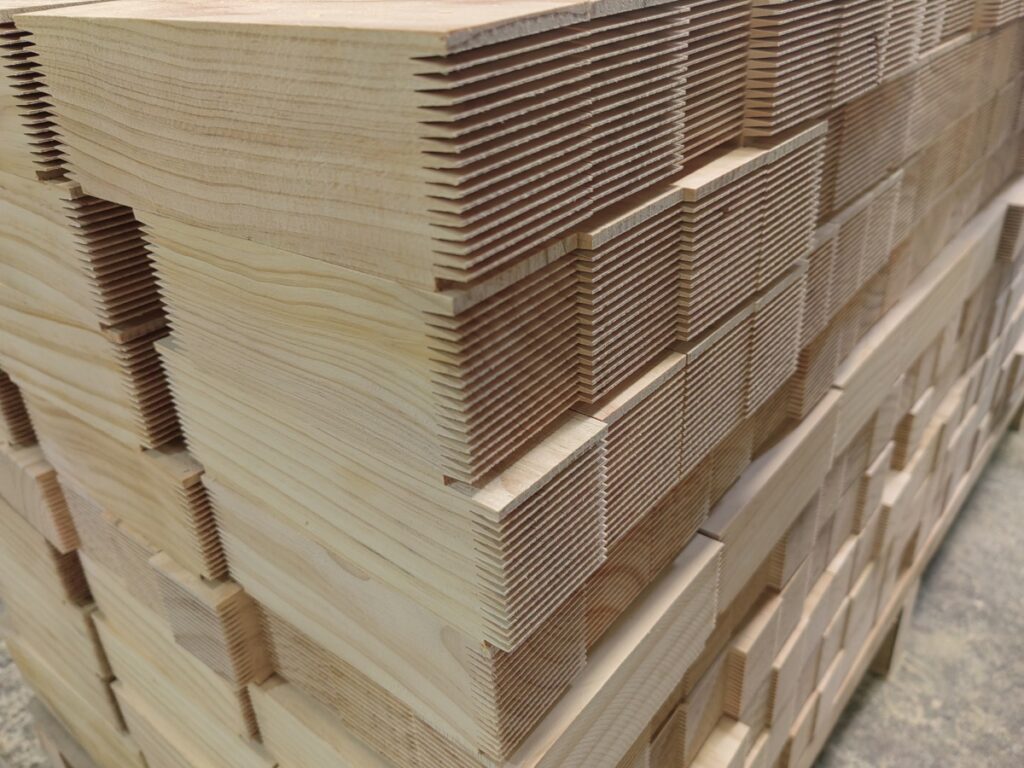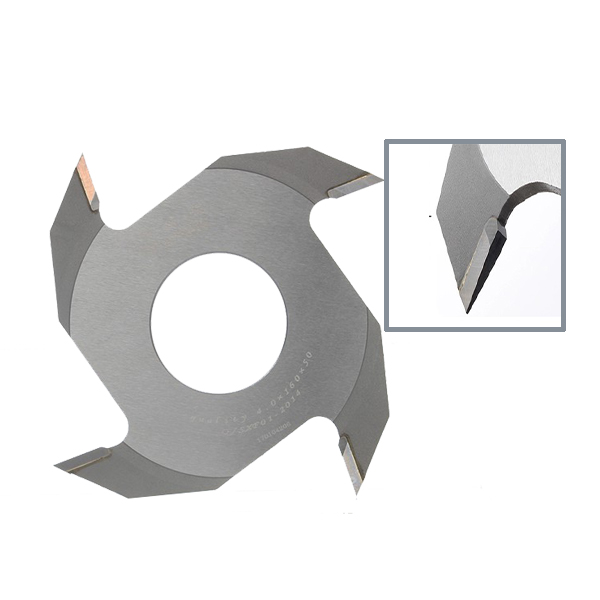
Dans le travail du bois moderne, le Coupe-joints à doigts est un outil essentiel pour créer des, joints à emboîtement précis largement utilisés dans la fabrication de meubles, fabrication de portes et fenêtres, et revêtement de sol.
Ces fraises spécialisées, généralement à pointe en carbure ou en carbure monobloc, produisent le caractère distinctif “doigt” ou profil en forme de peigne qui maximise la surface de colle pour une résistance supérieure des joints. Cependant, même le meilleur Coupeur de joint de doigt peut sous-performer ou échouer prématurément s’il est soumis à une mauvaise configuration, vitesses d'alimentation incorrectes, ou un entretien inadéquat. Cet article couvre les principales fonctions du Coupeur de joint de doigt, cinq problèmes opérationnels courants avec des solutions pratiques, et recommandations de sécurité essentielles.
Fonctions principales de Coupe-joints à doigts dans le travail du bois
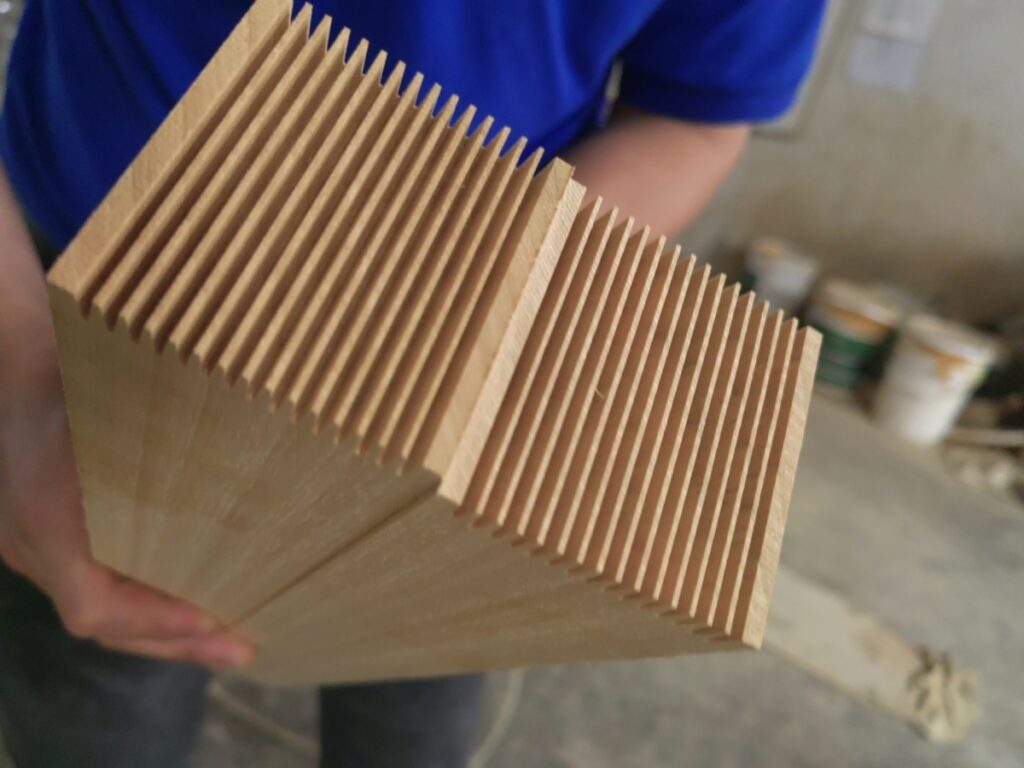
Le Coupeur de joint de doigt remplit la fonction essentielle de création de profils emboîtables aux extrémités des composants en bois, permettant une forte, jonction efficace de bout en bout. Ces fraises comportent plusieurs languettes et rainures alternées : “doigts”-qui s'emboîtent précisément avec des pièces assorties. La conception maximise la surface de colle, produisant des résistances de joints qui dépassent souvent la résistance du bois lui-même.
Les applications courantes incluent la production de cadres de fenêtres et de portes, fabrication de composants de meubles, création de revêtement de sol et terrasse, et toute application nécessitant une longue, longueurs continues à partir de stocks plus courts. Les opérations à grand volume utilisent souvent Coupe-joints à doigts sur des machines dédiées, avec des longueurs de doigts mesurant généralement entre 5 mm et 20 mm et des pas de 4 mm à 20 mm.

Cinq problèmes courants et solutions pratiques
Problème 1: Mauvais ajustement ou lacunes des joints
L'un des problèmes les plus frustrants liés au Coupeur de joint de doigt produit des joints avec des espaces, désalignement, ou un mauvais ajustement. Cela indique généralement des roulements usés, profondeur de coupe incorrecte, ou outillage émoussé. Quand les doigts ne s’emboîtent pas parfaitement, les lignes de colle deviennent visibles et la résistance des joints est compromise.
Solution: D'abord, vérifiez les roulements et la broche de votre machine pour déceler du jeu ou de l'usure; même un léger faux-rond affecte la géométrie du joint. Deuxième, vérifiez la profondeur de coupe – si les doigts sont trop peu profonds, ils ne se verrouillent pas correctement. Assurer le Coupeur de joint de doigt est réglé à la profondeur appropriée pour l'épaisseur de votre matériau. Troisième, inspecter tous les bords de coupe pour déceler toute matité; un ennuyeux Coupeur de joint de doigt produit des surfaces irrégulières qui empêchent un ajustement serré. Faites pivoter ou remplacez les inserts si nécessaire. Enfin, assurez-vous que votre système de guidage ou votre guide est d'équerre par rapport à la fraise, car le désalignement introduit des coupes hors angle.
Problème 2: Surfaces de joint déchirables et floues
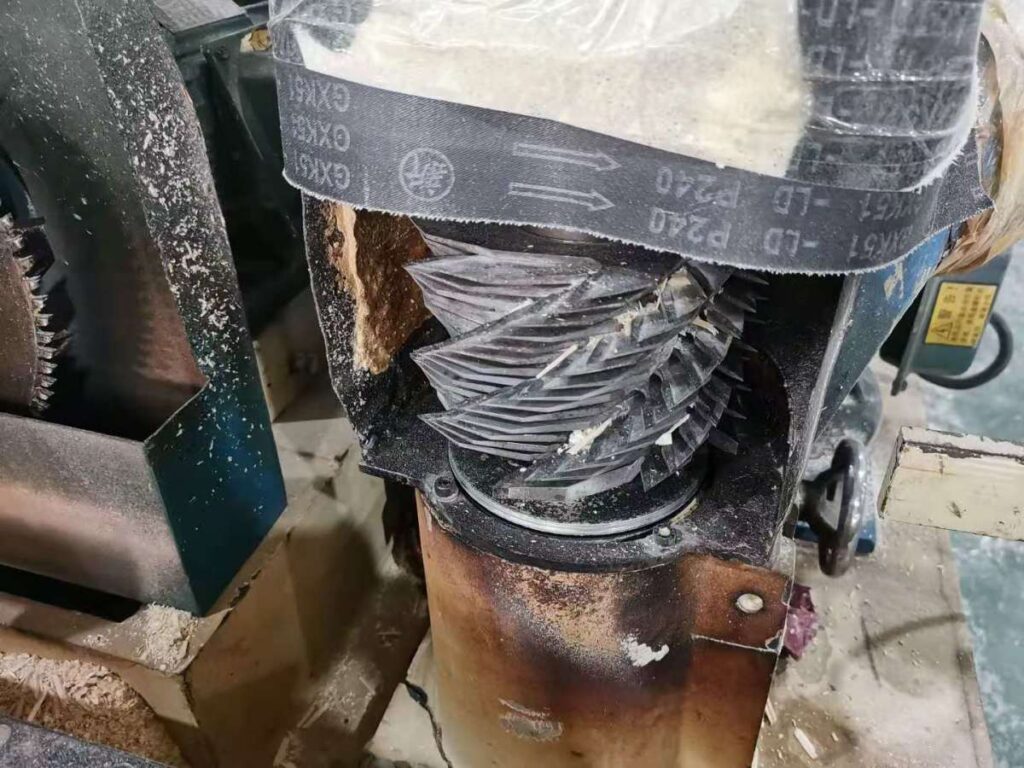
Rugueux, flou, ou les surfaces des doigts déchirées réduisent l'adhérence de la colle et l'intégrité des joints. Ce problème vient d'un outillage ennuyeux, vitesses d'alimentation incorrectes, ou couper dans le sens inverse du grain.
Solution: Faites pivoter ou remplacez les inserts sur le Coupeur de joint de doigt dès les premiers signes de dégradation de la surface. Deuxième, ajuster la vitesse d'alimentation; une alimentation trop lente génère des frictions plutôt qu’un cisaillement propre, une alimentation trop agressive déchire les fibres. Troisième, orientez votre pièce de manière à ce que la fraise cisaille dans le sens du grain plutôt que de la soulever. Pour inverser le grain, pensez à réduire la profondeur de coupe et à effectuer plusieurs passes avec votre Coupeur de joint de doigt.
Problème 3: Longueur ou profil des doigts incohérents
Les variations de longueur des doigts le long de la pièce ou d'une pièce à l'autre indiquent des problèmes de configuration., incohérences matérielles, ou des problèmes de pression. Ce défaut compromet la solidité des joints et la précision de l’assemblage.
Solution: Vérifiez que vos rouleaux de maintien ou d'alimentation s'appliquent de manière cohérente., même pression sur le stock. Une pression incohérente provoque le soulèvement ou le déplacement de la pièce pendant la coupe. Deuxième, assurer la Coupeur de joint de doigt est solidement serré et ne glisse pas sur la broche. Troisième, calibrer votre système d'arrêt ou de positionnement; si le point d'index varie, l'alignement des doigts sera incohérent. Enfin, vérifiez que votre stock a une épaisseur uniforme - les variations provoquent le Coupeur de joint de doigt prendre des coupes inégales.
Problème 4: Usure excessive des outils ou écaillage des plaquettes
Usure prématurée ou écaillage du Coupeur de joint de doigt les inserts sont coûteux et perturbent la production. Cela se produit généralement lors du traitement de matériaux abrasifs tels que le MDF., panneau de particules, ou bois durs exotiques à haute teneur en silice.
Solution: D'abord, assurez-vous que vous utilisez la nuance de carbure appropriée pour votre matériau. Travaux au carbure standard pour bois durs propres, mais les matériaux abrasifs nécessitent des qualités spécialisées avec une résistance à l'usure plus élevée. Deuxième, réduire la pression d'alimentation : forcer le matériau de manière agressive génère de la chaleur qui accélère l'usure. Troisième, maintenir une charge de copeaux constante; exécuter le Coupeur de joint de doigt trop lentement provoque un frottement plutôt qu'une coupure. Enfin, inspecter le stock à la recherche de corps étrangers comme des clous, agrafes, ou sable incorporé avant usinage.
Problème 5: Bavures ou éclats sur les bords des doigts
Des bavures pointues ou des éclats le long des bords des doigts indiquent une chaleur excessive, outillage terne, ou angle de cisaillement inapproprié. Ces défauts réduisent la pénétration de la colle et la résistance des joints.
Solution: Nettoyer le Coupeur de joint de doigt soigneusement; l'accumulation de résine et de poix isole la chaleur et crée une friction. Utilisez des solutions de nettoyage spécialisées sans danger pour le carbure. Deuxième, vérifier que les bords coupants sont tranchants et exempts d'entailles. Troisième, vérifier que le Coupeur de joint de doigt fonctionne au bon régime; une vitesse excessive génère de la chaleur, tandis qu'une vitesse insuffisante produit des déchirures. Enfin, pensez à utiliser Coupe-joints à doigts avec des revêtements spécialisés qui réduisent la friction et la génération de chaleur.
Recommandations de sécurité essentielles pour les coupe-joints
Travailler avec le Coupeur de joint de doigt nécessite une discipline de sécurité stricte en raison de ses multiples arêtes de coupe rotatives. Portez toujours des lunettes de sécurité résistantes aux chocs ou un écran facial complet : des inserts cassés ou des pièces projetées peuvent causer de graves blessures aux yeux.. Des gants résistants aux coupures sont essentiels lors du changement d'outil et du nettoyage, mais ne doivent jamais être portés lorsque la tête de coupe tourne.. Avant d'installer le Coupeur de joint de doigt, inspecter le corps en acier pour déceler des fissures, les inserts pour chips, et assurez-vous que toutes les vis de serrage sont sécurisées. Ne dépassez jamais le régime maximum indiqué sur le corps de la fraise.. Assurez-vous que toutes les protections de la machine et les hottes d'extraction de la poussière sont en place et correctement ajustées..
Utilisez des blocs poussoirs ou des alimentateurs électriques pour garder les mains bien éloignées de la zone de coupe.. Ne mettez jamais la main dans la machine pour retirer les déchets pendant que Coupeur de joint de doigt tourne. Lors du changement ou du réglage de l'outillage, débranchez complètement l'alimentation plutôt que de compter sur le bouton d'arrêt. Maintenir une zone de travail propre; Les copeaux et débris accumulés peuvent interférer avec l'alimentation correcte de la pièce et créer des risques de glissement.. Enfin, recevez une formation approfondie sur les caractéristiques de sécurité spécifiques de votre machine et les procédures d'arrêt d'urgence avant de l'utiliser avec n'importe quel Coupeur de joint de doigt.

Conclusion
Le Coupeur de joint de doigt est un outil indispensable pour créer des, joints à emboîtement précis dans le travail du bois à grand volume. En comprenant sa fonction principale consistant à produire des profils de doigts correspondants pour l'assemblage des extrémités et en reconnaissant les cinq problèmes courants décrits ci-dessus : un mauvais ajustement, surfaces rugueuses, longueur incohérente, usure excessive, et bavures : les opérateurs peuvent mettre en œuvre des solutions pratiques qui restaurent la qualité de coupe et prolongent la durée de vie des outils.. Inspection régulière, taux d'alimentation appropriés, nettoyage approprié, et le respect des pratiques de sécurité garantissent que le Coupeur de joint de doigt offre des performances fiables tout en maintenant un environnement de travail sûr. Avec un entretien et un fonctionnement corrects, cet outil essentiel transforme les opérations d'assemblage difficiles en efficacité, des processus de production cohérents.