
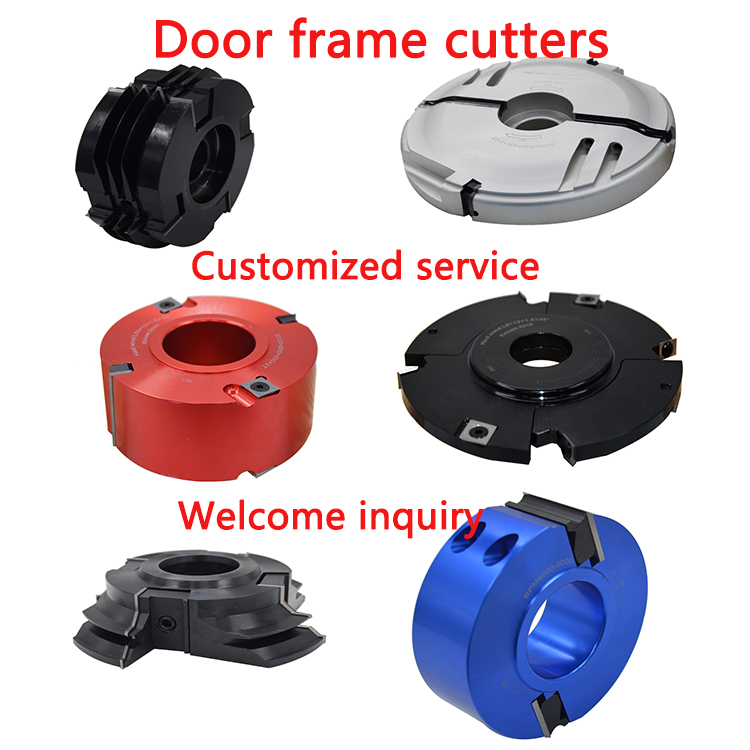
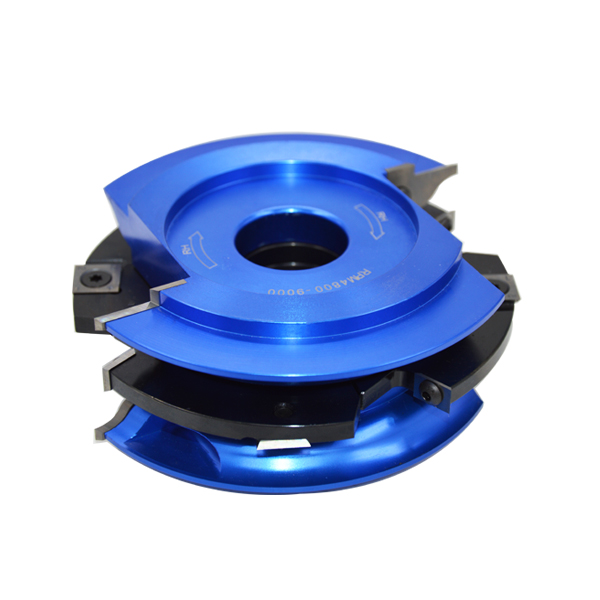
Katika utengenezaji wa miti ya kitaalamu na joinery, ya Door frame cutter is an indispensable tool for producing precise, muafaka wa mlango wa hali ya juu, casings, na trim ya mapambo. Vikataji hivi maalum vya wasifu—mara nyingi vinapatikana kama miundo ya kuingiza inayoweza kutupwa au ya fahirisi—huunda vipengele vyote viwili vya fremu na kulinganisha wasifu wa mapambo kwa ufanisi wa ajabu.. Kisasa Door frame cutter systems, kama zile zinazotolewa na wazalishaji wakuu, combine HW reversible main cutters with precision-engineered bodies to deliver consistent results in high-production environments.
Hata hivyo, hata bora zaidi Door frame cutter inaweza kukumbana na matatizo ya utendakazi inapowekwa kwenye usanidi usiofaa, viwango vya malisho visivyo sahihi, au matengenezo yasiyofaa. Kuelewa kazi zao kuu, kutambua matatizo ya kawaida ya uendeshaji na ufumbuzi wa vitendo, and following essential safety practices ensures you maximize the service life and cutting quality these essential tools provide.

Kazi za Msingi za Door Frame Cutters in Woodworking
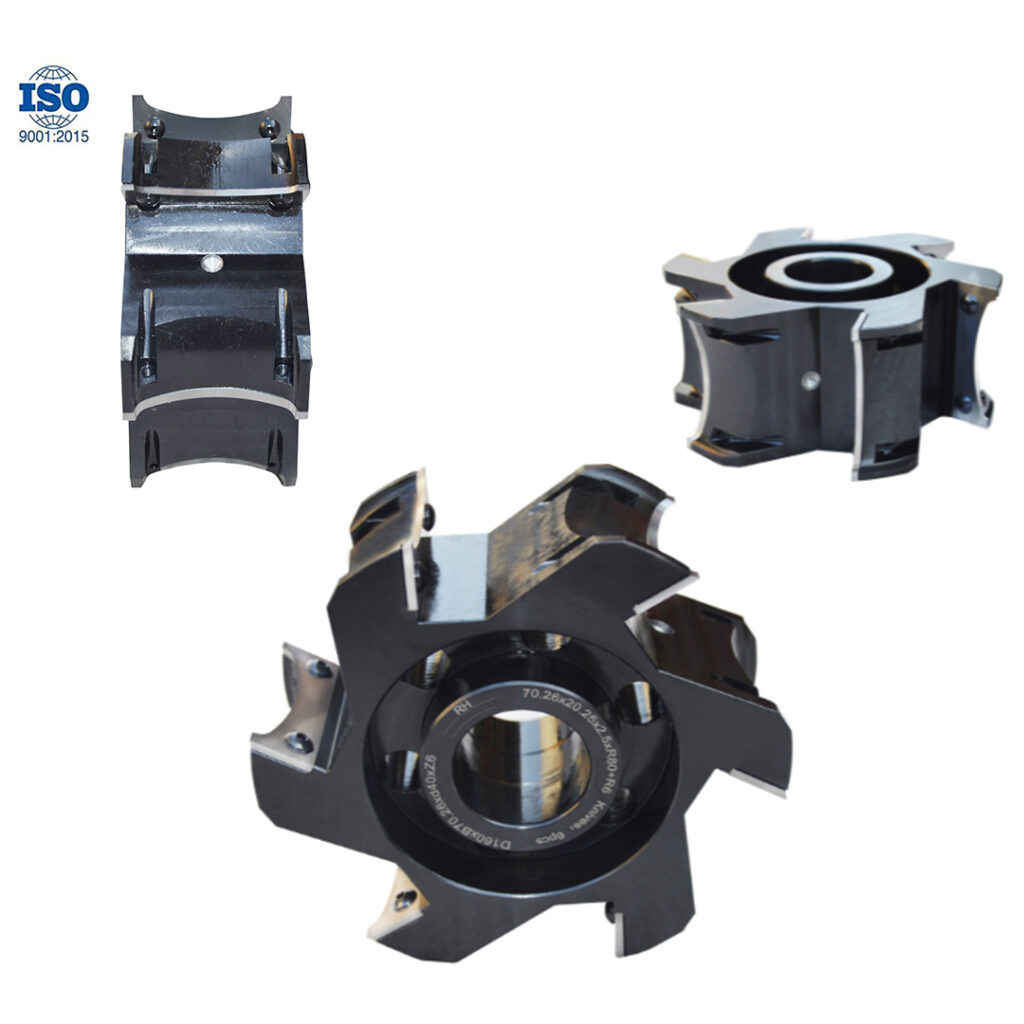
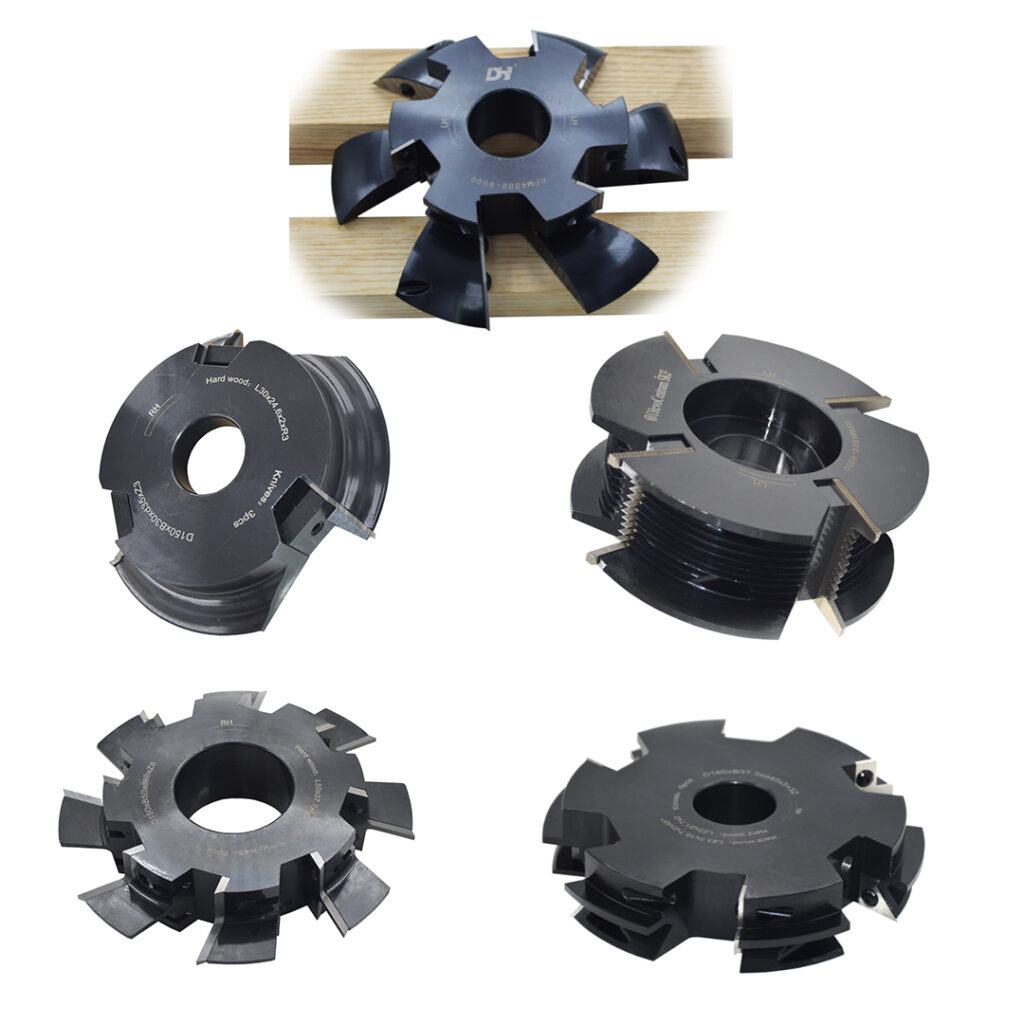
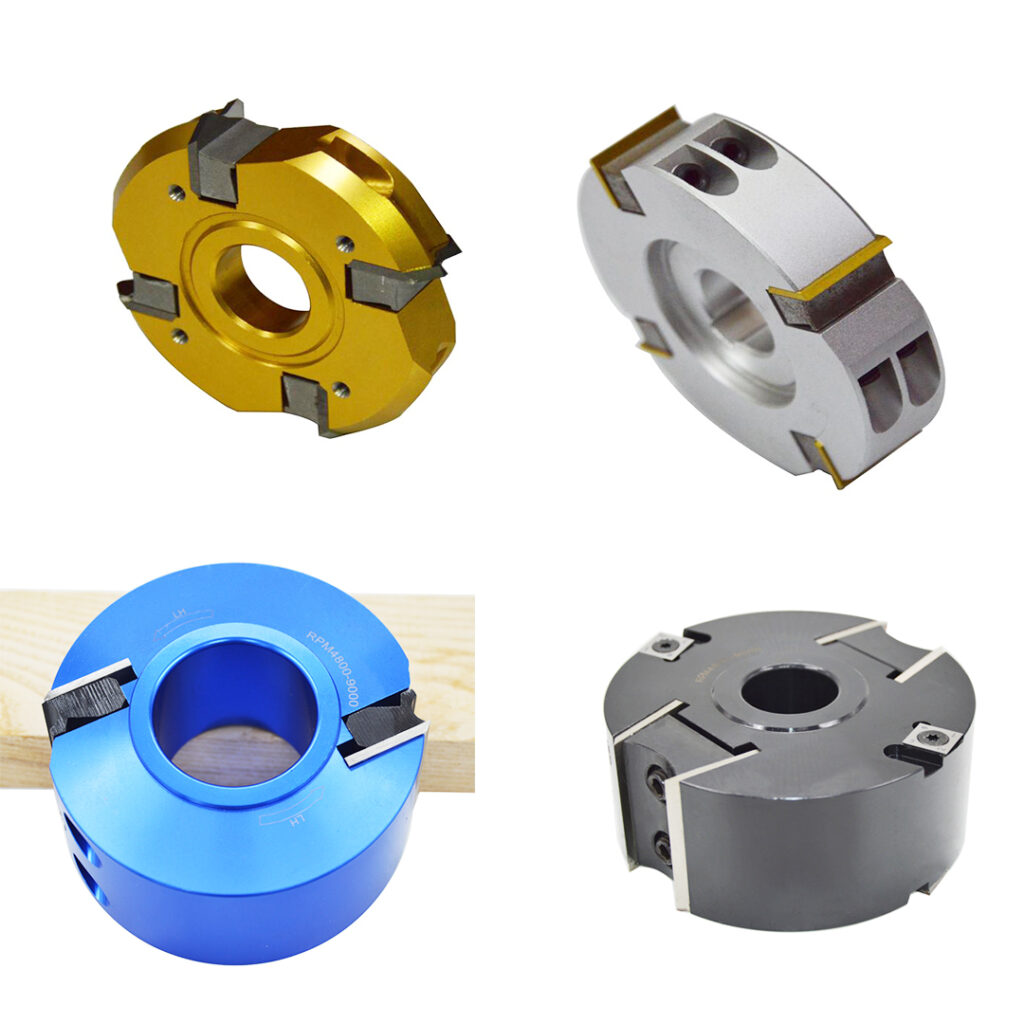
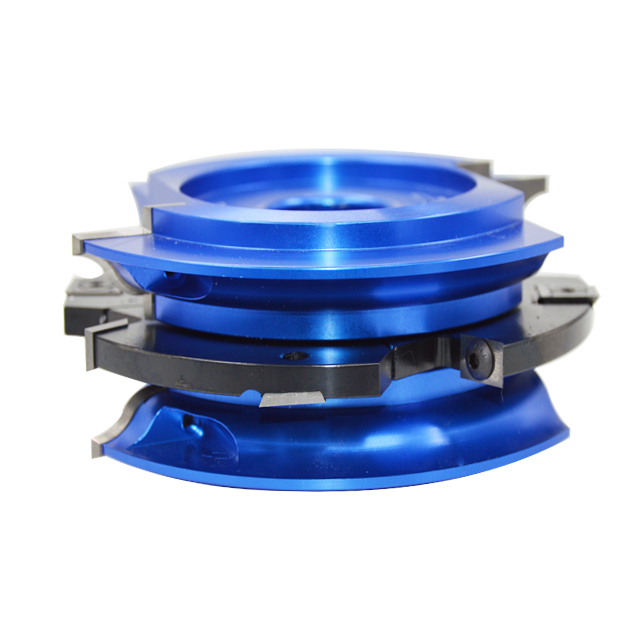
The Door frame cutter serves a specialized function in joinery operations: creating the precise interlocking profiles required for door frames, casings, and matching trim components. In a typical two-step process, these cutters produce connections for frame and trim mouldings with rubber sealing grooves quickly and accurately. The Door frame cutter typically consists of multiple components—including main cutters and profile knives—arranged on a common arbor. Disposable or indexable insert designs feature replaceable carbide or diamond-tipped cutting edges that can be rotated or swapped when dull, dramatically reducing setup time.
Common applications include producing interior door frames, window casings, decorative trim profiles, and cabinet face frames where consistent, visually appealing joints are essential. With sophisticated Door frame cutter sets, operators can complete both frame and trim profiles in just two processing steps.
Matatizo Matano ya Kawaida na Masuluhisho ya Vitendo
Tatizo 1: Inconsistent Joint Fit or Gaps
Moja ya masuala ya kukatisha tamaa na Door frame cutter inazalisha viungo vyenye mapungufu, mpangilio mbaya, au kutoshea vibaya. This typically indicates incorrect cutting depth, fani zilizovaliwa, au zana nyepesi. The issue often originates from improper setup calculations—when the kichwa cha kukata is not calibrated to the specific wood thickness and profile dimensions.
Suluhisho: Kwanza, verify that the Door frame cutter is correctly positioned for your material thickness. The cutting slot centerline must align precisely with the wood thickness centerline to achieve proper interlocking joints. Use a straight edge to check that the machine fence sits flush with the cutter bearing. Pili, kagua viingilio vyote kwenye Door frame cutter for chips or cracks; even one damaged insert affects joint quality. Tatu, replace or rotate dull inserts immediately. For stile and rail applications, ensure the stile bit (which cuts the groove) and rail bit (which cuts the tenon) are matched to the same profile specification.
Tatizo 2: Tear-out, Fuzzing, or Rough Surfaces
Wakati Door frame cutter produces rough, fuzzy, or torn surfaces on frame components, the result compromises both appearance and joint strength. Tear-out is particularly visible on the visible face of doors and frames. Common causes include dull cutters, feed direction issues, or feed speeds that are too slow, kusababisha chombo kusugua badala ya kukatwa.
Suluhisho: Use a consistently sharp kichwa cha kukata—replace or rotate inserts at the first sign of surface degradation. Pili, orient your workpiece consistently with the same face down and follow the grain direction; this ensures the Door frame cutter shears with the wood fibers rather than lifting them.
In production environments using push feeds, ensure feed direction is uniform for all components. Tatu, increase feed speed to produce a thicker chip that carries heat away and prevents burning. For figured woods with reversing grain, reduce the cut depth and take multiple passes using the Door frame cutter.
Tatizo 3: Burnt or Glazed Workpiece Surfaces
Burn marks on cut surfaces indicate excessive friction heat generated by the Door frame cutter. Typical causes include dull inserts, kasi ya kulisha haitoshi, au mkusanyiko wa resin kwenye kingo za kukata. In high-speed applications such as the standard 18,000 RPM for frame cutters, heat buildup becomes a serious quality concern.
Suluhisho: Sharpen or rotate inserts at the first sign of burning. Pili, increase feed speed—feeding too slowly causes the kichwa cha kukata to rub against the workpiece, creating friction and heat.
Tatu, safi ya Door frame cutter thoroughly using specialized cleaners that dissolve pitch and resin without damaging carbide. Nne, verify that the Door frame cutter has the correct hook angle and clearance for your material—standard profiles work for softwoods, but hardwoods may require different geometries.
Tatizo 4: Excessive Vibration or Chatter Marks
Chatter marks across frame components indicate vibration during the machining process. This problem typically results from imbalance, loose inserts, kushikilia chombo kisichofaa, or workpiece instability. Katika Door frame cutter Maombi, vibration is especially problematic because the visible surface of doors and frames must be flawless.
Suluhisho: Stop operation immediately if vibration develops. Check that all inserts on the kichwa cha kukata are securely clamped—loose inserts create imbalance and dangerous flying debris. Pili, verify that the cutter head is properly balanced and that the collet or arbor nut is correctly torqued.
Tatu, inspect the machine spindle and bearings for wear; worn components allow the Door frame cutter to wobble. Nne, ensure the workpiece is firmly supported and clamped during operation. Using a push block with the Door frame cutter improves workpiece stability on cross-grain cuts.
Tatizo 5: Rapid Insert Wear or Chipping
Premature wear or chipping of inserts on the Door frame cutter is costly and disrupts production. This typically occurs when processing abrasive materials, when the cutter encounters foreign objects, or when feed parameters are incorrect. Door frame cutter inserts are often subjected to shock loading from knots, embedded nails, or inconsistent feed.
Suluhisho: Kwanza, ensure you are using the correct insert grade for your material. Standard carbide grades work for clean hardwoods, but abrasive materials like particleboard or laminates may require diamond-tipped Door frame cutter kuingiza. Pili, inspect stock thoroughly for foreign objects before processing. Tatu, reduce feed pressure and avoid forcing the Door frame cutter through knots or dense grain. Hatimaye, establish a regular rotation schedule for inserts, replacing them before dulling compromises quality.
Essential Safety Recommendations for Door Frame Cutters
Kufanya kazi na Door frame cutter requires strict safety discipline due to its multiple rotating cutting edges and high-speed operation. Always wear impact-rated safety glasses or a full face shield—broken carbide inserts or thrown workpieces can cause severe eye injuries. Cut-resistant gloves protect hands during tool changes but must never be worn when operating the machine. Kabla ya kila matumizi, kukagua Door frame cutter kwa kukosa meno, nyufa, au brazing iliyoharibiwa; a compromised cutter can fragment at operating speed.
Never remove safety guards or operate the Door frame cutter without proper dust extraction. Keep hands well clear of the rotating cutter, using push blocks or fixtures when machining small components. For cross-grain operations such as rail end cutting, kuhakikisha Door frame cutter is used with the workpiece flat against the machine table. When changing inserts or adjusting cutters, disconnect power completely. Always use trial cuts on scrap material after resetting the kichwa cha kukata to confirm correct setup before processing final workpieces. Dumisha eneo safi la kazi; accumulated wood chips create fire and slip hazards. Hatimaye, receive proper training on your specific machine’s safety features before operating any kichwa cha kukata.
Hitimisho
The Door frame cutters is an essential tool for producing high-quality door frames, casings, and decorative trim in professional woodworking. By understanding its primary function of creating precise interlocking profiles and recognizing the five common issues outlined above—inconsistent fit, nyuso mbaya, kuungua, mtetemo, and rapid wear—operators can implement practical solutions that restore cutting quality and extend tool life. Mzunguko wa kuingiza mara kwa mara, viwango vya malisho sahihi, kusafisha kabisa, na kuzingatia kanuni za usalama kuhakikisha kwamba Door frame cutters delivers the exceptional results it is designed to provide. Kwa utunzaji sahihi na uendeshaji, this essential tool transforms challenging joinery operations into efficient, michakato thabiti ya uzalishaji.

Kikata Kinachobinafsishwa cha Kipanga Kipanga Kinacho Kina Kichwa Chenye Viingilio vya Carbide