
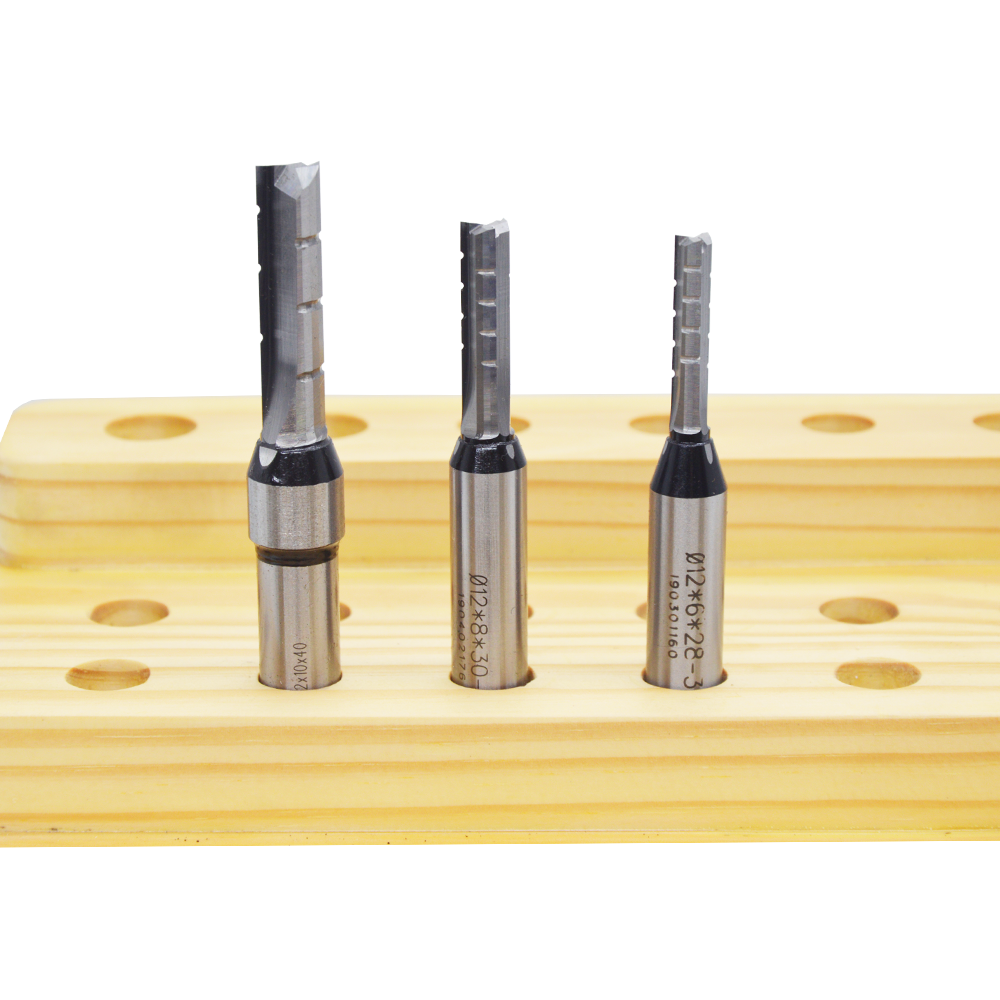
In modern panel processing and furniture manufacturing, TCT router bits have become the essential tooling for cutting and sizing engineered wood panels with precision and efficiency. These tungsten carbide-tipped routers transform large-format boards—plywood, Bodi ya chembe, MDF, and melamine-faced panels—into accurately dimensioned components for cabinets, wardrobes, and flat-pack furniture. Whether you operate a CNC nesting machine or a manual router table, kuelewa ujenzi, aina, na matengenezo ya TCT router bits ensures you achieve clean edges, consistent dimensions, and maximum tool life.
Ujenzi na Utengenezaji: Why It Is Called a Cutting-Off Router
TCT router bits derive their name from two elements: the tungsten carbide alloy that forms their cutting edges, and their primary function—cutting off (开料) panels into required dimensions. Neno “aloi” refers to the sintered composite of tungsten carbide particles bonded with cobalt, a material far harder than high-speed steel yet tough enough to withstand the interrupted cutting forces of panel machining.
The router body is typically made from hardened alloy steel, precision ground and balanced for high-speed rotation. The carbide cutting edges are brazed onto the body using specialized techniques, then precision ground with diamond wheels to achieve the exact flute geometry, pembe ya tafuta, na umaliziaji wa uso unahitajika kwa programu mahususi. This bimetallic construction gives TCT router bits majina yao na sifa zao bainifu za utendaji.
Aina Mbili Kuu: Straight Flute and Chip-Breaker Designs
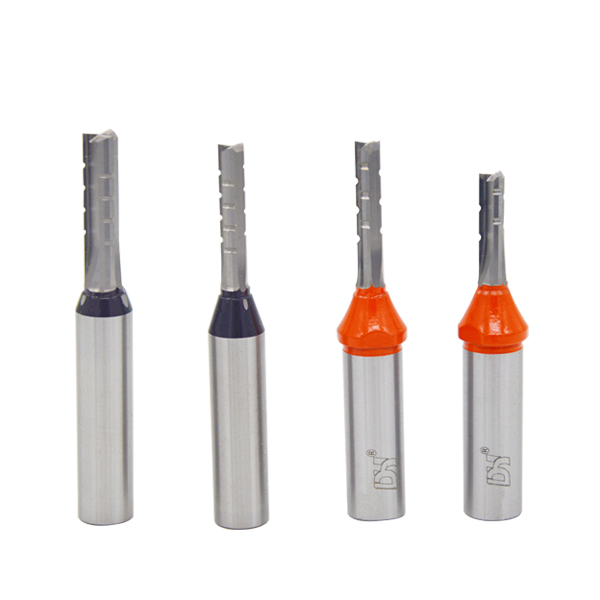
TCT router bits for panel cutting fall into two primary configurations, each suited to different materials and cutting requirements.
Three-flute straight cutting TCT router bits feature continuous, uninterrupted cutting edges without chip-breaker grooves. The continuous edge shears cleanly through the layers of plywood and multi-layer boards, preventing inter-layer fuzzing and delivering smooth sidewalls. These bits are the first choice for solid wood plywood, eucalyptus plywood, and veneered multi-layer panels. Common specifications include 6mm shank diameter with cutting diameters matched to panel thickness, typically 12mm to 20mm for standard 18mm panels.
Three-flute chip-breaker TCT router bits feature transverse grooves along the cutting edge that pre-cut chips into smaller fragments. This design excels on particleboard and melamine-faced chipboard—the transverse edges break up the coarse particles before they can pack the flutes, preventing chip clogging, mtetemo, and bottom-edge blowout. For high-gloss PET-faced particleboard, compound up-down spiral TCT router bits offer the best protection, with the up-cut section lifting chips and the down-cut section pressing the surface, protecting both faces from chipping. These chip-breaker designs are the most universal choice for custom furniture production.
Maombi na Utendaji: Wapi TCT Router Bits Excel
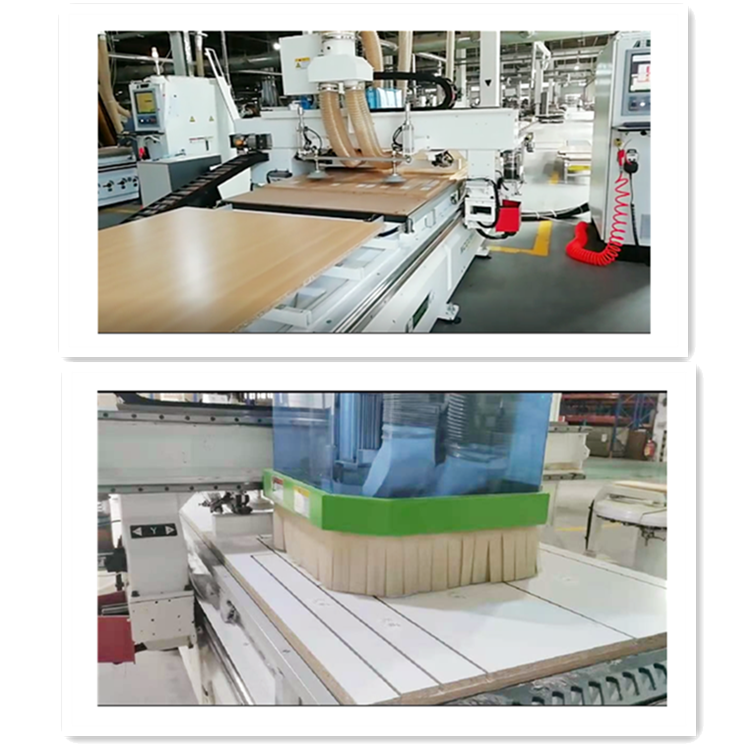
TCT router bits deliver exceptional results across a wide range of panel cutting applications. Their primary function is sizing and dimensioning panels—cutting large boards into cabinet components with clean, square edges ready for edge banding or assembly.
For plywood and multi-layer boards, three-flute straight TCT router bits produce smooth cross-sections without inter-layer fuzzing, making them ideal for exposed-edge applications. Operating parameters typically call for spindle speeds of 18,000 kwa 24,000 RPM with feed rates of 12 kwa 15 metres per minute on standard 18mm panels. For particleboard and melamine-faced panels, three-flute chip-breaker TCT router bits prevent chip packing and bottom-edge breakout, running at feed rates of 14 kwa 18 metres per minute. For high-gloss and veneered panels requiring double-face protection, compound spiral TCT router bits run at slower feed rates of 8 kwa 10 metres per minute to preserve surface integrity.
Kingo za kukata carbide hudumisha ukali kupitia nyenzo za paneli za abrasive kwa muda mrefu zaidi kuliko mbadala za chuma za kasi ya juu.. This extended tool life reduces downtime for tool changes and ensures consistent edge quality throughout long production runs. TCT router bits pia kufanya kwa ufanisi juu ya mbao imara na vipengele vya plastiki, kuzifanya kuwa zana zenye matumizi mengi kwa warsha za nyenzo mchanganyiko.

Alloy Versus Standard Router Bits: Kuelewa Faida
While standard high-speed steel router bits serve basic routing applications, TCT router bits kutoa faida za kimsingi zinazobadilisha uchumi wa uzalishaji. Standard steel bits dull rapidly when cutting abrasive engineered panels—the resin and mineral content in particleboard and MDF destroys steel edges within hours.
Faida ya msingi ya TCT router bits iko katika ugumu uliokithiri wa aloi ya tungsten carbide. This material maintains its cutting edge dramatically longer than steel—typically ten to twenty times longer under comparable conditions. For a busy panel processing line, this means tool changes once every few weeks instead of once every few hours. The reduced downtime directly improves productivity and throughput.
Cut quality represents another advantage. Ugumu na upinzani wa kuvaa kwa carbudi inaruhusu TCT router bits to maintain precise flute geometry throughout their service life, producing consistent edge quality from the first panel to the thousandth. Steel bits gradually dull, causing edge quality to deteriorate progressively—fuzzing, chipping, and burn marks appear as the edge wears. Zaidi ya hayo, TCT router bits resist the heat buildup that causes steel bits to lose temper and dull prematurely.
Faida ya Chapa ya DH: Utoaji wa Haraka, Custom Service, and Engineering Support
For panel processors seeking the ultimate in cutting performance, Chapa ya DH TCT router bits kutoa faida za kulazimisha zilizojengwa juu ya miongo kadhaa ya utaalam wa zana. DH understands that every production line has unique requirements—which is why we offer comprehensive customization services for router bits and their matching tool holders.
DH TCT router bits zinapatikana katika safu kamili ya saizi kuendana na mashine na programu yoyote, from standard 6mm shank panel cutters to specialized configurations for thick panels and composite materials. We produce custom flute geometries, cutting diameters, and shank sizes to meet your exact specifications. Our advanced carbide materials and precision manufacturing deliver exceptional wear resistance, kupanua maisha ya zana na kupunguza mzunguko wa mabadiliko.
With optimized production scheduling and inventory management, DH huhakikisha uwasilishaji haraka ili utayarishaji wako usisubiri kuwekewa zana. Our experienced engineers provide professional guidance on tool selection, operating parameters, and maintenance schedules—helping you optimize cutting quality and minimize costs. Whether you need a single custom router bit or a full production run, DH hutoa TCT router bits ambayo hufanya operesheni yako iendelee kwa ufanisi.
Matengenezo: Extending the Life of Your TCT Router Bits
Hata bora zaidi TCT router bits zinahitaji utunzaji wa utaratibu ili kufikia maisha yao ya huduma. Usafishaji sahihi ni kati ya mambo muhimu zaidi - resin, lami, na mkusanyiko wa wambiso kwenye kingo za kukata huongeza msuguano na joto, kuongeza kasi ya kuvaa. Clean bits regularly using soft brushes and mild cleaning solutions, avoiding abrasive cleaners that could damage the carbide edges. For plywood and particleboard cutting, the glue layers and resin content accelerate edge dulling—regular polishing and cleaning prevent the “cutting hotter and hotter” condition that leads to burn marks.
Proper operating parameters significantly affect TCT router bits maisha marefu. Tumia kasi ya juu ya spindle na viwango vya wastani vya malisho-mchanganyiko huu hutoa mikato safi huku ukipunguza joto na mkazo kwenye ukingo wa carbudi.. Kulisha polepole sana husababisha kusugua na kuongezeka kwa joto; kulisha kwa ukali sana kunahatarisha kukata carbudi brittle. For plywood, maintain feed rates of 12 kwa 15 metres per minute; for particleboard chip-breaker bits, 14 kwa 18 metres per minute; for compound spiral bits on veneered panels, 8 kwa 10 metres per minute. Always use sharp bits—dull TCT router bits generate excessive heat and produce poor edge quality.
Kushughulikia TCT router bits kwa uangalifu wakati wa ufungaji na kuondolewa. Carbide ni ngumu lakini brittle; dropping a bit or striking it against a hard surface can chip the cutting edges. Store bits in protective cases or holders that prevent contact between carbide edges. Keep bits clean and lightly oiled to prevent corrosion of the steel body during storage. Wakati kuimarisha upya inakuwa muhimu, tumia huduma iliyohitimu na vifaa vya kusaga almasi. Kujaribu kunoa TCT router bits with conventional grinding wheels damages the carbide edges. Professional sharpening maintains the precise geometry essential for quality cuts.
Hitimisho
TCT router bits represent the standard for precision panel cutting in modern furniture manufacturing. Their tungsten carbide alloy edges deliver exceptional wear resistance and cutting accuracy across plywood, Bodi ya chembe, MDF, and melamine-faced panels. Available in straight-flute and chip-breaker configurations, these bits handle multi-layer boards, Bodi ya chembe, and high-gloss veneered panels with equal effectiveness.
The advantages over standard steel bits—extended life, ubora thabiti, na kupunguza muda wa kupumzika-kuwafanya uwekezaji wa busara kwa warsha za kitaaluma. With DH brand’s commitment to full-size availability, custom manufacturing, utoaji wa haraka, and professional engineering support, you gain a partner dedicated to optimizing your panel cutting operations. Pamoja na kusafisha sahihi, vigezo sahihi vya uendeshaji, utunzaji makini, na kunoa kitaalamu, ubora TCT router bits provide reliable service that keeps production flowing and edge quality consistent.