
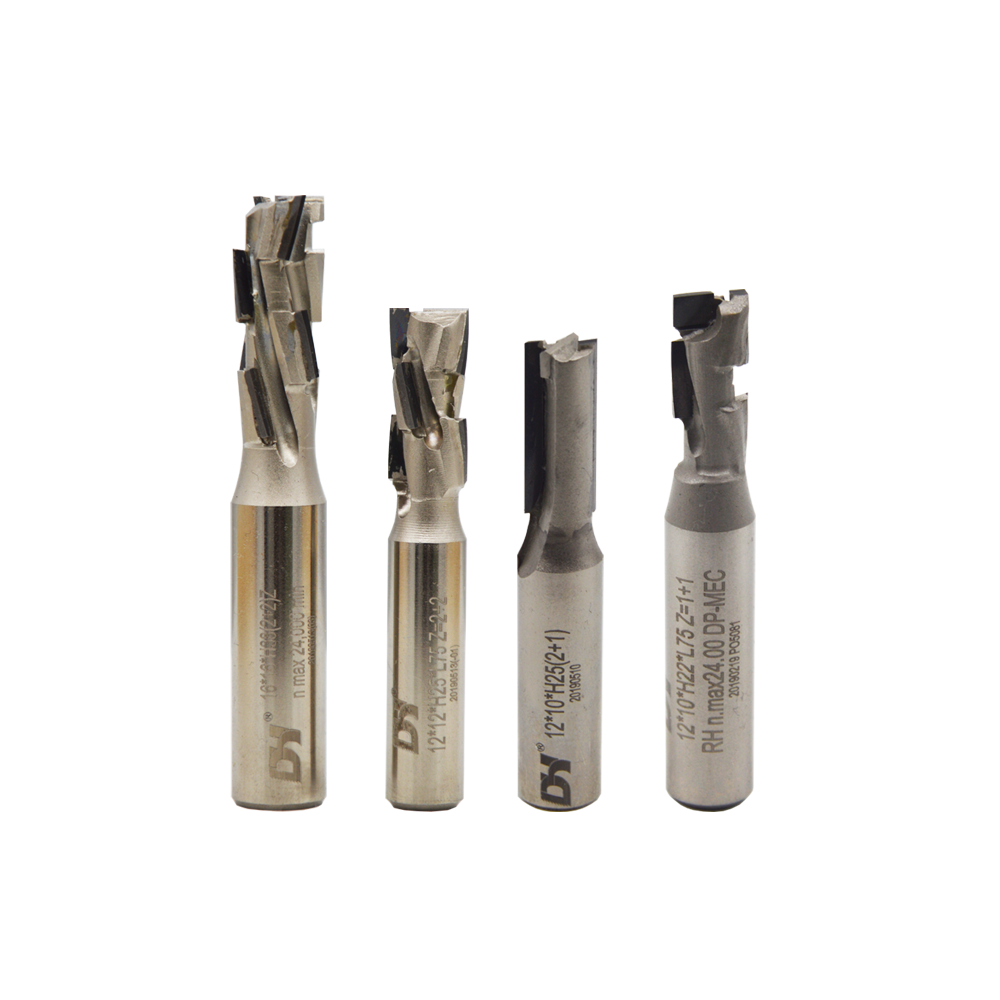

Katika utengenezaji wa miti ya juu na usindikaji wa paneli, Vipande vya router ya PCD kuwakilisha uwekezaji wa mwisho kwa tija na ubora wa uso. Zana hizi zenye ncha ya almasi ya polycrystalline hutoa upinzani wa ajabu wa kuvaa, mara nyingi hudumu 50 kwa 100 muda mrefu zaidi kuliko mbadala wa carbudi wakati wa usindikaji wa vifaa vya abrasive.
Hata hivyo, hata bora zaidi Vipande vya router ya PCD inaweza kufanya vibaya au kushindwa mapema inapotumiwa vibaya, mipasho isiyo sahihi, au matengenezo yasiyofaa. Kuelewa kazi za msingi za zana hizi zinazolipiwa, kutambua matatizo ya kawaida ya uendeshaji na ufumbuzi wa vitendo, na kufuata mazoea muhimu ya usalama huhakikisha kuwa unaboresha maisha yao ya huduma ya kipekee na kudumisha ubora thabiti wa kukata.
Kazi za Msingi za Biti za Njia ya PCD katika Utengenezaji mbao
Biti za kipanga njia cha PCD hutumikia programu maalum ambapo zana za kawaida za kaboni haziwezi kutoa maisha ya chombo au umaliziaji wa uso unaokubalika. Kazi yao kuu inahusisha usindikaji wa vifaa vya abrasive sana ikiwa ni pamoja na fiberboard ya kati (MDF), Bodi ya chembe, laminates ya shinikizo la juu, na bidhaa za sakafu zilizotengenezwa zenye faini za oksidi za alumini. Ugumu uliokithiri wa almasi ya polycrystalline—ya pili kwa almasi asilia—huruhusu biti za kipanga njia cha PCD kudumisha kingo za kukata na wembe kupitia maelfu ya mita za mstari wa nyenzo hizi zinazohitajika..
Maombi ya kawaida ni pamoja na shughuli za kuweka kiota kwenye vipanga njia vya CNC, maelezo mafupi kwa milango ya kabati, grooving kwa inlays mapambo, na kupunguza paneli za laminated ambapo kingo zisizo na chip ni muhimu. Kwa wazalishaji wanaozalisha RTA (tayari-kukusanyika) samani,Milango ya baraza la mawaziri, au bidhaa za sakafu, Vipande vya router ya PCD toa usahihi thabiti unaohitajika kwa njia za uzalishaji kiotomatiki huku ukipunguza muda wa matumizi wa gharama kubwa wa kubadilisha zana.

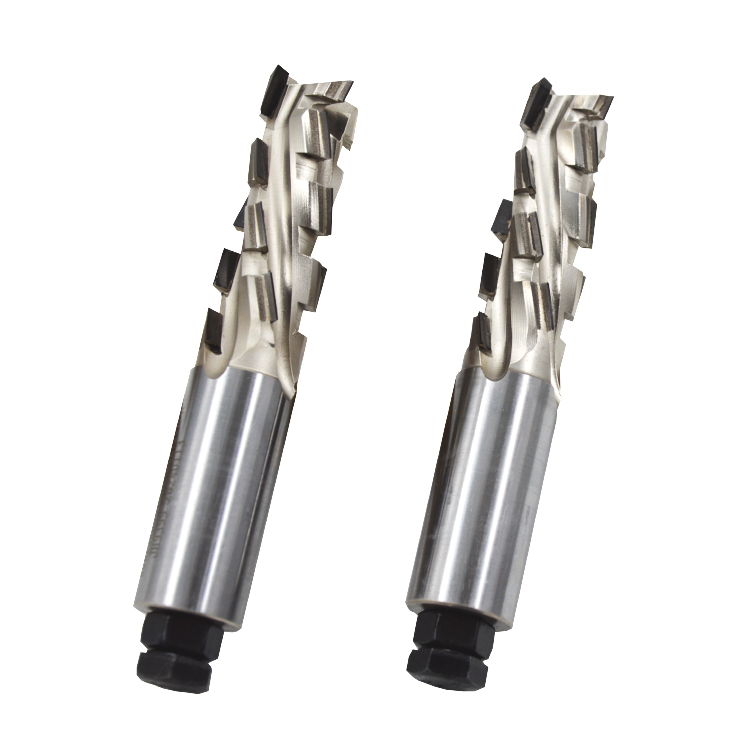
Matatizo Matano ya Kawaida na Masuluhisho ya Vitendo
Tatizo 1: Pembe za Kukata Zilizokatwa au Zilizovunjika
Moja ya masuala ya kukatisha tamaa na Vipande vya router ya PCD ni kugundua chips ndogo au mivunjiko kamili kando ya ukingo wa almasi. Hii kwa kawaida hutokea wakati chombo hukutana na mizigo ya athari ya ghafla-kupiga misumari iliyopachikwa, kikuu, au mafundo katika mbao ngumu, au mashine inapoharakisha kwa ukali sana hadi kwenye nyenzo mnene.
Suluhisho: Kwanza, kutekeleza itifaki kali za ukaguzi wa sehemu ya kazi ili kutambua na kuondoa vitu vyovyote vya kigeni kabla ya kutengeneza. Pili, punguza kasi ya kurukaruka wakati wa kutumbukia kwenye nyenzo; Biti za vipanga njia vya PCD hufanya kazi vyema zaidi kwa kuingia taratibu badala ya miporomoko ya wima yenye fujo. Tatu, thibitisha kuwa kipanga njia chako cha CNC kina mipangilio ifaayo ya kuongeza kasi na kupunguza kasi—nguvu nyingi kupita kiasi zinaweza kuvunja safu ya almasi.. Hatimaye, fikiria kupunguza mzigo wa chip kwa jino; wakati biti za kipanga njia cha PCD zinaweza kushughulikia kupunguzwa kwa uzito, milisho yenye ukali kupita kiasi hualika kukatwa kwa makali. Kwa maombi yenye matatizo, chagua biti za ruta za PCD zilizo na jiometri ya ukingo iliyoimarishwa iliyoundwa mahsusi kwa ukinzani wa athari.
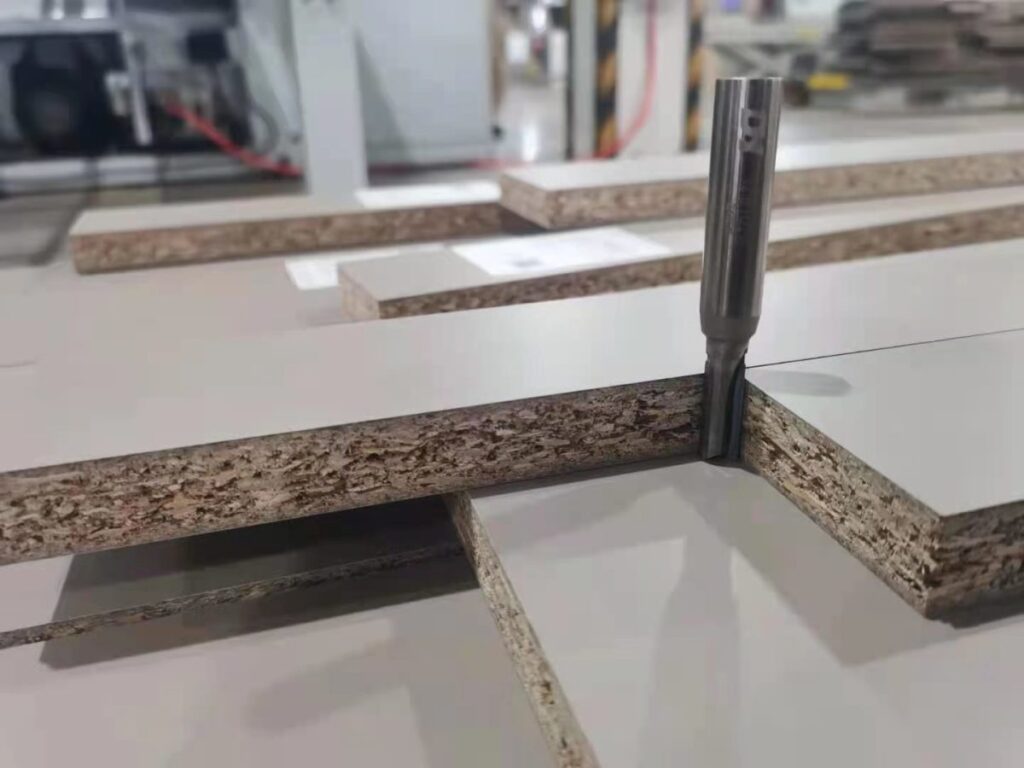
Tatizo 2: Alama duni za Kumaliza au Kuchoma kwenye uso
Wakati Vipande vya router ya PCD kuondoka nyuso mbaya, alama za kuchoma, au mistari inayoonekana ya zana, suala mara nyingi linahusiana na kutolingana kwa kasi ya malisho, mkusanyiko wa resin, au mzunguko wa spindle. Tatizo hili hushinda madhumuni ya kutumia zana za almasi za kumalizia kumaliza ubora.
Suluhisho: Angalia uwiano wako wa mlisho kwa kasi kwanza. Biti za kipanga njia za PCD zinahitaji upakiaji wa kutosha wa chip ili kufanya kazi vizuri-kulisha polepole husababisha msuguano bila uundaji mzuri wa chip., kuzalisha joto linalochoma workpiece. Ongeza kiwango cha malisho au punguza spindle RPM ili kufikia unene wa chip unaopendekezwa. Pili, safisha chombo vizuri; utomvu na mkusanyiko wa lami kwenye kingo za kukata huharibu kwa kiasi kikubwa umaliziaji wa uso. Tumia visafishaji maalum vya zana za almasi ambavyo huondoa gundi bila kuharibu CARBIDE au nyuso za almasi. Tatu, kagua spindle yako na kishikilia zana kwa kukimbia; hata 0.01mm ya kukimbia itatoa faini zisizokubalika na bits za kipanga njia cha PCD. Badilisha koleti zilizochakaa na safisha tapers mara kwa mara.
Tatizo 3: Upungufu wa Mapema au Kupoteza Makali ya Kukata
Wakati biti za ruta za PCD zinajulikana kwa ukinzani wa ajabu wa uvaaji, waendeshaji wakati mwingine hupata usumbufu unaoonekana mapema. Hii kwa kawaida huonyesha nyenzo za uchakataji zaidi ya vipimo vya zana au kufanya kazi kwa vigezo visivyo sahihi kwa muda mrefu.
Suluhisho: Thibitisha kuwa maombi yako yanahitaji kweli Vipande vya router ya PCD- baadhi ya nyenzo, hasa zile zilizo na vichujio vya madini au maudhui yaliyosindikwa, inaweza kuvaa almasi kupitia uharibifu wa kemikali. Pili, hakikisha baridi au uchimbaji wa vumbi vya kutosha; kuongezeka kwa joto kutokana na uondoaji duni wa chip huharakisha uchakavu wa makali. Tatu, kagua viwango vya mipasho yako vilivyoratibiwa; kukimbia polepole sana kunasababisha njaa eneo la kukata chips, kusababisha chombo kusugua badala ya kukatwa. Biti za ruta za PCD zinahitaji hatua nzuri ya kukata na unene unaofaa wa chip. Hatimaye, anzisha ratiba ya kusawazisha na mtoa huduma aliyehitimu wa zana za almasi—hata zana za PCD za hali ya juu hatimaye zinahitaji uundaji upya wa kitaalamu.

Tatizo 4: Mtetemo au Gumzo Kupita Kiasi
Mtetemo wakati wa shughuli za uelekezaji huharibika Vipande vya router ya PCD, hupunguza maisha ya spindle, na hutoa ubora wa uso usiokubalika. Tatizo hili kwa kawaida linatokana na usawa, kushikilia chombo kisichofaa, au masuala ya ugumu wa mashine.
Suluhisho: Weka kila kipanga njia cha PCD kiwe na usawazishaji, hasa kwa zana zaidi ya 20mm kipenyo au uendeshaji juu 12,000 RPM. Badilisha zana yoyote inayoonyesha dalili za usawa. Pili, hakikisha kishikilia chombo chako na kusanyiko la koleo ni safi na linafaa kwa saizi ya shank ya zana-kutumia koleti zisizo na ukubwa au zilizochakaa huruhusu harakati za zana zinazosababisha mtetemo.. Tatu, chunguza gantry yako ya CNC na mlima wa spindle kwa ulegevu au uchakavu; Biti za kipanga njia cha PCD hudai majukwaa ya mashine ngumu. Punguza kina cha kukata na chukua pasi nyingi badala ya kupunguzwa kwa uzito mmoja ikiwa mashine haina ugumu wa kutosha.
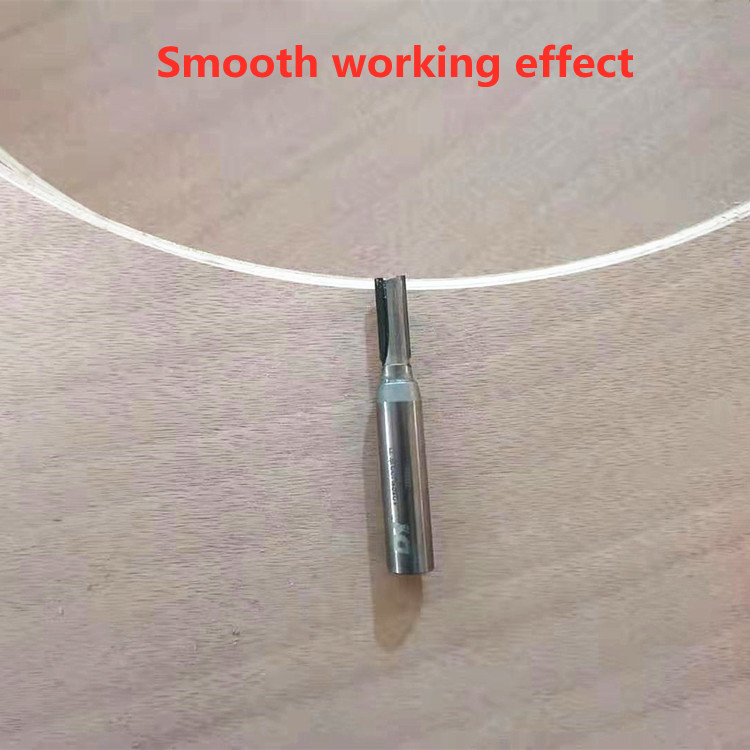
Tatizo 5: Ugumu na Uokoaji wa Chip
Wakati chips pakiti karibu PCD router bits, kupunguza ufanisi wa kushuka na ongezeko la joto huharakisha. Tatizo hili hutokea mara kwa mara wakati wa usindikaji wa vifaa vya resinous au wambiso-coated, au unapotumia zana zisizo na kibali cha kutosha cha filimbi.
Suluhisho: Chagua vipande vya kipanga njia cha PCD vilivyo na jiometri ya filimbi iliyoboreshwa kwa ajili ya programu yako mahususi—zana zilizoundwa kwa ajili ya MDF zina mahitaji tofauti ya kibali cha chip kuliko zile za mbao ngumu.. Ongeza mtiririko wa hewa wa uchimbaji wa vumbi na vifuniko vya uchimbaji wa nafasi karibu na eneo la kukata. Kwa kupunguzwa kwa kina, zingatia kutumia biti za kipanga njia za PCD zilizo na vipengele vya kuvunja chip au kupunguza kina kwa kila pasi ili kuruhusu chips kufuta. Omba matibabu ya mipako isiyo na fimbo kwenye chombo ikiwa unachakata hasa nyenzo za kunata. Usiruhusu kamwe chips kuzunguka tena kwenye eneo lililokatwa, kwani hii husababisha uchakavu mwingi wa makali na umaliziaji duni.
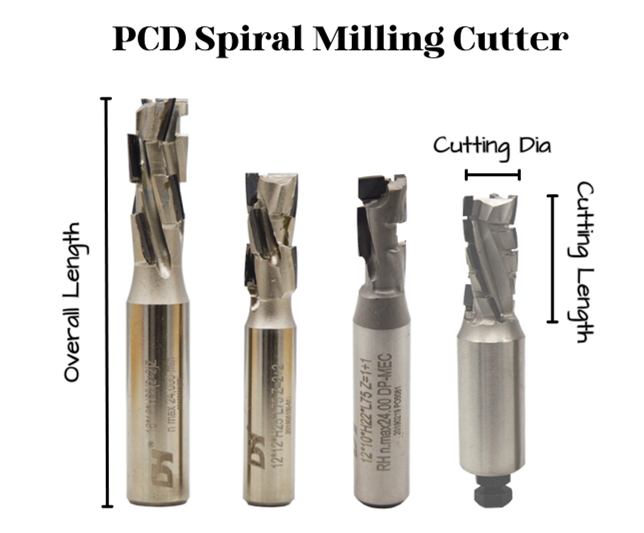
Mapendekezo Muhimu ya Usalama kwa Biti za Njia ya PCD
Kufanya kazi na bits za kipanga njia za PCD kunahitaji ufahamu zaidi wa usalama kwa sababu ya ukali wao uliokithiri na mazingira ya nishati ya juu ambapo hufanya kazi.. Vaa miwani ya usalama iliyokadiriwa kuathiriwa kila wakati au ngao kamili ya uso—ncha ya almasi iliyovunjika ikitolewa kwa kasi kubwa inaweza kusababisha majeraha makubwa ya jicho.. Glovu zinazostahimili kukatwa ni muhimu wakati wa kubadilisha na kusafisha zana lakini hazipaswi kuvaliwa kamwe wakati spindle inazunguka.. Kabla ya kusakinisha bits za kipanga njia cha PCD, kagua nyufa zinazoonekana, kulegea huru, au vijiti vilivyoharibiwa; Tupa zana yoyote inayoonyesha dalili za maelewano. Salama workpieces kwa nguvu kwa kutumia clamps, maganda ya utupu, au fixtures-harakati yoyote wakati wa machining inaweza kusababisha kuvunjika kwa chombo na ejection workpiece.
Dumisha mkusanyiko sahihi wa vumbi; chembe laini zinazopeperuka hewani kutoka kwa nyenzo zenye mchanganyiko zinaweza kuwa hatari za kupumua. Kamwe usizidi kiwango cha juu zaidi cha ukadiriaji wa RPM uliochongwa kwenye sehemu ya biti ya kipanga njia cha PCD, kwani kasi ya kupita kiasi inahatarisha kugawanyika kwa janga. Wakati wa kubadilisha zana, ondoa nguvu kwenye spindle kabisa badala ya kutegemea kitufe cha kusitisha cha mashine pekee. Hatimaye, pata mafunzo ya kina kuhusu vipengele mahususi vya usalama vya kipanga njia chako cha CNC na taratibu za kusimamisha dharura kabla ya kufanya kazi na vibati vya kipanga njia cha PCD.


Hitimisho
Biti za kipanga njia za PCD hutoa utendaji wa kipekee na maisha marefu katika uombaji wa kazi za mbao, lakini zinahitaji matumizi sahihi ili kutambua uwezo wao kamili. Kwa kuelewa kazi zao za msingi katika kuchakata nyenzo za abrasive na kutambua masuala matano ya kawaida yaliyoainishwa hapo juu—kingo zilizochimbwa., kumaliza vibaya, kuteleza mapema, mtetemo, na kufunga chip-waendeshaji wanaweza kutekeleza ufumbuzi wa vitendo ambao hurejesha ubora wa kukata na kupanua maisha ya chombo. Ukaguzi wa mara kwa mara, vigezo sahihi vya kulisha, kusafisha sahihi, na uzingatiaji wa kanuni za usalama huhakikisha kuwa vipanga njia vya PCD vinatoa faida iliyosalia kwenye uwekezaji ambavyo vimeundwa kuwasilisha.. Kwa utunzaji sahihi na uendeshaji, zana hizi za almasi za hali ya juu hubadilisha shughuli za uchapaji zenye changamoto kuwa bora, michakato thabiti ya uzalishaji.
Kipimo cha Njia ya Mfinyazo wa Kupunguza Juu na Chini ya PCD kwa Logi ya Mbao ya Mbao