
In professional woodworking and industrial cutting, TCT-Bandsägeblätter are prized for their exceptional durability and ability to cut abrasive materials like MDF, Spanplatte, and hardwoods. Jedoch, even these premium tools can encounter performance issues when used improperly. Understanding common problems and their solutions not only extends blade life but also ensures cut quality and operational safety. This article covers the essential functions of TCT-Bandsägeblätter, five frequent issues with practical fixes, and key safety recommendations.
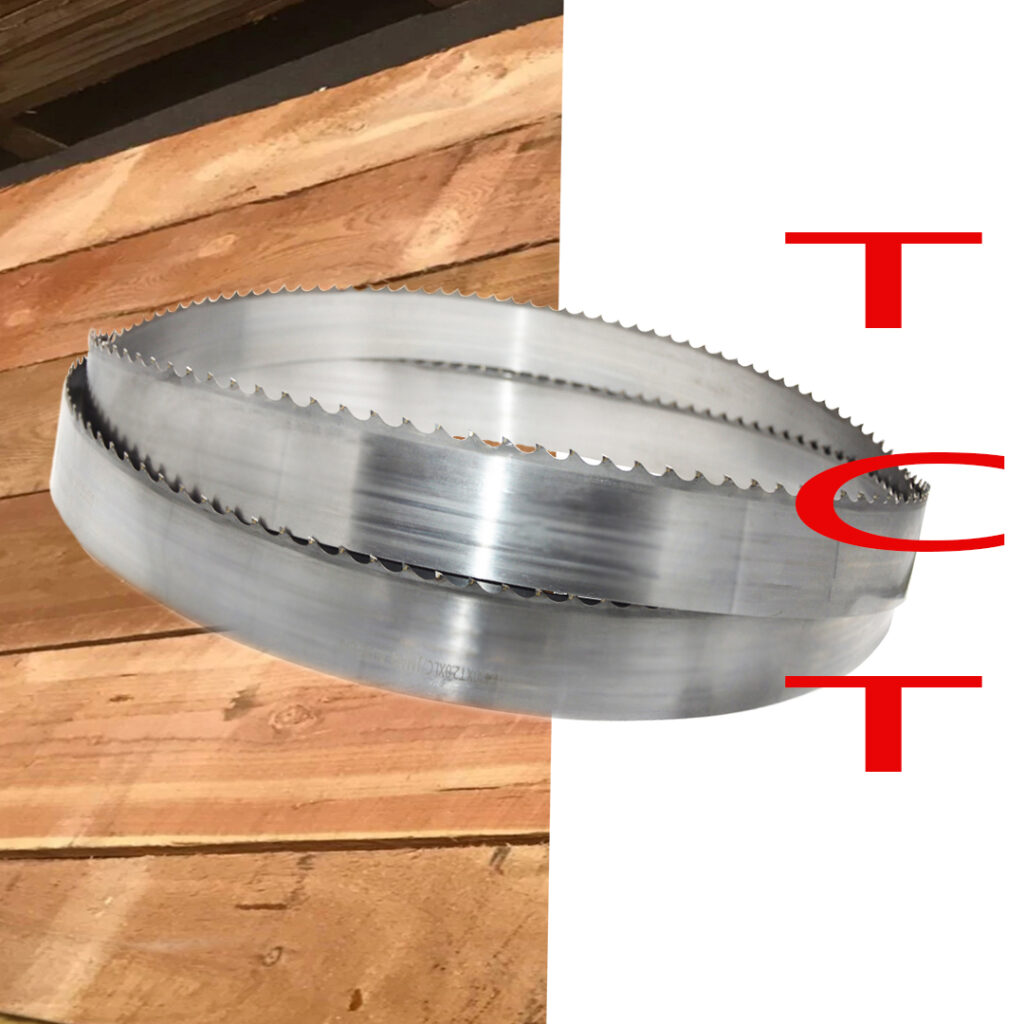

Hauptfunktionen von TCT Band Saw Blades in der Holzbearbeitung
TCT-Bandsägeblätter serve a critical role in modern woodworking, particularly where standard carbon or bi-metal blades fall short. Their tungsten carbide-tipped teeth maintain sharpness when cutting abrasive engineered woods, Laminate, and exotic hardwoods containing silica. Im Gegensatz zu herkömmlichen Klingen, die in diesen Materialien schnell stumpf werden, TCT-Bandsägeblätter deliver clean, consistent cuts over extended production runs. Zu den häufigsten Anwendungen gehört das Nachsägen wertvoller Harthölzer, contour cutting in furniture manufacturing, and processing large volumes of composite panels where blade changes would otherwise cause costly downtime.


Belt Cut Roll Carbide Tipped Coil Cutting Guide Bandsägeblatt für großes hartes Holz
Fünf häufige Probleme und praktische Lösungen
Problem 1: Premature Tooth Wear or Chipping
One of the most frequent complaints with TCT-Bandsägeblätter is teeth wearing down faster than expected or developing small chips along the cutting edge. This typically occurs when the blade encounters embedded debris, Nägel, or excessive heat buildup from improper feed rates.
Lösung: Erste, inspect your workpiece for foreign objects before cutting. Zweite, adjust your feed pressure—forcing material too aggressively into the blade generates excess heat that softens the brazing material holding carbide tips. Reduce feed rate slightly while maintaining steady pressure. If the problem persists, verify that your blade speed matches the material being cut; harder materials require slower speeds. Endlich, ensure adequate chip removal, as packed sawdust traps heat against the teeth.
Problem 2: Wandernde oder gebogene Schnitte
Wann TCT-Bandsägeblätter begin cutting off the intended line, Das Problem hängt oft mit der Klingenspannung zusammen, Zahngarnitur, oder Führungsausrichtung. Eine seitlich abdriftende Klinge erzeugt Materialverschwendung und beeinträchtigt die Teilegenauigkeit.
Lösung: Check blade tension first—under-tensioned blades wander unpredictably. Consult your machine manual for correct tension settings, Stellen Sie dann sicher, dass die Führungslager richtig nahe am Sägeblatt positioniert sind, ohne es einzuklemmen. Inspect the tooth set pattern; if one side shows uneven wear, the blade may have been damaged during installation or storage. Replace blades that show visible set irregularities. Zusätzlich, Stellen Sie sicher, dass Ihre Vorschubrichtung der natürlichen Schneidtendenz der Klinge folgt und keinen seitlichen Druck erzwingt.

Problem 3: Raue oder ausgefranste Schnittflächen
Poor surface finish defeats the purpose of using premium TCT-Bandsägeblätter. Raue Kanten erfordern zusätzliches Schleifen und verringern die Produktionseffizienz. Dieses Problem ist in der Regel auf stumpfe Zähne zurückzuführen, falsche Zahnteilung, oder unzureichende Messergeschwindigkeit.
Lösung: Replace or resharpen the blade at the first sign of surface degradation. Für TCT-Bandsägeblätter, resharpening requires specialized diamond wheels—attempting standard grinding damages carbide tips. Also evaluate your tooth pitch selection; Feine Abstände führen zu glatteren Oberflächen, schneiden aber langsamer, während grobe Abstände das Material schneller entfernen, aber rauere Oberflächen hinterlassen. For most hardwoods and composites, eine mittlere Tonhöhe (4-6 Zähne pro Zoll) gleicht Oberflächenqualität und Schnittgeschwindigkeit aus. Endlich, Erhöhen Sie die Klingengeschwindigkeit, wenn Ihre Maschine dies zulässt, da höhere Umfangsgeschwindigkeiten im Allgemeinen die Oberflächengüte verbessern.
Problem 4: Übermäßige Vibration oder Rattern
Vibration during cutting not only produces wavy surfaces but also stresses the blade and machine components. TCT-Bandsägeblätter are particularly sensitive to vibration because carbide is hard but brittle.
Lösung: Start by checking wheel condition—worn or uneven rubber tires cause blade flutter. Entfernen Sie alle angesammelten Rückstände von den Radoberflächen. Nächste, Stellen Sie sicher, dass die Klingenschweißnaht glatt ist; Eine schlecht verarbeitete Schweißverbindung erzeugt eine rhythmische, pochende Vibration. Reduzieren Sie den Vorschubdruck, wenn Sie zu aggressiv schieben, da starke Vorschübe zu einer Durchbiegung und einem Flattern der Klinge führen. Endlich, Stellen Sie sicher, dass die Klingenführungen richtig eingestellt sind; excessive clearance allows the blade to vibrate laterally during cutting.
Problem 5: Premature Blade Breakage
Während TCT-Bandsägeblätter are durable, they can snap unexpectedly when subjected to excessive stress, fatigue, or improper storage. Breakage damages the workpiece and poses serious safety risks.
Lösung: Avoid storing blades coiled too tightly or in damp environments, as this introduces stress cracks and corrosion. Always tension the blade according to manufacturer specifications—over-tensioning stresses the steel backing while under-tensioning causes flexing that fatigues the weld joint. When installing a new blade, run it at reduced feed for the first few cuts to relieve internal stresses from welding. Also inspect wheels and guides regularly; misaligned components subject the blade to twisting forces that lead to premature failure.

Grundlegende Sicherheitsempfehlungen für TCT-Bandsägeblätter
Arbeiten mit TCT-Bandsägeblätter requires respect for their sharpness and the forces involved in cutting. Tragen Sie immer geeignete persönliche Schutzausrüstung, einschließlich einer Schutzbrille, Gehörschutz, and cut-resistant gloves when handling blades. Vor jedem Gebrauch, inspect the blade for missing teeth, Risse, or loose carbide tips—a damaged blade can fragment at operating speed. Keep hands well clear of the cutting zone, using push sticks or fixtures when cutting small workpieces. Ensure your machine has functional blade guards and never remove them for convenience. Beim Klingenwechsel, disconnect power to prevent accidental starting. Endlich, maintain a clean work area around the saw; accumulated debris can interfere with blade tracking or cause slip hazards.
Abschluss
TCT-Bandsägeblätter offer outstanding performance in demanding woodworking applications, but even the best blades encounter problems when operating conditions are not optimized. By recognizing the five common issues outlined above—premature wear, wandernde Schnitte, raue Oberflächen, Vibration, and breakage—operators can implement practical solutions that restore cutting quality and extend blade life. Routinewartung, richtige Spannung, und die Einhaltung von Sicherheitspraktiken stellen dies sicher TCT-Bandsägeblätter deliver the durability and precision they are designed to provide.
1 1/4″ X1″ Pechholz 1075 Klinge aus Kohlenstoffstahl, 10-Zoll-Säge 13 Zoll Tct Bandsägeblätter
2021 Heißer Verkauf Schiebetisch Holz Schneiden Hartmetall Bestückte Bandsägeblatt
Other Products for Reference
Bandsägeblatt Zahn Stahlband Werksmühle 32 * 1,14 mm Sägewerk Hartschnitt Holzbandsäge
Bandsägeblatt Stellit Holz Schneidwerkzeuge Maschinen Sägewerksblätter aus legiertem Stahl