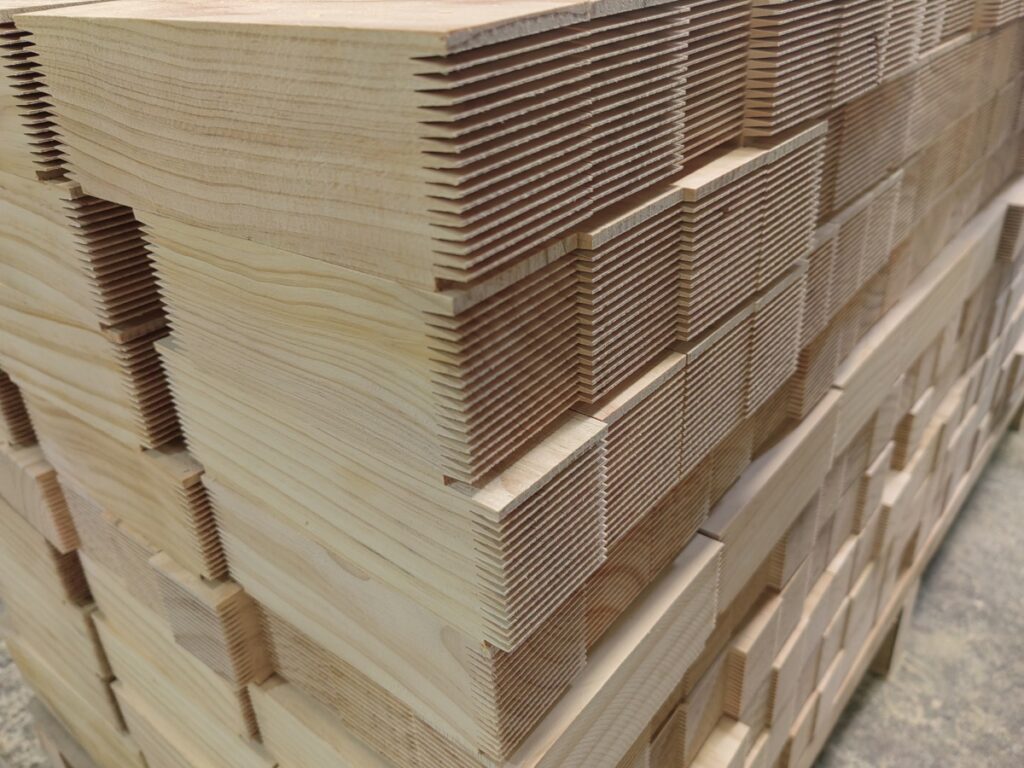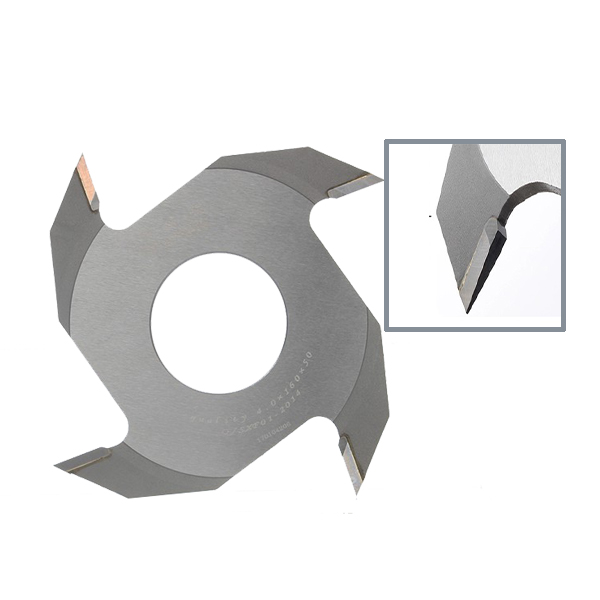
In der modernen Holzbearbeitung, Die Finger Joint Cutters is an essential tool for creating strong, precise interlocking joints used extensively in furniture manufacturing, window and door production, and flooring.
These specialized cutters—typically carbide-tipped or solid carbide—produce the distinctive “Finger” or comb-like profile that maximizes glue surface area for superior joint strength. Jedoch, sogar vom Feinsten Keilzinkenschneider can underperform or fail prematurely when subjected to improper setup, falsche Vorschubgeschwindigkeiten, oder unzureichende Wartung. This article covers the primary functions of the Keilzinkenschneider, five common operational problems with practical solutions, and essential safety recommendations.
Hauptfunktionen von Finger Joint Cutters in der Holzbearbeitung
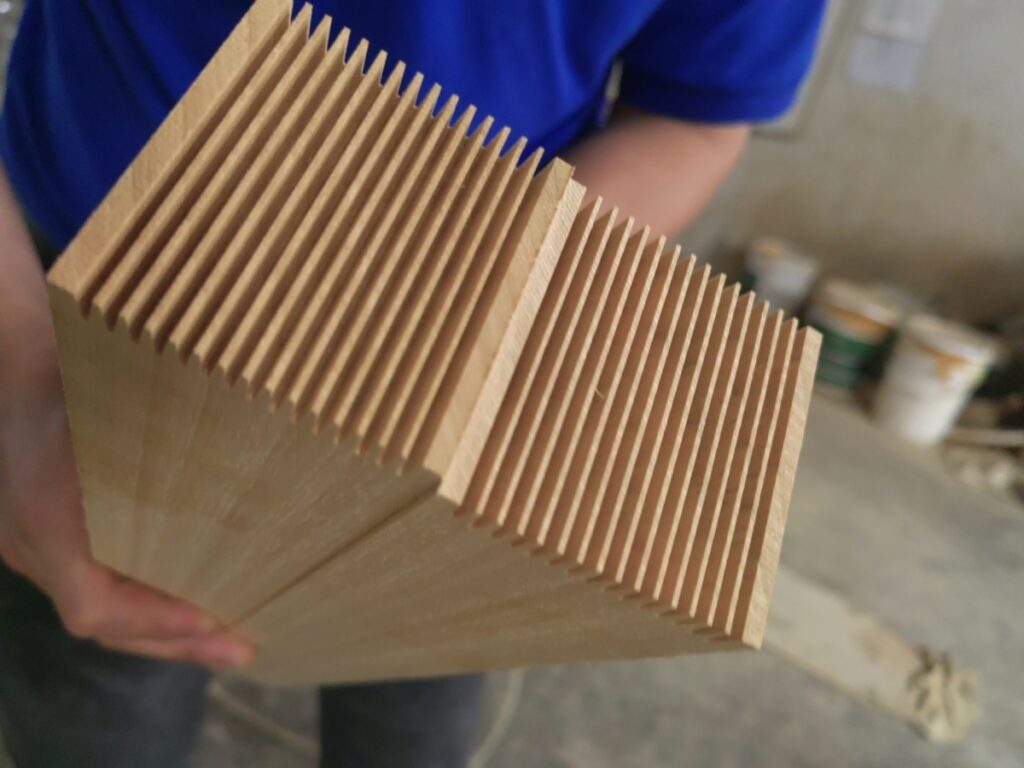
Der Keilzinkenschneider serves the critical function of creating interlocking profiles on the ends of wooden components, enabling strong, efficient end-to-end joining. These cutters feature multiple alternating tongues and grooves—the “fingers”—that fit precisely together with matching pieces. The design maximizes glue surface area, producing joint strengths that often exceed the strength of the wood itself.
Common applications include producing window and door frames, manufacturing furniture components, creating flooring and decking, and any application requiring long, continuous lengths from shorter stock. High-volume operations often use Finger Joint Cutters on dedicated machines, with finger lengths typically measuring between 5mm and 20mm and pitches from 4mm to 20mm.

Fünf häufige Probleme und praktische Lösungen
Problem 1: Poor Joint Fit or Gaps
Eines der frustrierendsten Probleme mit dem Keilzinkenschneider is producing joints with gaps, misalignment, or improper fit. This typically indicates worn bearings, falsche Schnitttiefe, or dull tooling. When fingers do not mesh perfectly, glue lines become visible and joint strength is compromised.
Lösung: Erste, check your machine bearings and spindle for play or wear; even slight runout affects joint geometry. Zweite, verify cutting depth—if the fingers are too shallow, they won’t lock properly. Ensure the Keilzinkenschneider is set to the correct depth for your material thickness. Dritte, inspect all cutting edges for dullness; a dull Keilzinkenschneider produces ragged surfaces that prevent tight fit. Rotate or replace inserts as needed. Endlich, ensure your guide system or fence is square to the cutter, as misalignment introduces off-angle cuts.
Problem 2: Tear-out and Fuzzy Joint Surfaces
Rough, fuzzy, or torn finger surfaces reduce glue adhesion and joint integrity. This problem stems from dull tooling, incorrect feed speeds, or cutting against the grain direction.
Lösung: Rotate or replace inserts on the Keilzinkenschneider beim ersten Anzeichen einer Oberflächenverschlechterung. Zweite, adjust feed speed; feeding too slowly generates friction rather than clean shearing, while feeding too aggressively tears fibers. Dritte, orient your workpiece so the cutter shears with the grain rather than lifting it. For reversing grain, consider reducing depth of cut and taking multiple passes with your Keilzinkenschneider.
Problem 3: Inconsistent Finger Length or Profile
Variations in finger length along the workpiece or from piece to piece indicate setup issues, material inconsistencies, or pressure problems. This defect compromises joint strength and assembly accuracy.
Lösung: Check that your hold-down or feed rollers apply consistent, even pressure to the stock. Inconsistent pressure causes the workpiece to lift or shift during cutting. Zweite, stellen Sie sicher, dass Keilzinkenschneider is securely clamped and not slipping on the spindle. Dritte, calibrate your stop or positioning system; if the index point varies, finger alignment will be inconsistent. Endlich, verify that your stock has uniform thickness—variations cause the Keilzinkenschneider to take unequal cuts.
Problem 4: Excessive Tool Wear or Insert Chipping
Premature wear or chipping of the Keilzinkenschneider inserts is costly and disrupts production. This typically occurs when processing abrasive materials such as MDF, Spanplatte, or exotic hardwoods with high silica content.
Lösung: Erste, ensure you are using the correct carbide grade for your material. Standard carbide works for clean hardwoods, but abrasive materials require specialized grades with higher wear resistance. Zweite, reduce feed pressure—forcing material aggressively generates heat that accelerates wear. Dritte, maintain consistent chip load; running the Keilzinkenschneider too slowly causes rubbing rather than cutting. Endlich, inspect stock for foreign objects like nails, Heftklammern, or embedded sand before machining.
Problem 5: Burrs or Splintering on Finger Edges
Sharp burrs or splintering along the finger edges indicate excessive heat, dull tooling, or improper shear angle. These defects reduce glue penetration and joint strength.
Lösung: Clean the Keilzinkenschneider thoroughly; resin and pitch buildup insulates heat and creates friction. Use specialized cleaning solutions safe for carbide. Zweite, verify that cutting edges are sharp and free from nicks. Dritte, check that the Keilzinkenschneider is running at correct RPM; excessive speed generates heat, while insufficient speed produces tearing. Endlich, Erwägen Sie die Verwendung Finger Joint Cutters with specialized coatings that reduce friction and heat generation.
Essential Safety Recommendations for Finger Joint Cutters
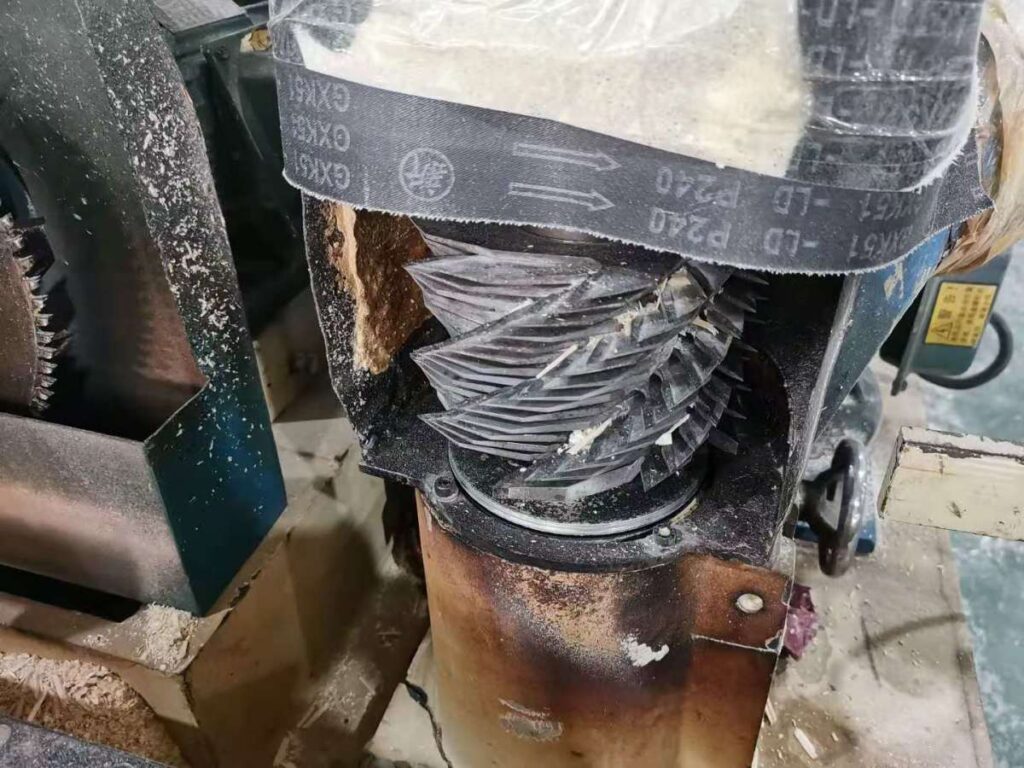
Arbeiten mit dem Keilzinkenschneider requires strict safety discipline due to its multiple rotating cutting edges. Always wear impact-rated safety glasses or a full face shield—broken inserts or thrown workpieces can cause severe eye injuries. Cut-resistant gloves are essential during tool changes and cleaning but must never be worn while the cutterhead is rotating. Before installing the Keilzinkenschneider, Untersuchen Sie den Stahlkörper auf Risse, die Einsätze für Chips, and ensure all clamping screws are secure. Never exceed the maximum RPM rating engraved on the cutter body. Ensure all machine guards and dust extraction hoods are in place and properly adjusted.
Use push blocks or power feeders to keep hands well clear of the cutting zone. Never reach into the machine to remove waste while the Keilzinkenschneider is spinning. When changing or adjusting tooling, disconnect power completely rather than relying on the stop button. Maintain a clean work area; accumulated chips and debris can interfere with proper workpiece feeding and create slip hazards. Endlich, receive thorough training on your specific machine’s safety features and emergency stop procedures before operating with any Keilzinkenschneider.

Abschluss
Der Keilzinkenschneider is an indispensable tool for creating strong, precise interlocking joints in high-volume woodworking. By understanding its primary function of producing matched finger profiles for end-joining and recognizing the five common issues outlined above—poor fit, raue Oberflächen, inconsistent length, übermäßiger Verschleiß, and burrs—operators can implement practical solutions that restore cutting quality and extend tool life. Regelmäßige Inspektion, richtige Vorschubgeschwindigkeiten, appropriate cleaning, und die Einhaltung von Sicherheitspraktiken stellen sicher, dass die Keilzinkenschneider liefert zuverlässige Leistung und sorgt gleichzeitig für eine sichere Arbeitsumgebung. Bei richtiger Pflege und Bedienung, this essential tool turns challenging joining operations into efficient, Durchgängige Produktionsabläufe.