

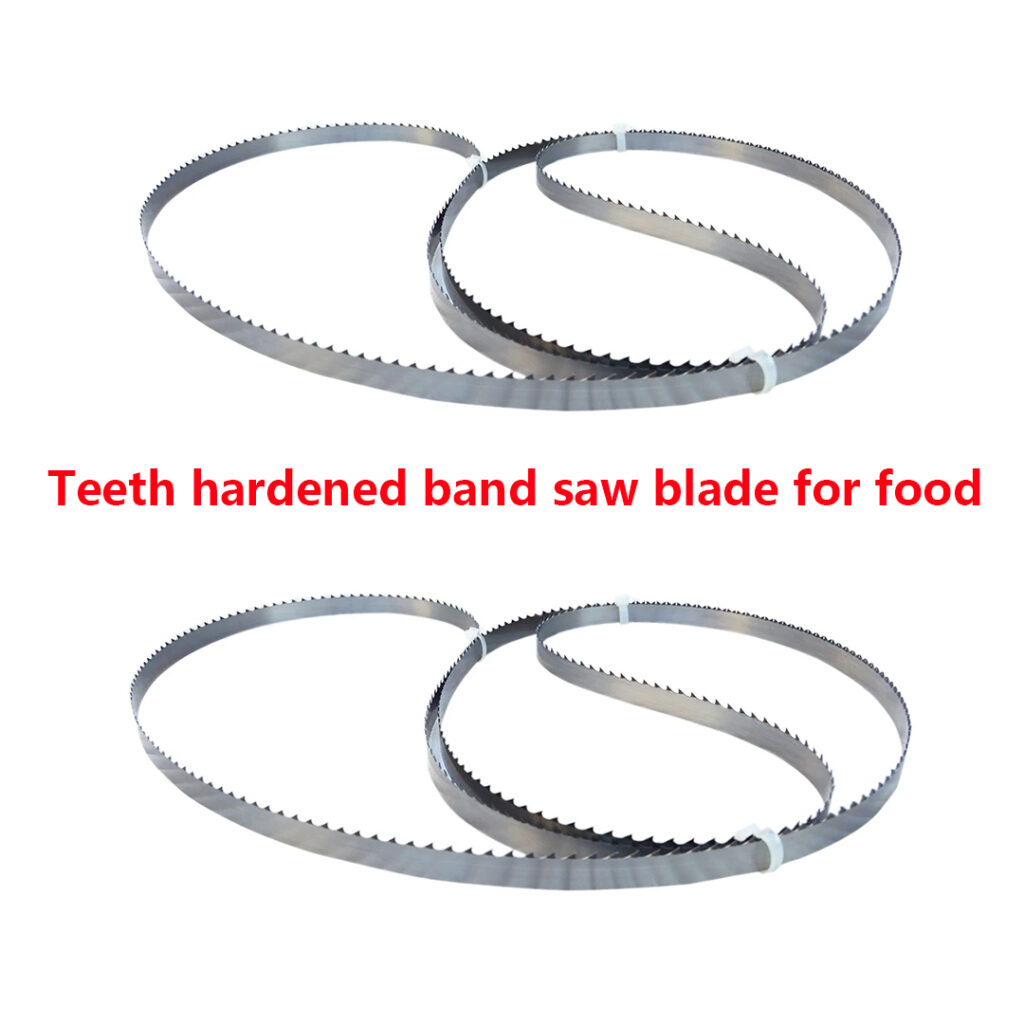
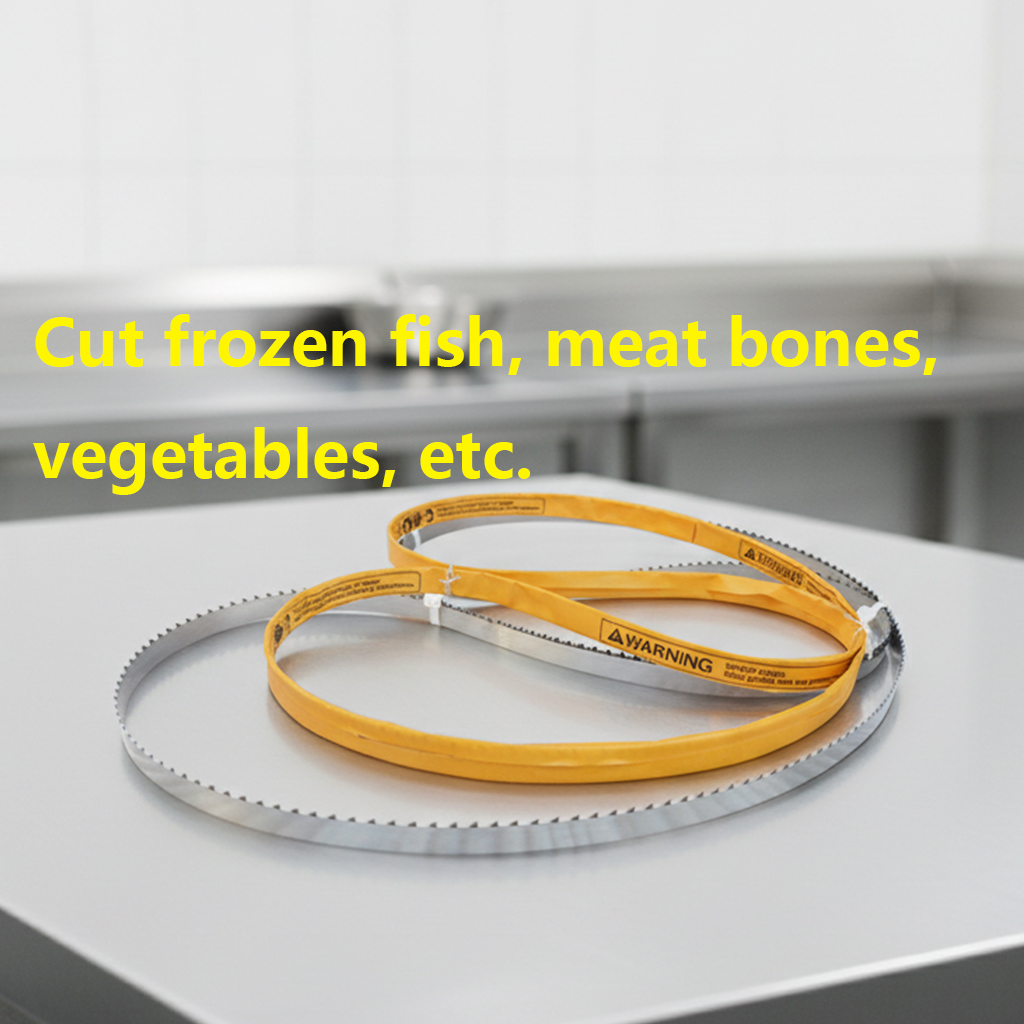
Katika usindikaji wa chakula kibiashara na shughuli za uchinjaji, ya Kitambaa cha msumeno wa chakula ni chombo muhimu kwa kukata nyama, samaki, kuku, na hata bidhaa zilizogandishwa kwa usahihi na ufanisi. Mimea hii maalum, kwa kawaida hutengenezwa kutokana na vyuma vyenye kaboni nyingi kama vile SKS51 au SK95, zimeundwa kuhimili mahitaji ya kipekee ya mazingira ya usindikaji wa chakula huku zikikutana na viwango vya kimataifa vya usalama wa chakula.
Hata hivyo, hata ubora wa juu zaidi Kitambaa cha msumeno wa chakula inaweza kukumbana na masuala ya utendaji inapotumiwa vibaya, mvutano usio sahihi, au matengenezo yasiyofaa. Kuelewa kazi zao kuu, kutambua matatizo ya kawaida ya uendeshaji na ufumbuzi wa vitendo, na kufuata mbinu muhimu za usalama huhakikisha kuwa unaboresha maisha ya huduma na kupunguza utendakazi wa matoleo haya.
Kazi za Msingi za Chakula Band Saw Blades katika Usindikaji wa Chakula
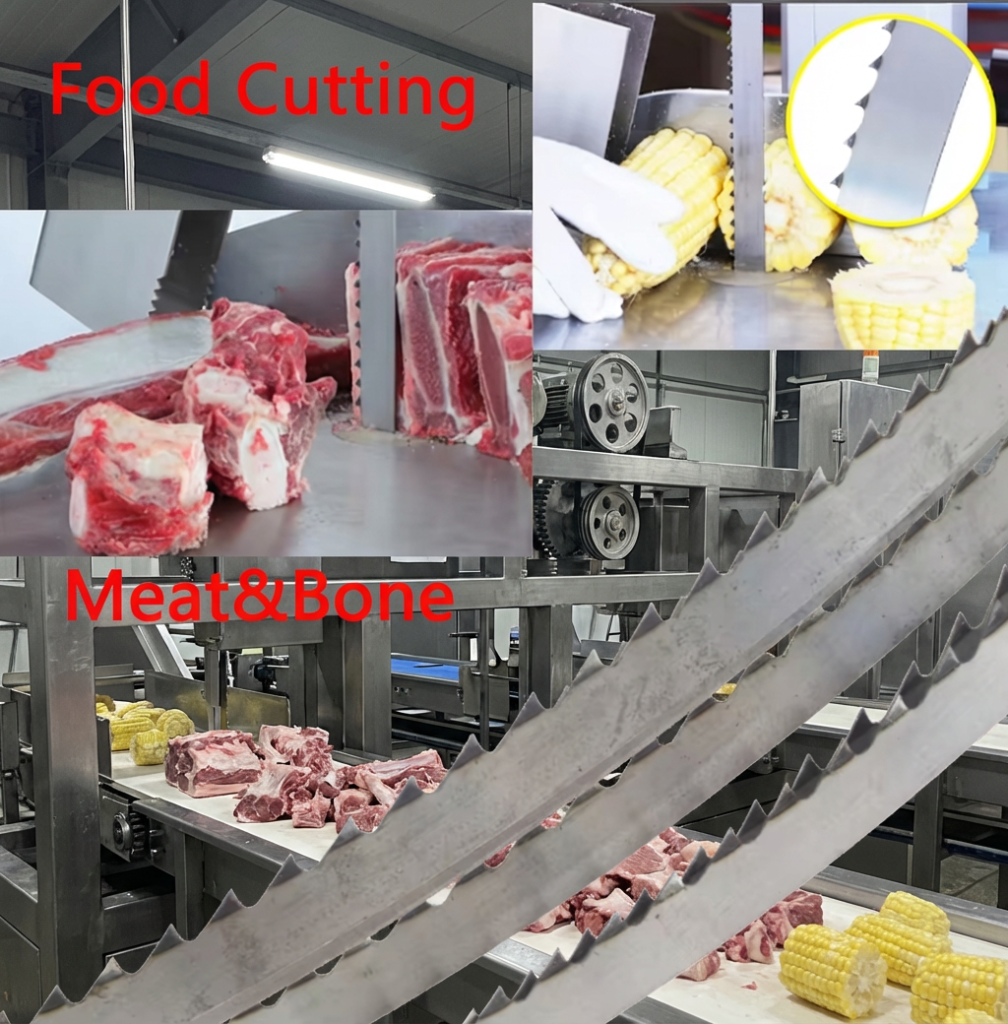
The Kitambaa cha msumeno wa chakula hutumika kama kipengele cha msingi cha kukata katika misumeno ya bendi ya kibiashara inayotumika kote katika tasnia ya chakula, kutoka kwa maduka madogo ya nyama hadi viwanda vikubwa vya kusindika nyama. Majani haya yameundwa mahsusi kukata nyama, mfupa, gegedu, na bidhaa zilizogandishwa huku zikiwa safi, nyuso sahihi.
Nyenzo ya blade ni muhimu: SKS51 ni chuma chenye aloi ya chini ya kaboni ambayo muundo wake uliosawazishwa kwa uangalifu-iliimarishwa kwa kuongezwa kwa nikeli. (Katika) na chromium (Cr)- inaboresha ugumu na upinzani wa kutu. Baada ya matibabu ya joto, SKS51 inatoa nguvu ya kipekee, Vaa upinzani, na ukakamavu, chembechembe zenye madhara kama fosforasi na salfa zikidhibitiwa kwa uangalifu ili kuhakikisha usalama wa chakula .
SK95 chuma cha juu cha kaboni, kwa tofauti, ina sifa ya ugumu wake wa juu baada ya kuzima na upinzani bora wa kuvaa. Muundo wake mzuri wa nafaka huzuia overheating, hutoa kikomo cha juu cha elastic ambacho kinapinga fracture, na kufikia nguvu tensile ya 1700-2000 MPa. Nyenzo zote mbili, chini ya udhibiti mkali wa metallurgiska, kuhakikisha usalama wa chakula unakidhi viwango vya kimataifa huku ukionyesha uaminifu bora wa kimuundo chini ya mizigo yenye nguvu ya masafa ya juu. .
Matatizo Matano ya Kawaida na Masuluhisho ya Vitendo
Tatizo 1: Uba Mkali Unaosababisha Mipasuko Mbaya au Isiyosawazisha
Moja ya masuala ya mara kwa mara na Kitambaa cha msumeno wa chakula inauma, ambayo inajidhihirisha kuwa mbaya, kingo zilizochongoka kwenye nyama au mfupa, nyuzi zilizopasuka, na unene usio na usawa katika sehemu zilizokatwa . Ubao mwepesi pia huwalazimisha waendeshaji kutumia shinikizo kupita kiasi, kuongeza uchovu na kupunguza tija.
Dulling hutokea kwa kawaida kupitia matumizi lakini huharakisha wakati wa kukata mfupa, nyama iliyoganda, au nyenzo mnene . Msuguano kutoka kwa blade isiyo na mwanga unaweza hata joto na “kupika” uso wa bidhaa, kusababisha alama nyeusi au kutoweka kwa ladha .
Suluhisho: Weka ratiba ya kawaida ya kunoa au kubadilisha kulingana na matokeo. Katika shughuli za juu za kukata mfupa kila siku, wataalamu wengi kupendekeza kunoa au kuchukua nafasi ya Kitambaa cha msumeno wa chakula takriban mara moja kwa wiki . Tazama viashiria wazi: wakati blade inapoteza kuumwa kwake, utaona vumbi zaidi ya mifupa, kupunguzwa kwa kawaida, au hata harufu ya mfupa uliochomwa-hizi ni ishara za kushughulikia blade mara moja .
Huduma za kitaalam za kunoa kwa kutumia viboreshaji kiotomatiki huhakikisha jiometri ya meno thabiti, ingawa shughuli zingine hutoa kazi hii. Safisha blade vizuri baada ya kila zamu ili kuondoa mabaki ya nyama na mifupa, kisha weka mafuta ya kiwango cha chakula ili kuzuia kutu.
Tatizo 2: Mabedui au Vipunguzi vilivyopotoka
Wakati Kitambaa cha msumeno wa chakula huanza kukata mstari uliokusudiwa, suala mara nyingi linahusiana na mvutano wa blade, viongozi huvaliwa, au mpangilio wa gurudumu badala ya blade yenyewe . Blade inayoteleza kando sio tu inapoteza bidhaa lakini pia inaweza kuwa hatari . Kukata meno kunaweza pia kutokana na kuweka meno isiyo sawa au blade isiyofaa .
Suluhisho: Angalia mvutano wa blade kwanza - chini ya mvutano Bendi ya chakula blades tanga bila kutabirika na inaweza kuteleza kutoka kwa magurudumu, kuunda hatari kubwa za usalama . Angalia mapendekezo ya mtengenezaji wa saw kwa mvutano unaofaa, kawaida huonyeshwa na kifaa cha kudhibiti mvutano .
Pili, kagua miongozo ya juu na ya chini kwa kuvaa; kuingizwa kwa mwongozo huvaliwa huruhusu blade kusonga sana wakati wa kukata .
Tatu, thibitisha mpangilio wa gurudumu; magurudumu yaliyopangwa vibaya husababisha blade kufuatilia bila usawa . Ikiwa kukata kupotoka kunakua ghafla, kagua mashine kwa uangalifu kwa vipengele vya mwongozo vilivyochakaa au vilivyoharibika kabla ya kudhani kuwa blade yenyewe ina kasoro .
Tatizo 3: Kuvunjika au Kupasuka kwa Blade Mapema
Kuvunjika kwa blade ni mojawapo ya masuala hatari na ya kukatisha tamaa katika usindikaji wa chakula. Kushindwa mapema kwa Kitambaa cha msumeno wa chakula kawaida husababishwa na mvutano mwingi, mkazo wa uchovu, overheating, au wasiliana na vifaa vya mashine . Mara nyingi nyufa huanza kwenye tundu la tundu la jino—eneo la mkazo mkubwa zaidi—kabla ya kusambaa kwenye blade . Mashine ya gurudumu ndogo ni nyeti sana kwa unene wa blade, kwani vile vile vinene huchoka haraka zaidi vinapojipinda na kurudia kuzunguka vipenyo vidogo .
Suluhisho: Epuka kuimarisha blade kupita kiasi, kwani mkazo mwingi huharakisha uundaji wa ufa . Kagua njia ya blade kwa uangalifu kwa sehemu za mawasiliano-blade inayosugua dhidi ya flange za gurudumu, viongozi huvaliwa, au wasafishaji walioharibiwa watashindwa mapema . Ikiwa vile vile huvunjika mara kwa mara katika eneo moja, kagua mashine kwa matatizo ya upatanishi au sehemu za mawasiliano .
Kwa ajili ya Kitambaa cha msumeno wa chakula nyenzo zenyewe, SK95 inatoa kikomo cha juu cha elastic na upinzani kwa fracture, wakati SKS51 hutoa ushupavu bora chini ya mizigo inayobadilika-yote ni muhimu kwa kuzuia kuvunjika. Hakikisha ubora sahihi wa weld, kwani weld ni moja wapo ya maeneo yenye msongo wa juu zaidi; muunganisho duni au welds chini ya ardhi vibaya husababisha vibration na kushindwa mapema.
Tatizo 4: Kuungua au Kubadilika rangi kwenye Bidhaa iliyokatwa
giza, kuchomwa moto, au “kupikwa” kuonekana kwenye nyuso za nyama baada ya kukata kunaonyesha msuguano mkubwa na overheating ya Kitambaa cha msumeno wa chakula . Tatizo hili kwa kawaida hutokana na blade kusugua miongozo au sehemu za mashine, ufuatiliaji mbaya, mvutano wa kupindukia, au vipengele vilivyovaliwa . Joto linalozalishwa huhamishwa moja kwa moja kwenye bidhaa, kuathiri muonekano na ubora, na inaweza kuongeza hatari ya ukuaji wa bakteria kwa kuongeza joto kwenye uso wa bidhaa bila lazima .
Suluhisho: Kagua njia kamili ya blade kwa uangalifu kwa maeneo ya mawasiliano, vipengele vya mwongozo vilivyoharibiwa, au wasafishaji huvaliwa . Thibitisha ufuatiliaji ufaao na urekebishe viingizo vya mwongozo ambavyo vinaweza kuwa vinabonyea kwenye ubao. Safisha blade vizuri, kwani resini na mkusanyiko wa mafuta huzuia joto na kuongeza msuguano.
Tumia vilainishi vya kiwango cha chakula inapofaa ili kupunguza msuguano. Ikiwa mabadiliko ya rangi yanaonekana mara kwa mara, angalia mpangilio wa gurudumu na mipangilio ya mvutano-wote mvutano wa kupita kiasi na ufuatiliaji mbaya huchangia kuongezeka kwa joto.
Tatizo 5: Taka nyingi za Bidhaa na Vumbi la Mifupa
Taka nyingi na vumbi laini la mfupa kwenye kupunguzwa huonyesha utendaji mbaya wa kukata, mara nyingi huhusishwa na lami isiyo sahihi ya meno, vile vile, au mvutano uliolegea . Kuonekana kwa vumbi la mfupa ni ishara wazi kwamba Kitambaa cha msumeno wa chakula inahitaji umakini, kwani hii inachafua bidhaa na kuumiza uwasilishaji .
Suluhisho: Chagua kipimo sahihi cha meno kwa programu yako—vijiti vyema vya ukataji wa nyama, viwanja vizito zaidi kwa ajili ya kazi ya mfupa.
Badilisha au uimarishe Kitambaa cha msumeno wa chakula wakati vumbi la mfupa linaonekana. Angalia kuwa mvutano wa blade ni sahihi; mvutano uliolegea huruhusu harakati nyingi za blade ambazo hutengeneza taka . Pia hakikisha kwamba visafishaji vya blade vinafanya kazi ipasavyo ili kuondoa uchafu kutoka kwenye matumbo. mkali, blade yenye mvutano mzuri hupunguza vumbi la mfupa na huongeza mavuno.
Kwa Nini Uchague Kikata cha DH kwa Blade Zako za Bendi ya Chakula?
Kwa wasindikaji wa chakula, wachinjaji, na waendeshaji wa mimea ya nyama wanaotafuta utendakazi wa kuaminika na ubora wa usalama wa chakula, DH Cutter anasimama nje kama chanzo cha kuaminika cha Bendi ya chakula blades.
Blade zetu zimetengenezwa kwa vyuma vya kaboni ya juu zaidi ikiwa ni pamoja na SKS51 na SK95, kutoa nguvu za hali ya juu, Vaa upinzani, na ushupavu wa fracture chini ya mizigo ya nguvu ya juu-frequency. Udhibiti mkali wa metallurgiska huhakikisha vipengele hatari vya ufuatiliaji kama vile fosforasi na salfa vinapunguzwa, kufikia viwango vya kimataifa vya usalama wa chakula.
Kutoka kwa mtazamo wa mmiliki wa biashara, pointi za maumivu ni wazi: gharama ya chini kutokana na mabadiliko ya blade na kuimarisha upya, taka za bidhaa kutoka kwa kupunguzwa vibaya, hatari za usalama kutoka kwa vile vilivyovunjika, na dhima inayowezekana kutokana na uchafuzi wa chakula.
DH Cutter's Bendi ya chakula blades kushughulikia changamoto hizi kwa nyenzo za kulipia na utengenezaji wa usahihi—kumaanisha kukatizwa kidogo, upotevu mdogo, matokeo ya juu, na uendeshaji salama zaidi. Vipande vyetu vinapatikana kwa ukubwa maalum ili kukidhi vifaa mbalimbali vya usindikaji wa chakula, na chaguzi za usanidi tofauti wa meno na lami ili kuendana na mahitaji maalum ya kukata.
Kwa mwendeshaji wa mtumiaji wa mwisho, kuchanganyikiwa mara kwa mara ni pamoja na vile vile ambavyo hupungua haraka sana kwenye mfupa au bidhaa iliyogandishwa, blade zinazovunjika bila kutarajia, na kupunguzwa kwamba kutangatanga au kuchoma bidhaa.
Nyenzo za hali ya juu za DH Cutter—SKS51 ikiwa na nikeli-chromium iliyoimarishwa na kustahimili kutu, na SK95 na ugumu wake wa hali ya juu na kikomo cha juu cha elastic-hakikisha ukali uliopanuliwa, kupunguzwa kwa kuvunjika, na utendaji thabiti. Kila blade inasaidiwa na usaidizi msikivu baada ya mauzo na uhakikisho wa ubora, kukupa imani katika mabadiliko ya matokeo ya kuaminika baada ya kuhama.

Mapendekezo Muhimu ya Usalama kwa Blade za Bendi za Chakula
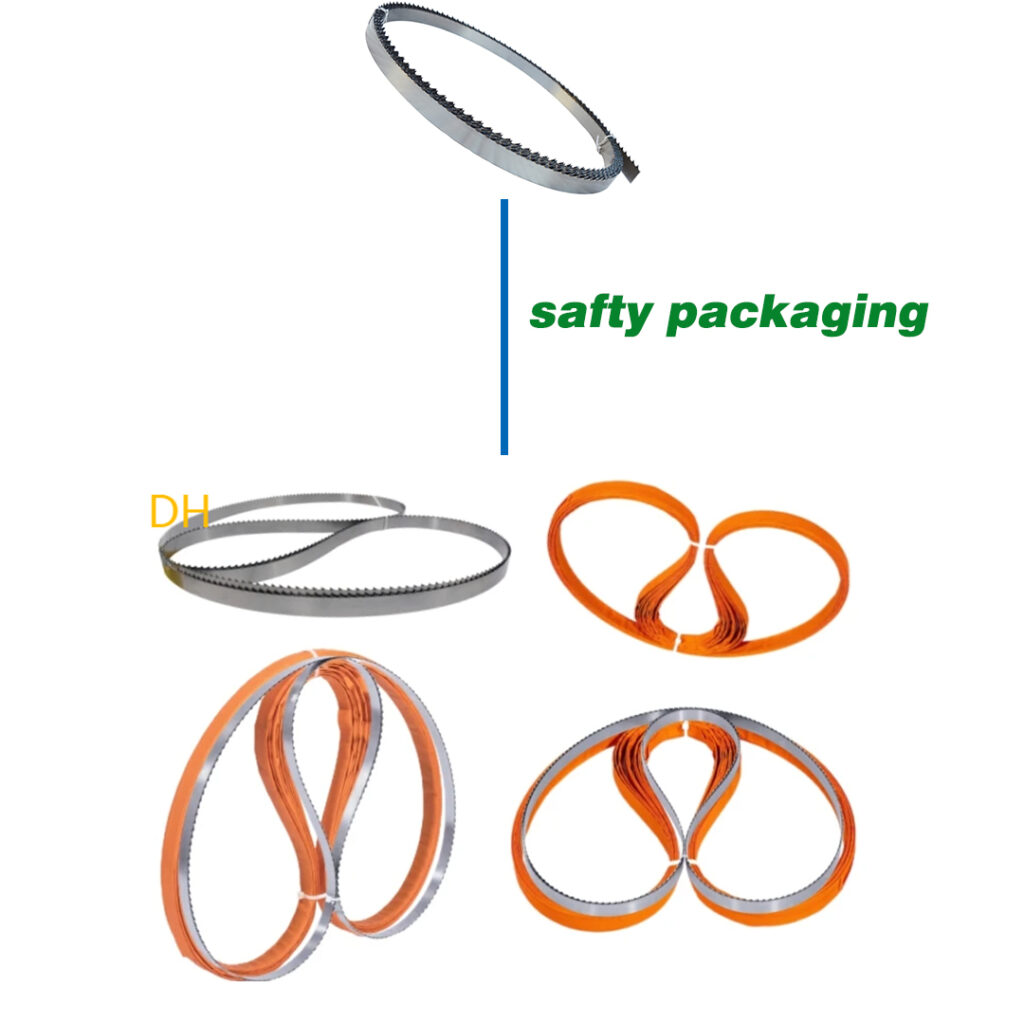
Kufanya kazi na Kitambaa cha msumeno wa chakula inahitaji kufuata madhubuti kwa mazoea ya usalama. Kuwasiliana na blade ndio sababu ya kawaida ya kuumia; tahadhari kali ni muhimu kwa sababu mikono ya operator inaweza kuja karibu na blade ya saw, na msumeno wa bendi hauwezi kulindwa kabisa . Vaa kila wakati vifaa vya kinga vya kibinafsi, pamoja na miwani ya usalama, glavu zinazostahimili kukata (wakati wa kubadilisha blade, sio wakati wa kufanya kazi), na mavazi ya kinga . Linda blade nzima isipokuwa wakati wa operesheni, na utumie ulinzi wa kujirekebisha kwa sehemu ya blade kati ya mwongozo wa kuteleza na msumeno wa juu. .
Hakikisha msumeno unajumuisha kifaa cha kudhibiti mvutano ili kuonyesha mvutano sahihi wa blade . Kabla ya kila matumizi, kukagua Kitambaa cha msumeno wa chakula kwa nyufa, kukosa meno, au maeneo yaliyoharibiwa; blade iliyoathiriwa inaweza kugawanyika kwa kasi ya kufanya kazi . Tumia vijiti vya kushinikiza au fixtures wakati wa kukata vipande vidogo, na usiwahi kupata nyenzo hadi blade ikome kabisa . Wakati wa kubadilisha blade, ondoa nguvu kwenye chanzo . Dumisha safi, eneo la kazi lililosafishwa; nyama na mabaki ya mifupa yaliyokusanywa huleta hatari za kuteleza na hatari za ukuaji wa bakteria .
Hitimisho
The Kitambaa cha msumeno wa chakula ni uti wa mgongo wa ufanisi, shughuli za usindikaji wa vyakula vya usafi. Nyenzo za ubora kama SKS51 na SK95 huhakikisha uimara wa kipekee, Vaa upinzani, na ugumu wa kuvunjika chini ya hali ngumu. Kwa kuelewa kazi zake za msingi na kutambua masuala matano ya kawaida yaliyoainishwa hapo juu—uwepesi, kupunguzwa kwa kutangatanga, kuvunjika, kuungua kwa bidhaa, na taka nyingi-waendeshaji wanaweza kutekeleza ufumbuzi wa vitendo ambao hurejesha ubora wa kukata na kupanua maisha ya blade.
Na vilele vya hali ya juu vya DH Cutter vilivyo na madini ya hali ya juu ya chuma, chaguzi za ukubwa maalum, na kufuata kwa ukali usalama wa chakula, unaweza kuamini katika kuaminika, utendakazi thabiti kwa hata maombi yanayohitaji sana usindikaji wa chakula. Ukaguzi wa mara kwa mara, mvutano sahihi, matengenezo sahihi, na kuzingatia kanuni za usalama kuhakikisha kwamba Kitambaa cha msumeno wa chakula hutoa matokeo ya kipekee wakati wa kudumisha mazingira salama ya kazi.
