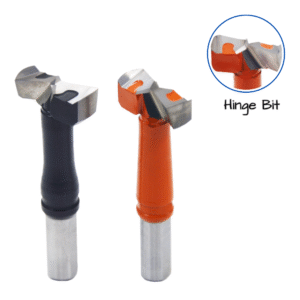
Woodworking efficiency and precision heavily rely on drill bits—specialized cutting tools that create holes in wood for joinery, hardware installation, and decorative purposes. From cabinetry to furniture making, selecting the right type ensures clean cuts, minimized waste, and extended tool life. This guide explores major categories of woodworking drill bits, addresses common operational challenges, and provides practical advice for selecting reliable equipment, with a focus on DH—a trusted brand with over 26 years of expertise.


Core Types of Woodworking Drill Bits
- Through-Hole Drill Bits: Designed to pierce completely through workpieces like plywood or solid timber, these come in two variants:
– Tungsten Carbide Tipped (TCT): Feature replaceable carbide edges brazed onto a steel body. They offer cost-effective reusability for high-volume tasks like cabinet shelf pin holes.
– Solid Carbide: Made entirely of hardened alloy, they resist heat and wear during prolonged use in dense materials like MDF or laminated boards. Ideal for precision drilling in automated multi-spindle machines.
- Blind-Hole Drill Bits: Used for stopped holes (e.g., concealed hinge mounting), they avoid piercing surface veneers. Examples include:
– Three-Point (Euro Style): A centered tip and two spurs score wood fibers before cutting, preventing tear-out in melamine or veneered panels.
– Self-Centering Versions: Incorporate a pilot tip for accuracy in hinge installation. Both TCT and solid carbide options suit varying production volumes.
- Specialty Variants:
– Step Drill Bits: Create multiple-diameter holes in one pass (e.g., for countersunk screws).
– Forstner Bits: Cut flat-bottomed holes for hidden joints or hardware.
– Plug Cutters: Produce wooden dowels to conceal screws.
Solving 3 Common Drill Bit Challenges
- Tear-Out (Burning or Chipping):
– Cause: Dull spurs, misaligned drill bits, excessive feed speed, or incorrect bit-to-material pairing.
– Fix: Ensure bits have sharp cutting edges and a 12°–15° clearance angle. Verify machine spindle alignment and use adequate workpiece clamping pressure.
- Poor Chip Removal (Overheating/Blackening):
– Cause: Inadequate helical flute design, excessive depth (>4× bit diameter), resin-rich wood, or low RPM.
– Fix: Optimize spiral flute geometry for smoother ejection. Reduce drilling depth per pass, select bits with back tapers to prevent friction, and maintain 2,800–3,500 RPM for chip clearance.
- Bit Breakage or Warping:
– Cause: Small-diameter or extended-length drill bits lacking rigidity, excessive feed pressure, or deep drilling without pecking.
– Fix: Avoid depths >4× the bit diameter in a single pass. For hardwoods, use shorter bits or reduce feed speed. Ensure proper heat treatment during manufacturing.
Choosing the Right Drill Bits: 5 Key Factors
- Material Compatibility: For abrasive engineered woods (e.g., particleboard), solid carbide drill bits resist wear. Natural softwoods perform well with TCT variants.
- Machine Specifications: Match shank diameter (commonly 10mm), RPM range, and chip ejection airflow to your multi-bore machine’s capacity.
- Hole Depth/Precision Needs: Use self-centering blind-hole bits for concealed hardware. Extended-length through-hole drill bits require reinforced cores.
- Flute Design: Prioritize wide, polished spirals for resinous woods to prevent clogging and overheating.
- Brand Support & Longevity: Established brands like DH offer technical guidance, consistent geometry for multi-spindle alignment, and replaceable components—critical for production continuity.
Why DH Drill Bits Stand Out
With 26+ years in woodworking tools, DH combines reliability and innovation:
– Patented Geometry: Their bits feature optimized helix angles and anti-burn tips to reduce blackening in glue-saturated boards.
– System Compatibility: Products like the DH28 series include modular arbors and replaceable cutters, fitting diverse CNC or handheld drills while lowering long-term costs.
– Range: From blind-hole to step bits, DH covers specialized tasks like laminate trimming or metal-wood composites, backed by cross-regional support.
Like precision instruments, drill bits profoundly impact workflow efficiency. Matching bit type to task prevents operational headaches, while proactive maintenance—regular sharpening, alignment checks, and proper RPM settings—extends service life. DH’s decades of refinement make their drill bits a worthy investment for professionals prioritizing quality and durability in demanding woodworking environments. Whether drilling 10 or 10,000 holes daily, the right bit ensures every hole tells a story of craftsmanship.