
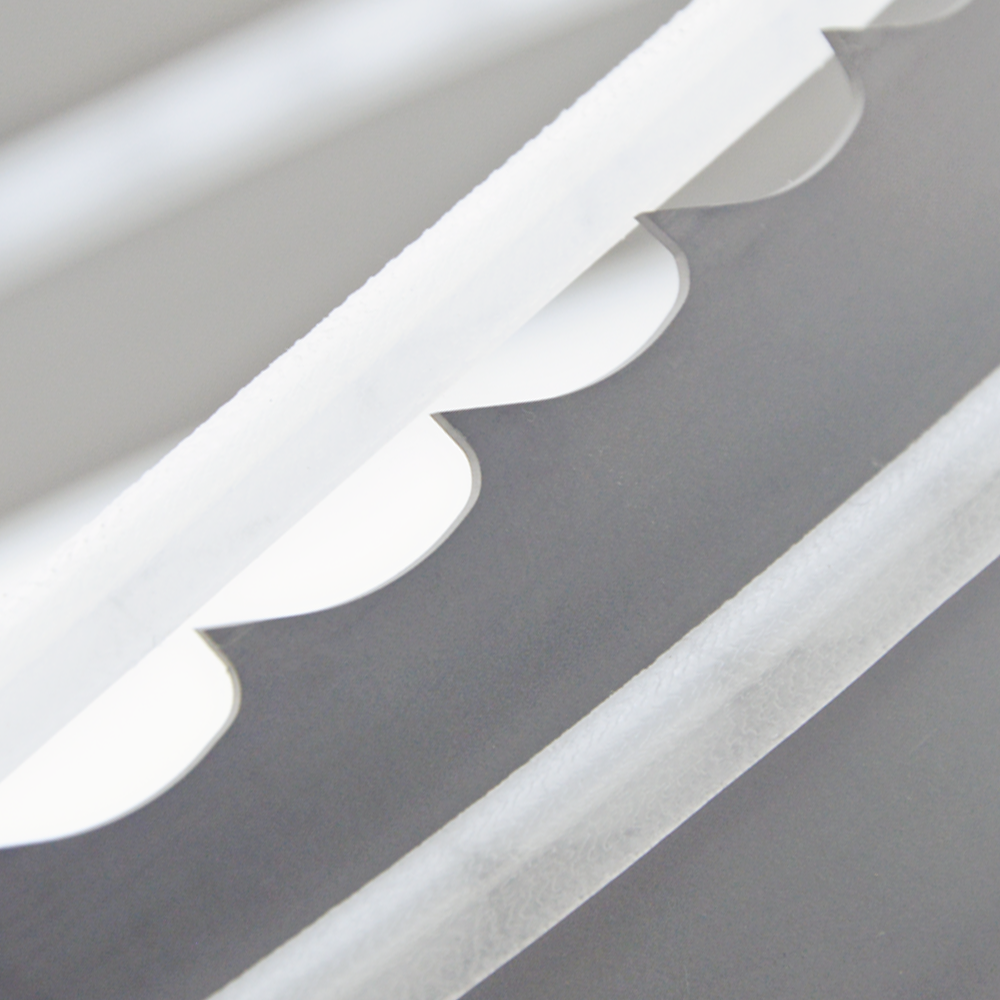
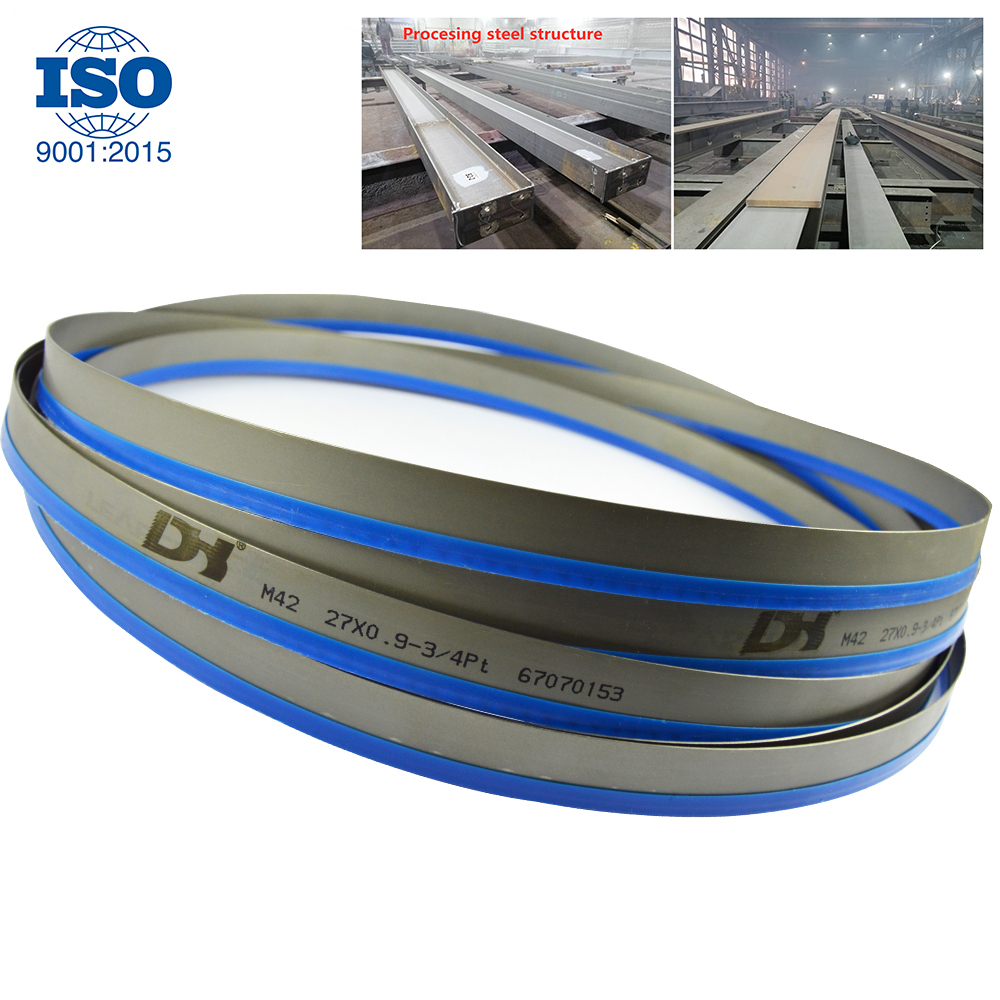
Dans le domaine professionnel du travail du bois et de la métallurgie, le Lame de scie à ruban bimétallique a acquis une réputation de durabilité et de polyvalence exceptionnelles. En combinant un support flexible en acier à ressort avec des dents en acier rapide, ces lames résistent à la casse tout en conservant leur netteté de coupe beaucoup plus longtemps que les alternatives en acier au carbone.
Cependant, même le meilleur Lame de scie à ruban bimétallique peut sous-performer ou échouer prématurément en cas d’utilisation inappropriée, tension incorrecte, ou un entretien inadéquat. Understanding their primary functions in woodworking, reconnaître les problèmes opérationnels courants avec des solutions pratiques, et le respect des pratiques de sécurité essentielles vous garantit de maximiser la durée de vie et les performances de coupe offertes par ces lames haut de gamme..
Fonctions principales de Bi-metal Band Saw Blades dans le travail du bois
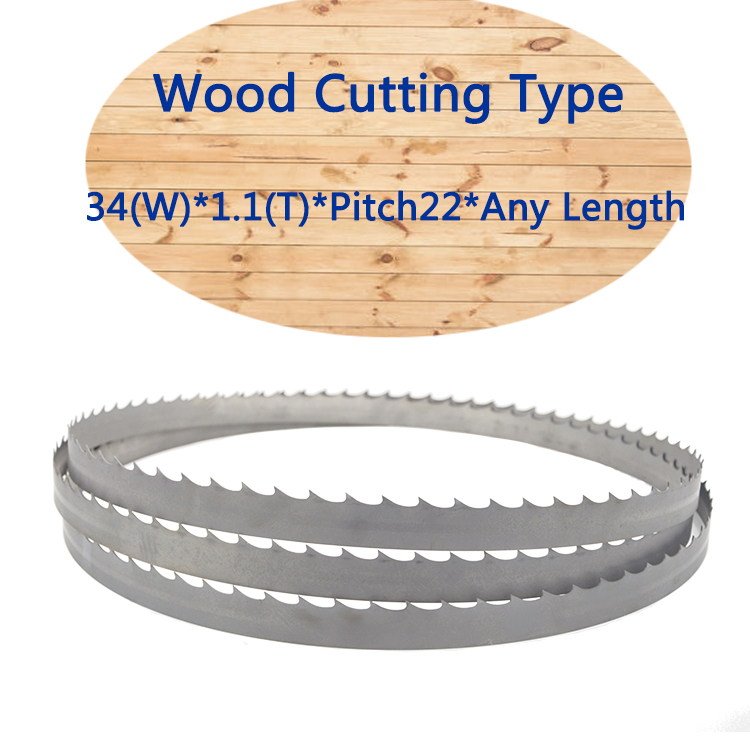
Le Lame de scie à ruban bimétallique serves as a versatile cutting tool suitable for both woodworking and light metal fabrication. In woodworking applications, these blades excel at resawing hardwoods, cutting thick stock, and processing abrasive materials that would quickly dull standard carbon blades. The high-speed steel teeth maintain their edge when cutting exotic hardwoods containing silica, bois récupéré avec des débris incrustés, and even some composite materials.
Contrairement aux lames standard qui s'étirent et se fatiguent, le Lame de scie à ruban bimétallique conserve sa tension et suit avec précision tout au long des longues séries de production. Common woodworking applications include resawing valuable hardwoods into veneer-thin slices, courbes de coupe dans les composants de meubles, traitement du bois épais pour les poutres, et ébaucher des ébauches pour le tournage. For workshops handling both wood and occasional non-ferrous metals, le Lame de scie à ruban bimétallique élimine le besoin de changements fréquents de lame.
Cinq problèmes courants et solutions pratiques
Problème 1: Premature Tooth Wear or Blunting
L'une des plaintes les plus fréquentes auprès du Lame de scie à ruban bimétallique les dents perdent-elles leur tranchant beaucoup plus rapidement que prévu. This typically occurs when cutting abrasive materials such as MDF, panneau de particules, ou du bois contenant de la saleté et de la silice incrustée. The high-speed steel teeth, while tougher than carbon steel, cannot match the wear resistance of carbide.
Solution: D'abord, verify you are using the correct Lame de scie à ruban bimétallique for your material. These blades perform best on clean natural woods and light composites. Switch to carbide-tipped blades for highly abrasive engineered panels. Deuxième, reduce feed pressure—forcing material too aggressively generates heat that softens the tooth tips. Troisième, assurer une vitesse de lame appropriée; courir trop vite sur des bois durs denses augmente considérablement la friction. Enfin, inspectez votre pièce à la recherche de corps étrangers comme des clous, pierres, ou des poches d'écorce avant de couper.
Problème 2: Cracked or Broken Blade Body
Finding cracks or experiencing complete blade breakage is both dangerous and costly. This problem usually results from excessive tension, improper weld quality, or fatigue from repeated flexing around undersized wheels.
Solution: Vérifiez immédiatement vos réglages de tension. Over-tensioning the Lame de scie à ruban bimétallique stresses the steel backing and promotes crack formation at the weld joint. Consultez les recommandations du fabricant de votre scie pour connaître la tension appropriée.. Deuxième, verify that your band wheels meet the minimum diameter specified for the blade width—using wheels that are too small forces the Lame de scie à ruban bimétallique to bend too sharply, causing metal fatigue. Troisième, inspect the blade weld; une soudure mal finie est un point de défaillance courant. Replace blades showing any weld irregularities. Enfin, never store blades coiled tightly for extended periods, as this introduces stress points that lead to cracking.
Problème 3: Coupes errantes ou courbes
Quand le Lame de scie à ruban bimétallique commence à couper la ligne prévue, le problème est souvent lié à la tension de la lame, ensemble de dents, ou guider l'alignement. Une lame qui dérive latéralement produit un gaspillage de matière et compromet la précision des pièces.
Solution: Vérifiez d'abord la tension de la lame – sous-tension Lames de scie à ruban bimétalliques errer de manière imprévisible. S'adapter aux spécifications du fabricant, puis vérifiez que les roulements de guidage sont correctement positionnés à proximité de la lame sans la pincer. Deuxième, inspecter le modèle de jeu de dents; un réglage inégal entraîne une coupe irrégulière de la lame. Si la lame a été réaffûtée plusieurs fois, l'ensemble peut être compromis et un remplacement est nécessaire. Troisième, assurez-vous que votre direction d'avance suit la tendance naturelle de coupe de la lame plutôt que de forcer une pression latérale. Pour les opérations de refendage, envisagez d'utiliser un Lame de scie à ruban bimétallique that provides greater beam strength and tracking stability.
Problème 4: Surfaces coupées rugueuses ou effilochées
Une mauvaise finition de surface va à l’encontre de l’objectif de l’utilisation d’un premium Lame de scie à ruban bimétallique. Les bords rugueux nécessitent un ponçage supplémentaire et réduisent l'efficacité de la production. Ce problème vient généralement de dents ternes, pas de dent incorrect, ou une vitesse de lame inadéquate.
Solution: Replace or resharpen the Lame de scie à ruban bimétallique dès les premiers signes de dégradation de la surface. Unlike carbide blades, bi-metal blades can be sharpened using conventional CBN wheels. Deuxième, evaluate your tooth pitch selection; les pas fins produisent des finitions plus lisses mais coupent plus lentement, tandis que les brais grossiers enlèvent la matière plus rapidement mais laissent des surfaces plus rugueuses.. For most hardwoods, un ton moyen (4-6 dents par pouce) équilibre la qualité de finition et la vitesse de coupe. Troisième, augmentez la vitesse de la lame si votre machine le permet, car des vitesses périphériques plus rapides améliorent généralement la finition de surface. Enfin, assurez-vous que votre pièce est alimentée en douceur, sans hésitation ni brusquerie.
Problème 5: Vibrations ou bavardages excessifs
Les vibrations pendant la coupe produisent non seulement des surfaces ondulées, mais stressent également le Lame de scie à ruban bimétallique et composants de machines. This problem typically stems from wheel condition issues, improper guide adjustment, or poor blade weld quality.
Solution: Start by checking band wheel condition—worn or uneven rubber tires cause blade flutter. Nettoyer tout résidu accumulé sur les surfaces des roues. Deuxième, vérifier que la soudure de la lame est lisse; un joint de soudure mal fini crée une vibration sourde rythmée. Réduisez la pression d’alimentation si vous poussez trop agressivement, car les avances lourdes provoquent une déviation et un flottement de la lame. Troisième, assurez-vous que les guides de lame sont correctement ajustés; excessive clearance allows the Lame de scie à ruban bimétallique to vibrate laterally during cutting. Enfin, check for loose machine components including wheel bearings and guide post assemblies.
Recommandations de sécurité essentielles pour les lames de scie à ruban bimétalliques
Travailler avec le Lame de scie à ruban bimétallique exige le respect de ses dents pointues et des forces impliquées dans la coupe. Portez toujours des lunettes de sécurité ou un écran facial : des lames cassées ou des pièces projetées peuvent causer de graves blessures aux yeux..
Des gants résistants aux coupures protègent les mains lors du changement et de la configuration de la lame, mais ne portez jamais de gants lorsque vous utilisez la scie, car ils peuvent s'accrocher aux pièces mobiles. Avant chaque utilisation, inspecter le Lame de scie à ruban bimétallique pour les fissures, dents manquantes, ou soudures endommagées; une lame compromise peut se fragmenter à la vitesse de fonctionnement. Gardez les mains à au moins six pouces de la zone de coupe, using push sticks, push blocks, or power feeders for small workpieces. Ensure blade guards are in place and properly adjusted—never bypass safety interlocks or remove guards for convenience.
Lors du changement de lame, débranchez l'alimentation à la source plutôt que de compter uniquement sur l'interrupteur. Maintenir une propreté, zone de travail bien éclairée autour de la scie; slippery floors or cluttered workspaces contribute to accidents. Enfin, recevez une formation appropriée sur votre machine spécifique, car les différentes scies à ruban ont des caractéristiques de sécurité et des procédures de tension de lame uniques.
Conclusion
Le Lame de scie à ruban bimétallique offre un excellent équilibre de durabilité, la flexibilité, and cost-effectiveness for woodworking and light fabrication applications. En comprenant ses fonctions principales et en reconnaissant les cinq problèmes courants décrits ci-dessus : l'usure prématurée, bris de lame, coupes errantes, surfaces rugueuses, and vibration—operators can implement practical solutions that restore cutting quality and extend blade service life. Inspection régulière, bonne tension, vitesses d'alimentation appropriées, et le respect des pratiques de sécurité garantissent que le Lame de scie à ruban bimétallique offre des performances fiables tout en maintenant un environnement de travail sûr. Avec les soins et l'attention appropriés, these versatile blades handle the majority of workshop cutting tasks effectively and economically.