Selecting the right circular saw blade is crucial for any woodworking project. The appropriate blade not only ensures clean and precise cuts but also enhances safety and efficiency in your workshop. With various types of circular saw blades available, understanding their differences and ideal applications can significantly improve your results. This guide will help you navigate the options and provide essential tips for choosing and using the best circular saw blade for your needs.


Types of Circular Saw Blades
- Rip-Cut Blades: Designed for cutting parallel to the wood grain, these blades typically have fewer, larger teeth to quickly remove material.
- Cross-Cut Blades: Ideal for cutting across the wood grain, they feature more teeth for smoother and finer finishes.
- Combination Blades: A versatile option suitable for both rip and cross cuts, making them a popular choice for general-purpose woodworking.
- Finishing Blades: With a high tooth count, these blades deliver ultra-smooth cuts, often used for fine woodworking and veneers.
- Thin-Kerf Blades: These have a narrower cutting width, reducing material waste and strain on lower-powered saws, ideal for handheld tools.
- Carbide-Tipped Blades: Known for their durability and longevity, these circular saw blades maintain sharpness longer than standard steel blades, especially when cutting hardwoods or abrasive materials like plywood with adhesives.
5 Key Tips for Choosing the Right Circular Saw Blade
- Match the Blade to Your Work Material
The primary consideration when selecting a circular saw blade is the material you’ll be cutting. For softwoods, a blade with fewer teeth (e.g., 24-40 teeth) works well for efficient cutting. Hardwoods require a blade with more teeth (e.g., 60-80 teeth) for cleaner results. For laminated woods, plywood, or materials with adhesives, carbide-tipped blades are essential due to their superior wear resistance. Using the wrong blade can lead to rough cuts, premature dulling, or even safety hazards.
- Consider the Saw Type and Power
The specifications of your saw dictate which circular saw blade is appropriate. Circular saw blades must match your saw’s power and design. Lower-powered saws, such as battery-powered circular saws, often work best with thin-kerf blades to prevent motor strain. Stationary table saws can typically handle full-kerf blades. Always check your saw’s manual for recommended blade specifications, including diameter and arbor size.
- Choose the Right Size and Arbor Hole
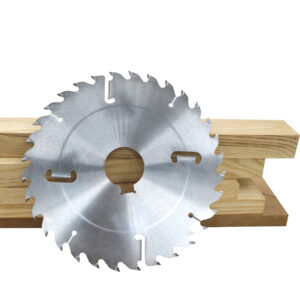
Circular saw blades come in various diameters (e.g., 5-inch, 7-inch, 10-inch) designed for different saws and cutting capacities. The arbor hole (the center hole that mounts the blade to the saw) must precisely match your saw’s spindle size. An improperly sized arbor can cause vibration, inaccurate cuts, and safety risks. Common sizes include 5/8 inch, 1 inch, and even 20mm for some European saws, but always verify your machine’s requirements.
- Prioritize Quality and Material
Investing in a high-quality circular saw blade pays off in the long run. Blades made with high-grade steel or featuring carbide tips offer significantly longer life and better performance. While carbide-tipped circular saw blades may have a higher upfront cost, their extended durability and maintained sharpness make them more economical over time, especially for frequent use or professional work.
- Select the Tooth Count for Desired Finish
The number of teeth on a circular saw blade directly affects the cut’s speed and finish. Blades with fewer teeth cut faster but leave a rougher edge, making them suitable for rough framing or ripping. Blades with more teeth cut slower but produce much smoother finishes, ideal for detail work, fine furniture, and visible cuts. For a good balance, combination blades with around 50 teeth offer versatility for various tasks.
3 Essential Usage and Safety Tips for Circular Saw Blades
- Safety First: Proper Handling and Protective Gear
Always prioritize safety when using any circular saw blade. Before installation, ensure the saw is completely disconnected from power. Always wear appropriate personal protective equipment (PPE), including safety glasses to protect your eyes from flying debris, hearing protection due to the high noise level, and gloves to handle sharp blades safely. Never wear loose clothing or jewelry that could get caught in the machine.
- Correct Installation and Regular Inspection
Improper installation is a common cause of accidents. Ensure the circular saw blade is mounted correctly with the rotation arrows on the blade aligned with the saw’s rotation. The tightening nut must be secured, and all safety guards must be in place and functional. Before each use, inspect the blade for any signs of damage, such as cracks, missing teeth, or significant warping. A damaged blade should be replaced immediately—never use a compromised circular saw blade.
- Appropriate Operation and Maintenance
Use the circular saw blade only for its intended purpose and material. Avoid forcing the saw through the cut; let the blade’s teeth do the work at the appropriate speed. Overfeeding can cause kickback, overheating, and premature dulling. After use, clean the blade to remove pitch and resin buildup, which can affect performance and balance. Store blades properly in a dry place, preferably hanging vertically or in their original packaging, to prevent damage and corrosion.
Conclusion
Choosing the right circular saw blade is a fundamental skill for every woodworker. By understanding the different types of blades and carefully considering your material, saw type, and desired finish, you can significantly improve your woodworking results. Remember that safety, proper installation, and regular maintenance are just as important as the selection process itself. A well-chosen and well-cared-for circular saw blade is an investment that will pay dividends in the quality of your projects for years to come.