
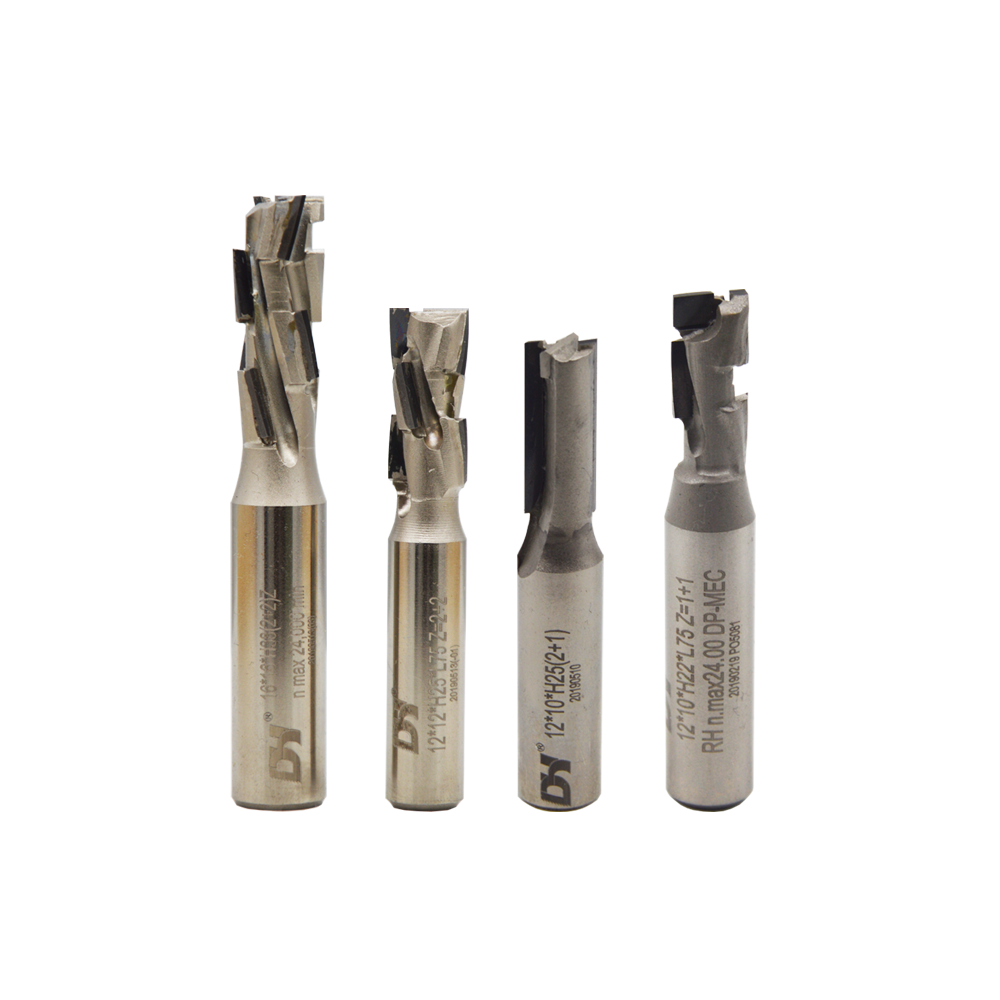

In high-volume woodworking and panel processing, PCD router bits represent the ultimate investment for productivity and surface quality. These polycrystalline diamond-tipped tools offer extraordinary wear resistance, often lasting 50 to 100 times longer than carbide alternatives when processing abrasive materials.
However, even the finest PCD router bits can underperform or fail prematurely when subjected to improper use, incorrect feeds, or inadequate maintenance. Understanding the primary functions of these premium tools, recognizing common operational problems with practical solutions, and following essential safety practices ensures you maximize their exceptional service life and maintain consistent cut quality.
Primary Functions of PCD Router Bits in Woodworking
PCD router bits serve specialized applications where standard carbide tools cannot deliver acceptable tool life or surface finish. Their primary function involves processing highly abrasive materials including medium-density fiberboard (MDF), particleboard, high-pressure laminates, and engineered flooring products containing aluminum oxide finishes. The extreme hardness of polycrystalline diamond—second only to natural diamond—allows PCD router bits to maintain razor-sharp cutting edges through thousands of linear meters of these demanding materials.
Common applications include nesting operations on CNC routers, edge profiling for cabinet doors, grooving for decorative inlays, and trimming laminated panels where chip-free edges are essential. For manufacturers producing RTA (ready-to-assemble) furniture,Cabinet doors, or flooring products, PCD router bits deliver the consistent precision required for automated production lines while minimizing costly tool change downtime.

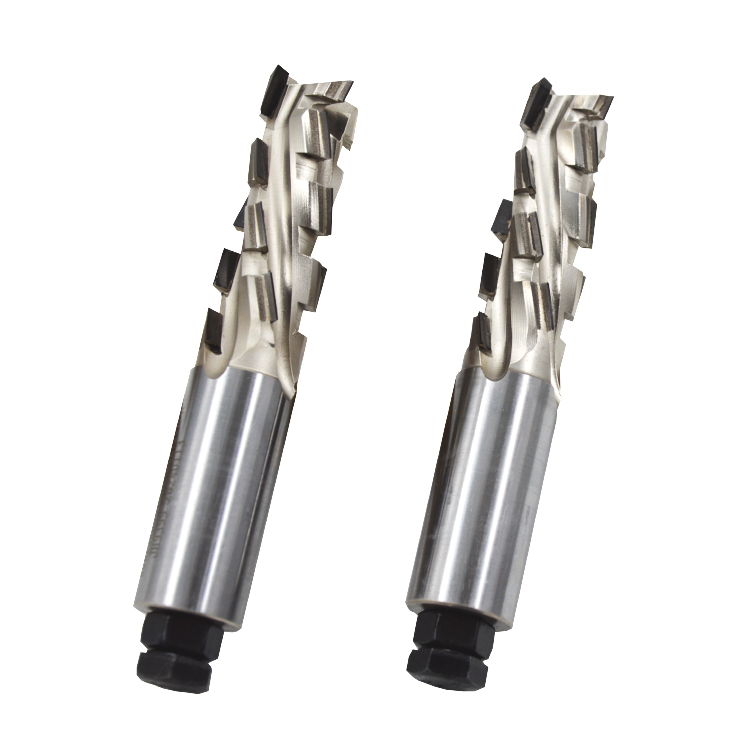
Five Common Problems and Practical Solutions
Problem 1: Chipped or Fractured Cutting Edges
One of the most frustrating issues with PCD router bits is discovering small chips or complete fractures along the diamond cutting edge. This typically occurs when the tool encounters sudden impact loads—hitting embedded nails, staples, or knots in solid wood, or when the machine accelerates too aggressively into dense material.
Solution: First, implement rigorous workpiece inspection protocols to identify and remove any foreign objects before machining. Second, reduce ramping speeds when plunging into materials; PCD router bits perform best with gradual entry rather than aggressive vertical plunges. Third, verify that your CNC router has appropriate acceleration and deceleration settings—excessive jerk forces can fracture the diamond layer. Finally, consider reducing chip load per tooth; while PCD router bits can handle heavy cuts, excessively aggressive feeds invite edge chipping. For problematic applications, select PCD router bits with reinforced edge geometry specifically designed for impact resistance.
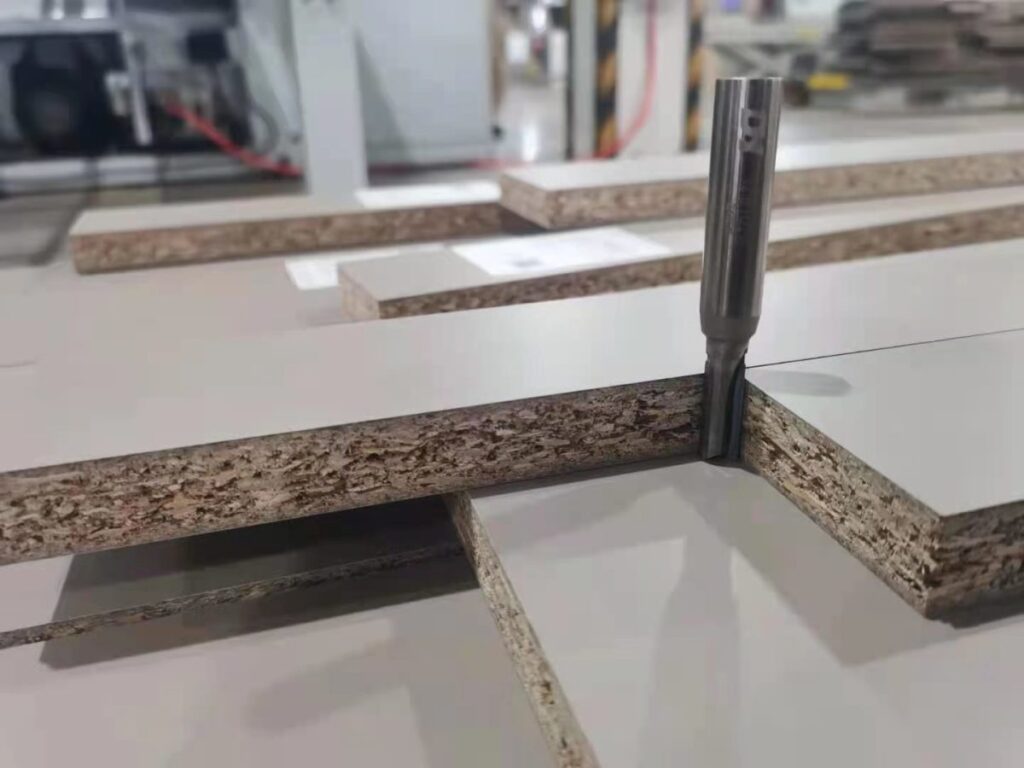
Problem 2: Poor Surface Finish or Burn Marks
When PCD router bits leave rough surfaces, burn marks, or visible tooling lines, the issue often relates to feed speed mismatch, accumulated resin buildup, or spindle runout. This problem defeats the purpose of using premium diamond tooling for quality finishing.
Solution: Check your feed-to-speed ratio first. PCD router bits require adequate chip load to function properly—feeding too slowly causes friction without proper chip formation, generating heat that burns the workpiece. Increase feed rate or reduce spindle RPM to achieve recommended chip thickness. Second, clean the tool thoroughly; resin and pitch buildup on cutting edges dramatically degrades surface finish. Use specialized diamond tool cleaners that remove adhesives without damaging the carbide or diamond surfaces. Third, inspect your spindle and tool holder for runout; even 0.01mm of runout will produce unacceptable finishes with PCD router bits. Replace worn collets and clean spindle tapers regularly.
Problem 3: Premature Dulling or Loss of Cutting Edge
While PCD router bits are renowned for extraordinary wear resistance, operators sometimes experience seemingly premature dulling. This typically indicates processing materials beyond the tool’s specifications or running at incorrect parameters for extended periods.
Solution: Verify that your application truly requires PCD router bits—some materials, particularly those containing aggressive mineral fillers or recycled content, can wear diamond through chemical degradation. Second, ensure adequate coolant or dust extraction; excessive heat buildup from inadequate chip evacuation accelerates edge wear. Third, review your programmed feed rates; running too slowly starves the cutting zone of chips, causing the tool to rub rather than cut. PCD router bits require positive cutting action with appropriate chip thickness. Finally, establish a regrind schedule with a qualified diamond tool service provider—even premium PCD tools eventually require professional resurfacing.

Problem 4: Excessive Vibration or Chatter
Vibration during routing operations damages PCD router bits, reduces spindle life, and produces unacceptable surface quality. This problem typically stems from imbalance, improper tool holding, or machine rigidity issues.
Solution: Have each PCD router bit dynamically balanced, particularly for tools over 20mm diameter or operating above 12,000 RPM. Replace any tool showing signs of imbalance. Second, ensure your tool holder and collet assembly are clean and appropriate for the tool shank size—using undersized or worn collets allows tool movement that induces vibration. Third, examine your CNC gantry and spindle mount for looseness or wear; PCD router bits demand rigid machine platforms. Reduce cutting depth and take multiple passes instead of single heavy cuts if the machine lacks sufficient stiffness.

Problem 5: Difficulty with Chip Evacuation
When chips pack around PCD router bits, cutting efficiency plummets and heat buildup accelerates. This problem frequently occurs when processing resinous or adhesive-coated materials, or when using tools with insufficient flute clearance.
Solution: Select PCD router bits with optimized flute geometry for your specific application—tools designed for MDF have different chip clearance requirements than those for solid wood. Increase dust extraction airflow and position extraction hoods closer to the cutting zone. For deep cuts, consider using PCD router bits with chip-breaking features or reduce depth per pass to allow chips to clear. Apply non-stick coating treatments to the tool if processing particularly sticky materials. Never allow chips to recirculate back into the cut zone, as this causes excessive edge wear and poor finish.
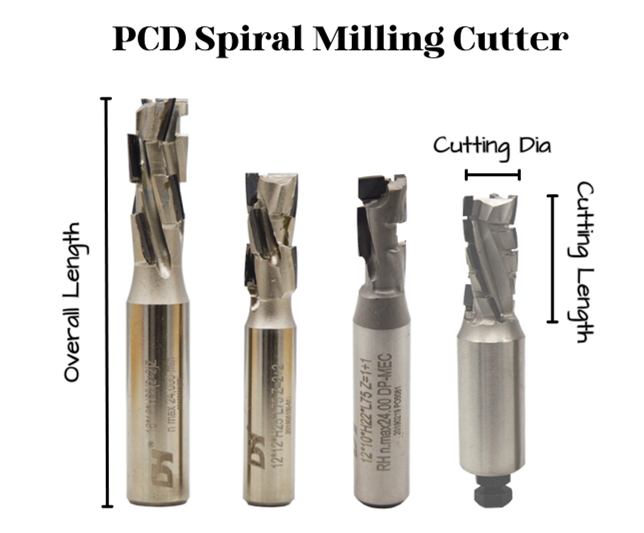
Essential Safety Recommendations for PCD Router Bits
Working with PCD router bits requires heightened safety awareness due to their extreme sharpness and the high-energy environments where they operate. Always wear impact-rated safety glasses or a full face shield—a fractured diamond tip ejected at high speed can cause severe eye injuries. Cut-resistant gloves are essential during tool changes and cleaning but must never be worn while the spindle is rotating. Before installing PCD router bits, inspect for visible cracks, loose brazing, or damaged shanks; discard any tool showing signs of compromise. Secure workpieces firmly using clamps, vacuum pods, or fixtures—any movement during machining can cause tool breakage and workpiece ejection.
Maintain proper dust collection; airborne fine particles from composite materials can be respiratory hazards. Never exceed the maximum RPM rating engraved on the PCD router bit shank, as overspeeding risks catastrophic fragmentation. When changing tools, disconnect power to the spindle completely rather than relying on the machine’s stop button alone. Finally, receive thorough training on your specific CNC router’s safety features and emergency stop procedures before operating with PCD router bits.


Conclusion
PCD router bits deliver exceptional performance and longevity in demanding woodworking applications, but they require proper usage to realize their full potential. By understanding their primary functions in processing abrasive materials and recognizing the five common issues outlined above—chipped edges, poor finish, premature dulling, vibration, and chip packing—operators can implement practical solutions that restore cutting quality and extend tool life. Regular inspection, appropriate feed parameters, proper cleaning, and adherence to safety practices ensure that PCD router bits provide the outstanding return on investment they are designed to deliver. With correct care and operation, these premium diamond tools transform challenging machining operations into efficient, consistent production processes.
Hot Sale Carpentry Machinery Tools Diamond Tooth Milling Cutter Multi Use Industrial PCD Router Bits
Up and Down Cut Compression PCD Router Bit for Timber Wood Log