
 -Bi-metal Band Saw Blade Supplier kwa ajili ya Kukata Mbao
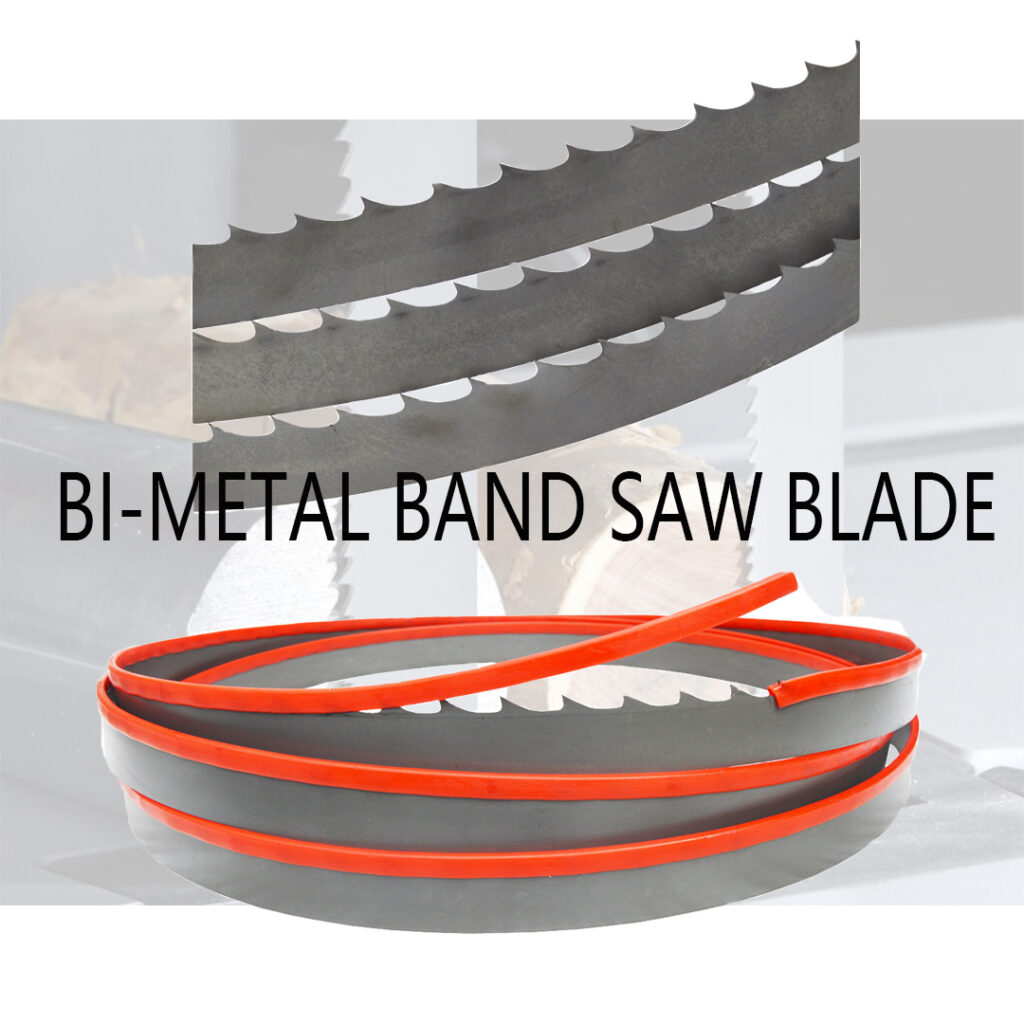 -Bi-metal Band Saw Blade Supplier kwa ajili ya Kukata Mbao
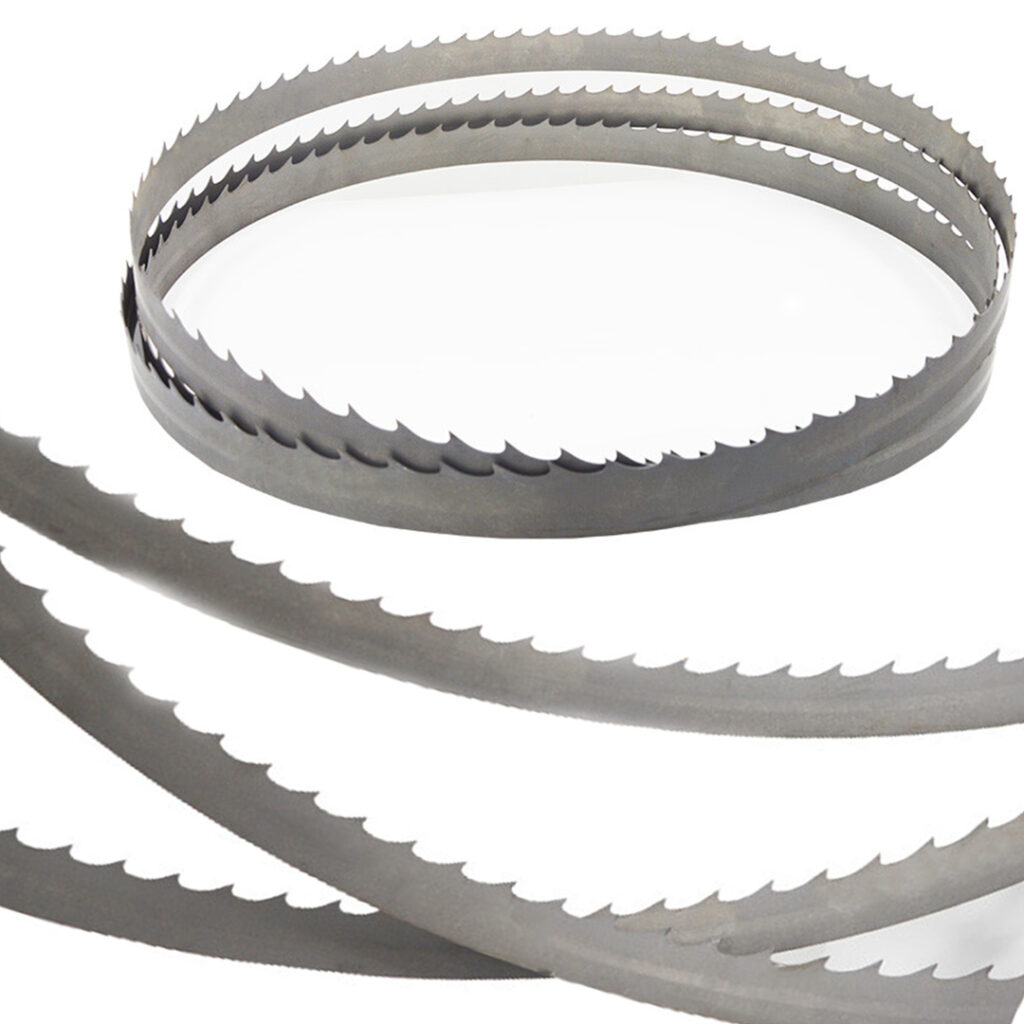
Katika utengenezaji wa miti ya kitaalam, ya Ubao wa bendi ya chuma-mbili imepata sifa ya kudumu na matumizi mengi ya kipekee. Kwa kuchanganya msingi unaonyumbulika wa chuma cha masika na meno ya chuma ya kasi ya juu—mara nyingi chuma cha M42 cha kobalti na ugumu unaofikia 65°–68° HRC—blani hizi hustahimili kuvunjika huku zikidumisha ukali wa kukata kwa muda mrefu zaidi kuliko mbadala wa chuma cha kaboni..【-Msambazaji wa Saw Blade ya Bi-metal kwa ajili ya Kukata Mbao】
Hata hivyo, hata bora zaidi Ubao wa bendi ya chuma-mbili inaweza kufanya vibaya au kushindwa mapema inapotumiwa vibaya, mvutano usio sahihi, au matengenezo yasiyofaa. Kuelewa kazi zao kuu, kutambua matatizo ya kawaida ya uendeshaji na ufumbuzi wa vitendo, na kufuata mbinu muhimu za usalama huhakikisha kuwa unaboresha maisha ya huduma na kupunguza utendakazi wa matoleo haya yanayolipiwa.
Kazi za Msingi za Misumeno ya Bendi ya Bi-metali katika Utengenezaji wa Miti
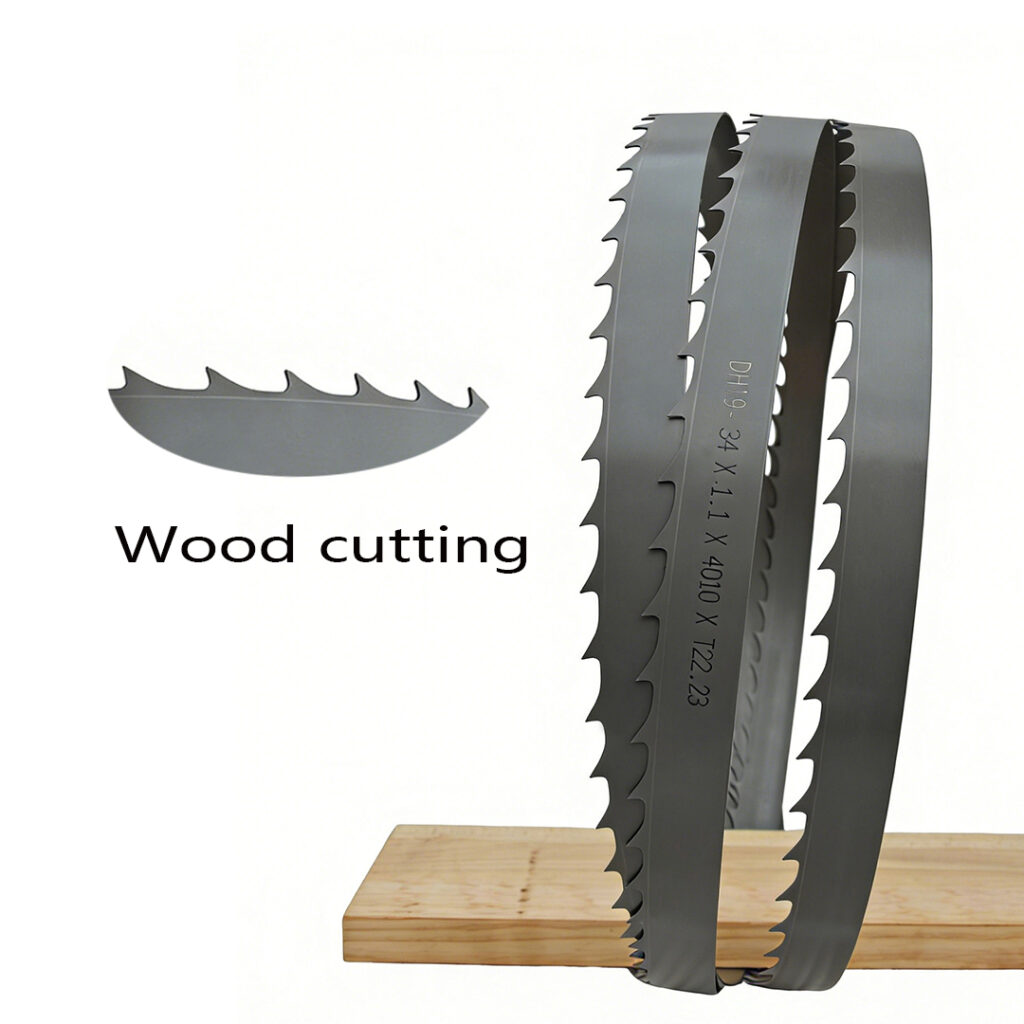
The Ubao wa bendi ya chuma-mbili hutumika kama zana ya kukata miti mingi inayofaa kusindika mbao ngumu, mbao laini, paneli zilizotengenezwa, na hata metali zisizo na feri. Vidokezo vya meno ya chuma ya kasi ya juu hudumisha makali yao wakati wa kukata miti migumu ya kigeni iliyo na silika, mbao zilizorejeshwa na uchafu uliopachikwa, na mbao zilizogandishwa.
Tofauti na vile vile ambavyo vinanyoosha na uchovu, ya Ubao wa bendi ya chuma-mbili huhifadhi mvutano wake na kufuatilia kwa usahihi kupitia uendeshaji wa muda mrefu wa uzalishaji. Matumizi ya kawaida ya mbao ni pamoja na kukata miti ngumu yenye thamani, kukata curves katika vipengele vya samani, usindikaji wa mbao nene kwa mihimili, na kufuta nafasi zilizoachwa wazi kwa ajili ya kugeuza. Kwa warsha za kushughulikia mbao na metali za mara kwa mara, ya Ubao wa bendi ya chuma-mbili huondoa hitaji la mabadiliko ya mara kwa mara ya blade.
Matatizo Matano ya Kawaida na Utatuzi wa Vitendo-【Msambazaji wa Blade ya Bi-metal Band kwa ajili ya Kukata Mbao】
Tatizo 1: Uvaaji wa Meno Kabla ya Wakati au Kung'aa-【Msambazaji wa Blade ya Bi-metal kwa ajili ya Kukata Mbao】
Moja ya malalamiko ya mara kwa mara na Ubao wa bendi ya chuma-mbili meno hupoteza ukali haraka kuliko inavyotarajiwa. Hii kwa kawaida hutokea wakati wa kukata nyenzo za abrasive kama vile ubao wa chembe, plywood, au mbao zilizo na uchafu na silika iliyoingia.
Suluhisho: Kwanza, punguza shinikizo la malisho - nyenzo za kulazimisha kwa fujo hutoa joto ambalo hulainisha ncha za meno. Pili, kuhakikisha kasi sahihi ya blade; kukimbia haraka sana kwenye miti mnene huongeza msuguano kwa kiasi kikubwa. Tatu, kagua kazi yako kwa vitu vya kigeni kama misumari, mawe, au mifuko ya gome kabla ya kukata. Nne, thibitisha kuwa unatumia kipimo sahihi cha meno kwa programu yako; meno mazito kwa ujumla hufanya kazi vizuri zaidi kwa nyenzo laini wakati meno laini hufaa kwa mbao ngumu.
Tatizo 2: Kuvunjika kwa Blade kwenye Weld au Gullet
Wakati Ubao wa bendi ya chuma-mbili ni ya kudumu, inaweza kuruka bila kutarajia wakati inakabiliwa na mkazo wa uchovu, mvutano usiofaa, au ukosefu wa matengenezo. Mipasuko ya nywele mara nyingi huanza kwenye tundu la jino—eneo lenye mkazo wa juu zaidi.
Suluhisho: Angalia mipangilio yako ya mvutano mara moja. Mvutano wa kupita kiasi husisitiza uungaji mkono wa chuma na kukuza uundaji wa nyufa kwenye kiungo cha kulehemu. Misumeno mingi hufanya kazi vizuri zaidi ikiwa na mvutano wa blade uliowekwa kwa kiwango cha chini cha 25,000 psi au kiwango cha juu cha 32,000 psi. Pili, kagua weld ya blade mara kwa mara; weld iliyomalizika vibaya ni hatua ya kawaida ya kushindwa. Tatu, kamwe kuhifadhi Bendi-chuma za kuona vile imejikunja kwa nguvu sana kwa muda mrefu. Nne, toa mvutano wa blade ikiwa mashine haitatumika kwa muda mrefu.
Tatizo 3: Mabedui au Vipunguzi vilivyopotoka
Wakati Ubao wa bendi ya chuma-mbili huanza kukata mstari uliokusudiwa, suala mara nyingi linahusiana na mvutano wa blade, seti ya meno, au mpangilio wa mwongozo. Ubao unaoteleza kando hutoa nyenzo iliyopotea na kuhatarisha usahihi wa sehemu.
Suluhisho: Angalia mvutano wa blade kwanza - chini ya mvutano Bendi-chuma za kuona vile tanga bila kutabirika. Rekebisha kwa vipimo vya mtengenezaji, kisha thibitisha fani za mwongozo zimewekwa vizuri karibu na blade bila kuibana. Pili, kagua muundo wa kuweka meno; seti isiyo sawa husababisha blade kukatwa bila mpangilio. Tatu, hakikisha mwelekeo wa mlisho wako unafuata mwelekeo wa asili wa kukata blade badala ya kulazimisha shinikizo la upande. Kwa shughuli za kusaga upya, fikiria kutumia pana Ubao wa bendi ya chuma-mbili ambayo hutoa nguvu kubwa ya boriti.
Tatizo 4: Nyuso Mbaya au Zilizochanika
Usanifu mbaya wa uso hushinda madhumuni ya kutumia malipo Ubao wa bendi ya chuma-mbili. Tatizo hili kwa kawaida hutokana na meno kutoboka, lami isiyo sahihi ya meno, au kasi isiyofaa ya blade.
Suluhisho: Tumia meno laini kwa kumaliza laini, lakini hakikisha angalau meno mawili yanagusa uso wa kazi. Pili, ongeza kasi ya blade ikiwa mashine yako inaruhusu, kwani kasi za haraka kwa ujumla huboresha umaliziaji wa uso. Tatu, hakikisha sehemu yako ya kazi inalishwa vizuri bila kusita au kuongezeka. Nne, safisha blade vizuri; lami na resini iliyokusanywa kwenye meno huhatarisha ubora wa kukata.
Tatizo 5: Uokoaji mbaya wa Chip au Kuziba kwa Gullet
Wakati vumbi linapakia kati ya meno, ufanisi wa kukata hupungua kwa kiasi kikubwa. Tatizo hili hutokea mara kwa mara wakati wa kukata miti ya kijani au resinous.
Suluhisho: Tumia kipimo cha meno chenye ncha kali zaidi ili kutoa mirija ya ndani zaidi ya kuondoa chip. Pili, kupunguza mzigo kwenye meno kwa kuchukua pasi nyepesi. Tatu, safi ya Ubao wa bendi ya chuma-mbili mara kwa mara na vimumunyisho vinavyofaa. Nne, hakikisha kuwa brashi ya mashine yako inafanya kazi ipasavyo ili kuondoa uchafu kutoka kwenye matumbo.
Kwa Nini Uchague Kikataji cha DH kwa Misumeno ya Bendi ya Bi-metali?
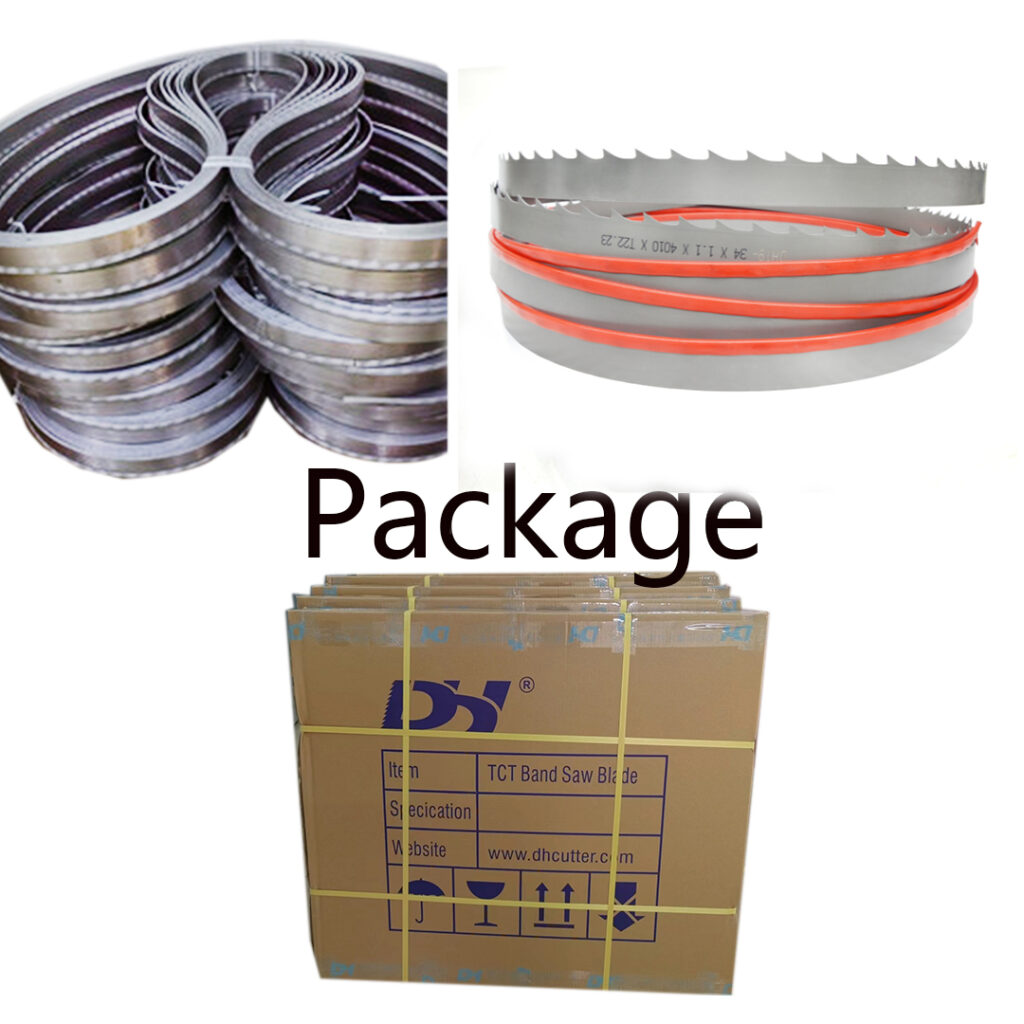
Kwa mbao na wazalishaji wanaotafuta utendaji wa kuaminika na thamani ya muda mrefu, DH Cutter anasimama nje kama chanzo cha kuaminika cha Bendi-chuma za kuona vile. Vipande vyetu vina meno ya chuma ya cobalt M42 yenye joto lililoimarishwa na upinzani wa kuvaa, kutoa mahitaji ya wataalamu wa kudumu.
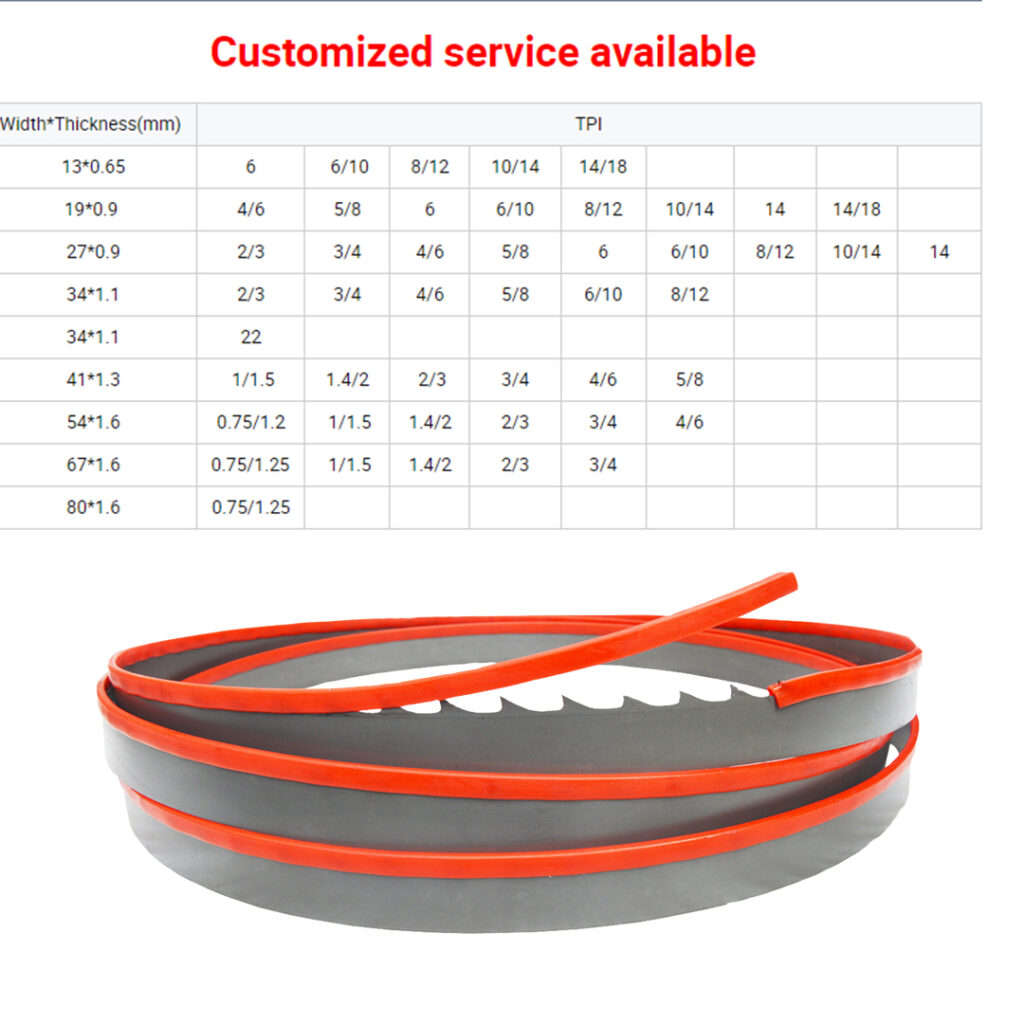
Kutoka kwa mtazamo wa mmiliki wa biashara, pointi za maumivu ni wazi: gharama ya chini kutokana na mabadiliko ya blade, ubora wa kukata usio thabiti unaopoteza nyenzo, na vile vile ambavyo hushindwa mapema. DH Cutter's Bendi-chuma za kuona vile kushughulikia haya ana kwa ana kwa upinzani wa hali ya juu wa uchovu na maisha ya huduma yaliyopanuliwa - kumaanisha mabadiliko machache ya blade, upotevu mdogo, na matokeo ya juu. Inapatikana katika saizi na urefu unaoweza kubinafsishwa, vile vile vinaendana na mashine mbalimbali za usindikaji wa mbao kutoka kwa warsha ndogo hadi mistari mikubwa ya uzalishaji.
Kwa mwendeshaji wa mtumiaji wa mwisho, frustrations mara nyingi ni pamoja na vile kwamba mwanga mdogo haraka sana, meno ambayo hugonga kwenye uchafu uliofichwa, na mapambano ya mara kwa mara ili kufikia kupunguzwa kwa moja kwa moja. Utengenezaji wa usahihi wa DH Cutter huhakikisha jiometri ya meno thabiti, mifumo bora ya kuweka, na welds kuaminika kwamba kusimama na hali ya kudai. Mbao zetu hudumisha ukali kupitia mbao ngumu na mbao zilizogandishwa, kupunguza mzunguko wa mabadiliko ya kati ya kazi ya kukatisha tamaa. Kwa kujitolea kwetu kwa usaidizi wa ubora na msikivu baada ya mauzo, tunakusaidia kuweka uzalishaji ukiendelea vizuri na kwa ufanisi.

Mapendekezo Muhimu ya Usalama kwa Misumeno ya Bendi ya Bi-metali
Kufanya kazi na Ubao wa bendi ya chuma-mbili inahitaji heshima kwa meno yake makali na nguvu zinazohusika katika kukata. Vaa miwani ya usalama kila wakati au ngao ya uso— vile vile vilivyovunjika au vifaa vya kazi vilivyotupwa vinaweza kusababisha majeraha makubwa ya macho.. Glovu zinazostahimili kukatwa hulinda mikono wakati wa mabadiliko ya blade na kusanidi, lakini usivae glavu wakati wa kutumia msumeno, kwani wanaweza kukamata sehemu zinazosonga. Kabla ya kila matumizi, kukagua Ubao wa bendi ya chuma-mbili kwa nyufa, kukosa meno, au welds kuharibiwa; blade iliyoathiriwa inaweza kugawanyika kwa kasi ya kufanya kazi.
Weka mikono angalau inchi sita kutoka eneo la kukata, kutumia vijiti vya kushinikiza au fixtures kwa workpieces ndogo. Hakikisha ulinzi wa blade umewekwa na kurekebishwa ipasavyo—usiwahi kukwepa miingiliano ya usalama. Wakati wa kubadilisha blade, ondoa nguvu kwenye chanzo badala ya kutegemea swichi pekee. Dumisha safi, eneo la kazi lenye mwanga mzuri; uchafu uliokusanyika unaweza kuingilia kati ufuatiliaji wa blade na kuunda hatari za kuteleza. Hatimaye, pata mafunzo sahihi kwenye mashine yako maalum, kwani misumeno tofauti ya bendi ina sifa za kipekee za usalama na taratibu za mvutano wa blade.
Hitimisho
The Ubao wa bendi ya chuma-mbili hutoa usawa bora wa kudumu, kubadilika, na gharama nafuu kwa kudai maombi ya kazi za mbao. Kwa kuelewa kazi zake za msingi na kutambua masuala matano ya kawaida yaliyoainishwa hapo juu—kuvaa kabla ya wakati, kuvunjika kwa blade, kupunguzwa kwa kutangatanga, nyuso mbaya, na uokoaji mbaya wa chip-waendeshaji wanaweza kutekeleza ufumbuzi wa vitendo ambao hurejesha ubora wa kukata na kupanua maisha ya huduma ya blade. Ukaguzi wa mara kwa mara, mvutano sahihi, viwango vya malisho vinavyofaa, na kuzingatia kanuni za usalama kuhakikisha kwamba Ubao wa bendi ya chuma-mbili hutoa utendaji wa kuaminika huku ukidumisha mazingira salama ya kazi. Kwa uangalifu na uangalifu sahihi, blade hizi zinazoweza kutumika nyingi hushughulikia kazi ngumu zaidi za kukata warsha kwa ufanisi na kiuchumi.
Bidhaa Zingine zinazopendekezwa
Ubabe wa msumeno wa meno magumu
Ubao wa Bandsaw kwa Mbao kwa Misumeno ya Bendi Meno Yamegumu
Bendi ya Aloi ya Carbide Sawmill Blade Portable Wood Kukata Blade Saw Stellite Blade
1Ubao Bora wa Msumeno wa Tungsten Carbide kwa Upasuaji na Uchakataji wa Mbao
Wasiliana nasi sasa hivi! | ||
Jina | Anna | |
Tel/Whatsapp/Wechat | +86 13823153384 | |
Barua pepe | ||