
Katika ulimwengu wa ushindani wa utengenezaji wa samani za kimataifa na usindikaji wa kuni, usahihi si lengo tu—ni takwa. Ikiwa wewe ni kiwanda cha ujazo wa juu katika Asia ya Kusini-mashariki au mtengenezaji wa fanicha za mbao huko Uropa., ufanisi wa laini yako ya uzalishaji mara nyingi hutegemea vipengele vidogo zaidi. Miongoni mwa haya, Vipande vya kuchimba visima vya TCT (Tungsten Carbide Tipped) stand out as indispensable tools. These specialized bits are engineered to handle the rigorous demands of boring machines and CNC routers, providing the hardness and heat resistance necessary for modern composite materials and hardwoods. Understanding how to maximize their performance is the difference between a seamless operation and expensive downtime.
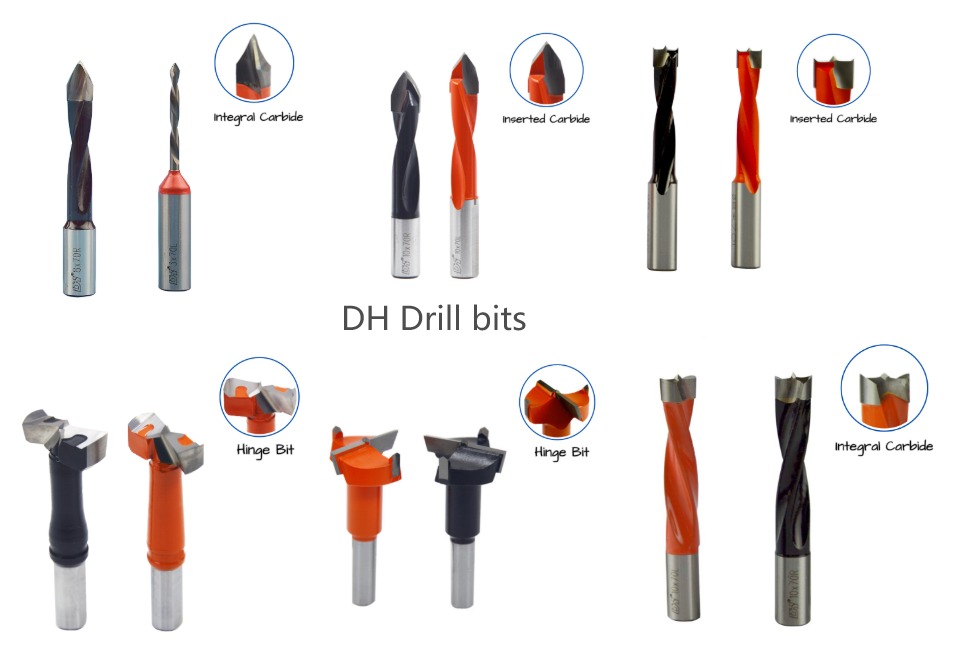
Understanding the Core Functions of Vipimo vya kuchimba visima vya TCT
Before diving into troubleshooting, it is essential to recognize why Vipande vya kuchimba visima vya TCT are the preferred choice for industry professionals. Unlike standard high-speed steel (HSS) tools, TCT tools feature a robust tungsten carbide tip welded to a hardened steel body.
The primary function of these bits is to create clean, splinter-free holes in challenging materials such as MDF, Bodi ya chembe, plywood, and dense hardwoods. In high-speed automated woodworking, they are designed to maintain their sharp cutting edges significantly longer than traditional alternatives. This longevity is crucial for mass production, where frequent tool changes can derail schedules. Zaidi ya hayo, their geometry is optimized for rapid chip clearance, ensuring that holes remain accurate in depth and diameter, which is vital for the structural integrity of flat-pack furniture and cabinetry.

5 Common Problems with TCT Drill Bits and How to Fix Them
Even the highest quality Vipande vya kuchimba visima vya TCT can encounter issues if not used correctly. Here are the five most frequent problems reported by distributors and manufacturers, along with expert advice on how to resolve them.
1. Edge Chipping and Tear-out One of the most frustrating issues is seeing the material “blow out” or chip at the entry or exit point of the hole. This usually happens when the feed rate is too high or the drill bit has lost its micro-sharpness.
- The Solution: Ensure your machine’s RPM matches the diameter of the Vipande vya kuchimba visima vya TCT you are using. If chipping persists, try reducing the downward pressure (kiwango cha malisho). Always inspect the carbide tips for micro-cracks; even a tiny nick can cause significant surface damage to expensive veneers.
2. Overheating and Burning Marks If you notice dark burn marks inside the holes or smoke during the drilling process, the tool is generating excessive friction. This not only ruins the aesthetic of the workpiece but also degrades the carbide’s hardness.
- The Solution: Check for resin or glue buildup on the flutes of the Vipande vya kuchimba visima vya TCT. Cleaning the bits with a specialized solvent can restore their ability to eject chips. Kwa kuongezea, ensure the bit isn’t “dwelling” at the bottom of the hole for too long, which creates unnecessary heat.
3. Inaccurate Hole Positioning or Vibration Vibration during the drilling cycle leads to oversized holes or “wobbling,” which prevents hardware like dowels or cam-locks from fitting securely.
- The Solution: This is often caused by a worn-out machine collet or an improperly seated shank. Ensure the shank of the Vipande vya kuchimba visima vya TCT is fully inserted and tightened. If the problem continues, the machine spindle might require calibration to eliminate run-out.
4. Premature Dullness Distributors often hear complaints that Vipande vya kuchimba visima vya TCT are dulling faster than expected. This is frequently linked to the material being processed, such as high-density fiberboard with high glue content.
- The Solution: Match the grade of carbide to the material. For high-volume abrasive materials, ensure you are using professional-grade bits designed for industrial use. Regular maintenance and timely sharpening by professionals can also extend the tool’s life.
5. Chip Clogging When wood chips cannot escape the hole, they get compressed, leading to increased pressure and potential bit breakage.
- The Solution: Verify that your dust extraction system is operating at full capacity. For deeper holes, fikiria kutumia Vipande vya kuchimba visima vya TCT with a deeper flute design to facilitate better waste removal.
Usalama Kwanza: Working with Bi-Metal Band Saw Blades
While drilling is a core focus, many furniture plants also utilize bi-metal band saw blades for primary wood cutting. Safety is paramount when handling these high-tension tools. Kwanza, always ensure the blade tension is set according to the manufacturer’s specifications; an over-tightened blade can snap, while a loose one can lead to erratic cuts. Pili, never adjust the blade guard while the machine is running. Hatimaye, always wear appropriate eye protection and heavy-duty gloves when changing blades, as the sharp teeth can cause severe injury even when stationary. Keeping these safety protocols in place ensures that your workshop remains productive and accident-free.
The DH Cutter Advantage: Why Professional Buyers Choose Us
Choosing the right supplier is just as important as choosing the right tool. At Mkataji wa DH (Shenzhen Dehuai Technology), we understand the specific pain points of both B2B distributors and large-scale manufacturers.
For our B2B distributors, we solve the problem of inconsistent supply chains and rigid product offerings. With our 27 years of experience and a massive production base equipped with over 90 gear grinding machines, we offer stable lead times and full OEM/ODM customization. Whether you need specific branding, custom sizes, or unique packaging, we provide a one-stop shop that strengthens your local market position.
Kwa industrial manufacturers and retailers, the biggest pain point is often the balance between cost and quality. Mkataji wa DH bridges this gap by offering “factory-direct” usahihi. Our integrated production—from heat treatment to laser cutting—ensures that every one of our Vipande vya kuchimba visima vya TCT meets strict international standards. We eliminate the middleman costs while providing professional technical support to help you solve on-site production challenges. When you partner with us, you are not just buying a tool; you are gaining a technical consultant dedicated to your long-term success.
Hitimisho
Mastering the use of Vipande vya kuchimba visima vya TCT is essential for any serious woodworking operation. By identifying the signs of wear, adjusting machine parameters, and following strict safety guidelines, you can significantly reduce waste and increase your bottom line. As the industry evolves, having a reliable partner like Mkataji wa DH ensures you stay ahead of the curve with cutting-edge technology and unparalleled service.

Carbide Drills CNC Bits Kupitia Shimo Bit kwa ajili ya Woodworking Sekta ya Samani