

Katika utengenezaji wa miti ya kitaalam, ya Ubao wa bendi ya stellite hutoa usawa wa kipekee wa upinzani wa kuvaa na ushupavu, kuifanya kuwa bora kwa kudai shughuli za kusaga upya na upasuaji. Stellite ni aloi ngumu ya cobalt-chromium ambayo hutumiwa kwenye meno ya msumeno kupitia mchakato maalum wa kulehemu., kwa kiasi kikubwa kuongeza upinzani wao wa abrasion ikilinganishwa na vile chuma kiwango.
Mali hii ya kipekee inaruhusu Ubao wa bendi ya stellite kudumisha makali ya kukata kwa muda mrefu, hata wakati wa kusindika mbao ngumu za abrasive. Hata hivyo, hata hizi blade za malipo zinaweza kukumbana na masuala ya utendakazi zinapotumiwa vibaya, mvutano usio sahihi, au matengenezo yasiyofaa.
Kazi za Msingi za Misumeno ya Bendi ya Stellite katika Utengenezaji mbao
The Ubao wa bendi ya stellite hutumika hasa katika uwekaji upyaji upya na upasuaji wa hali ya juu ambapo uimara na ubora wa kukata ni muhimu.. Tofauti na vile vya chuma vya kawaida ambavyo havina nguvu haraka wakati wa kukata miti migumu ya kigeni kama ipe, teak, au jatoba, Meno ya Stellite huhifadhi ukali wao kwa muda mrefu zaidi. Mabao haya yanafaa sana wakati wa kushughulika na kuni zilizo na viwango vya juu vya silicate au wakati wa usindikaji wa mbao zilizorudishwa na uchafu uliopachikwa..
The Ubao wa bendi ya stellite inaweza kuongezwa makali hadi mara kumi, kuifanya kuwa suluhisho la gharama nafuu kwa viwanda vya mbao na warsha kubwa. Programu za kawaida ni pamoja na kutoa vipunguzo vya ubora wa veneer, usindikaji aina za miti ya kitropiki, na kushughulikia mbao ngumu na laini kwa usahihi wa hali ya juu.
Kwa ajili ya shughuli za viwanda zinazohitaji usindikaji unaoendelea wa kiasi kikubwa, Blade za Msumeno wa Kitaalam wa Daraja la Stellite zimeboreshwa kwa ukataji bora wa kuni katika mazingira ya uzalishaji wa kiwango kikubwa.. Imejengwa kwa chuma cha hali ya juu na meno yenye ncha ya Stellite, blade hizi hutoa usahihi, utulivu, na kupanuliwa kwa maisha, kupunguza muda na kuongeza tija kwa ujumla.

Matatizo Matano ya Kawaida na Masuluhisho ya Vitendo
Tatizo 1: Kudhoofisha Vidokezo vya Stellite Mapema
Moja ya masuala ya kukatisha tamaa na Ubao wa bendi ya stellite meno hukauka haraka kuliko inavyotarajiwa. Hii kwa kawaida hutokea wakati blade inasukumwa zaidi ya uwezo wake kwenye nyenzo zenye abrasive au wakati kuni ina silika au uchafu mwingi..
Suluhisho: Kwanza, thibitisha kuwa unatumia blade sahihi kwa nyenzo yako. Wakati Stellite ni ya kudumu, miti yenye silika ya hali ya juu sana kama teak inaweza kuhitaji vile vya CARBIDE. Pili, kupunguza shinikizo la chakula; kulazimisha nyenzo pia kwa fujo hutoa joto ambalo linaweza kuathiri muundo wa jino. Tatu, kuhakikisha kasi sahihi ya blade; kukimbia haraka sana huongeza msuguano na kuongeza kasi ya kuvaa. Hatimaye, kagua kazi yako kwa vitu vya kigeni kama misumari, mawe, au mchanga uliowekwa kwenye gome kabla ya kukata. Pia, hakikisha kuwa unafuata utaratibu ufaao wa kuvunja blade kwa kupunguza shinikizo la malisho kwa mikato michache ya kwanza.
Tatizo 2: Kuvunjika kwa meno au kukatika
Meno kwenye a Ubao wa bendi ya stellite inaweza kupasuka au kupasuka inapopakiwa na mshtuko—kukutana na vitu vigumu kwa ghafula, kulazimisha blade katika curves tight, au kutumia shinikizo kubwa la malisho kwenye nyenzo zenye mnene. Tofauti na carbudi, Stellite haina brittle kidogo lakini bado inaweza kuvunjika chini ya athari kali.
Suluhisho: Badilisha blade mara moja ikiwa meno hayapo, kama blade iliyoharibiwa huhatarisha kushindwa kwa janga. Ili kuzuia kurudia, epuka nyenzo za kulisha na vifungo vilivyo huru au kuingizwa kwa gome. Pili, punguza shinikizo la malisho wakati wa kupunguzwa na epuka kulazimisha blade kuzunguka radii kali ambayo inazidi uwezo wa muundo wa blade.. Tatu, hakikisha miongozo yako ya blade imerekebishwa ipasavyo; kibali nyingi huruhusu blade kupotosha, kuweka meno ya mtu binafsi kwa mizigo isiyo na uwiano.

Tatizo 3: Mabedui au Vipunguzi vilivyopotoka
Wakati Ubao wa bendi ya stellite huanza kukata mstari uliokusudiwa, suala mara nyingi linahusiana na mvutano wa blade, seti ya meno, au mpangilio wa mwongozo. Ubao unaoteleza kando hutoa nyenzo iliyopotea na kuhatarisha usahihi wa sehemu.
Suluhisho: Angalia mvutano wa blade kwanza-blade zisizo na mvutano huzunguka bila kutabirika. Angalia mapendekezo ya mtengenezaji wa saw kwa mvutano unaofaa, kisha thibitisha fani za mwongozo zimewekwa vizuri karibu na blade bila kuibana. Pili, kukagua makadirio ya upande (seti ya meno); ikiwa seti imeharibiwa au imevaliwa wakati wa mizunguko ya awali ya kunoa, blade haitakata moja kwa moja. The Ubao wa bendi ya stellite inahitaji kusaga upande badala ya kuweka baada ya kunoa. Tatu, hakikisha mwelekeo wa mlisho wako unafuata mwelekeo wa asili wa kukata blade badala ya kulazimisha shinikizo la upande.
Tatizo 4: Kuvunjika kwa Blade kwenye Weld au Gullet
Wakati Ubao wa bendi ya stellite ni ya kudumu, inaweza kuruka bila kutarajia wakati inakabiliwa na mkazo wa uchovu, mvutano usiofaa, au ukosefu wa matengenezo. Mipasuko ya laini ya nywele mara nyingi huanza kwenye tundu la jino—eneo la mkazo wa juu zaidi—na hukua baada ya muda ikiwa blade haijachakatwa tena mara kwa mara..
Suluhisho: Kusaga wasifu mara kwa mara ni muhimu kwa kuzuia kuvunjika. The Ubao wa bendi ya stellite lazima iwekwe upya kabla ya nyufa kutokea, hata wakati baadhi ya meno bado hayajauma. Fuata ratiba ya kunoa kwa kutumia mashine maalumu za kusaga. Pili, epuka kuimarisha blade-hii inasisitiza uungaji mkono wa chuma na kuharakisha uundaji wa nyufa. Tatu, kagua weld ya blade mara kwa mara; weld iliyomalizika vibaya ni hatua ya kawaida ya kushindwa. Wakati wa kusakinisha mpya Ubao wa bendi ya stellite, fanya utaratibu sahihi wa kuingia kwa kukimbia kwenye malisho iliyopunguzwa kwa kupunguzwa kadhaa za kwanza.

Tatizo 5: Alama za Kuchoma au Nyuso Zilizoangaziwa
Alama za kuchoma kwenye sehemu ya kazi zinaonyesha joto la msuguano mwingi linalotokana na Ubao wa bendi ya stellite. Tatizo hili kwa kawaida hutokana na meno kutoboka, kasi ya kulisha haitoshi, au mkusanyiko wa resin kwenye kingo za kukata.
Suluhisho: Piga makali tena kwa ishara ya kwanza ya uharibifu wa uso. Visu vya bendi ya stellite zimeundwa kwa ajili ya kusaga kitaalamu kwa kutumia mashine zinazofaa. Pili, kuongeza kasi ya kulisha; kinyume na intuition, kulisha haraka hupunguza kuungua kwa sababu kila jino huchukua chip kinene ambacho hubeba joto mbali na eneo la kukata. Tatu, safisha blade vizuri; lami na resini iliyokusanyika kwenye meno huzuia joto na kuunda msuguano. Kwa miti ya resinous, weka vilainisho maalum kwenye blade kati ya kupita. Hatimaye, punguza kina cha kata ikiwa kuchoma kutaendelea-kuchukua pasi nyingi nyepesi huzalisha msuguano mdogo.

Mapendekezo Muhimu ya Usalama kwa Misumeno ya Bendi ya Stellite
Kufanya kazi na Ubao wa bendi ya stellite inahitaji kufuata madhubuti kwa mazoea ya usalama. Vaa miwani ya usalama kila wakati au ngao ya uso; vile vile vilivyovunjika au vipande vya kazi vilivyotupwa vinaweza kusababisha majeraha makubwa ya macho. Kinga zinazostahimili kukatwa hulinda mikono wakati wa mabadiliko ya blade, lakini usivae glavu wakati wa kutumia msumeno, kwani wanaweza kukamata sehemu zinazosonga. Kabla ya kila matumizi, kukagua Ubao wa bendi ya stellite kwa nyufa, kukosa meno, au welds kuharibiwa; blade iliyoathiriwa inaweza kugawanyika kwa kasi ya kufanya kazi.
Weka mikono vizuri kutoka kwa eneo la kukata, kutumia vijiti vya kushinikiza au fixtures kwa workpieces ndogo. Hakikisha ulinzi wa blade umewekwa na kurekebishwa ipasavyo—usiwahi kukwepa miingiliano ya usalama. Wakati wa kubadilisha blade, ondoa nguvu kwenye chanzo. Dumisha eneo safi la kazi; uchafu uliokusanywa unaweza kuingilia kati ufuatiliaji wa blade. Zaidi ya hayo, kusaga na kunoa Visu vya bendi ya stellite inaweza kutolewa kwa metali zinazopeperuka hewani; hakikisha uingizaji hewa ufaao na tumia kinga ifaayo ya upumuaji inapobidi.
Hitimisho
The Ubao wa bendi ya stellite hutoa usawa bora wa kudumu, uhifadhi mkali, na gharama nafuu kwa kudai maombi ya kazi za mbao. Kwa kuelewa kazi zake za msingi na kutambua masuala matano ya kawaida yaliyoainishwa hapo juu—kunyamaza mapema, kuvunjika kwa meno, kupunguzwa kwa kutangatanga, kuvunjika, na alama za kuchoma-waendeshaji wanaweza kutekeleza ufumbuzi wa vitendo ambao hurejesha ubora wa kukata na kupanua maisha ya huduma ya blade.
Kusaga wasifu mara kwa mara, mvutano sahihi, na kuzingatia kanuni za usalama kuhakikisha kwamba Ubao wa bendi ya stellite hutoa utendaji wa kuaminika huku ukidumisha mazingira salama ya kazi. Na chaguzi za saizi maalum zinazopatikana kuendana na mashine anuwai za usindikaji wa kuni, kutoka kwa warsha ndogo hadi mistari mikubwa ya uzalishaji, blade zenye ncha ya Stellite za daraja la kitaaluma hutoa ufanisi wa kukata ulioimarishwa, kupunguzwa kwa vibration, na usahihi wa hali ya juu kwa miradi ya utengenezaji miti inayohitaji matokeo ya daraja la kitaaluma.

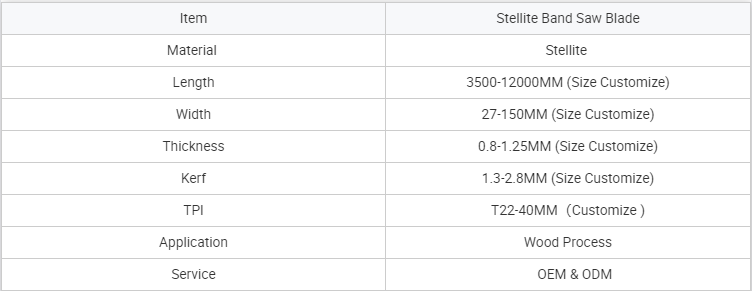
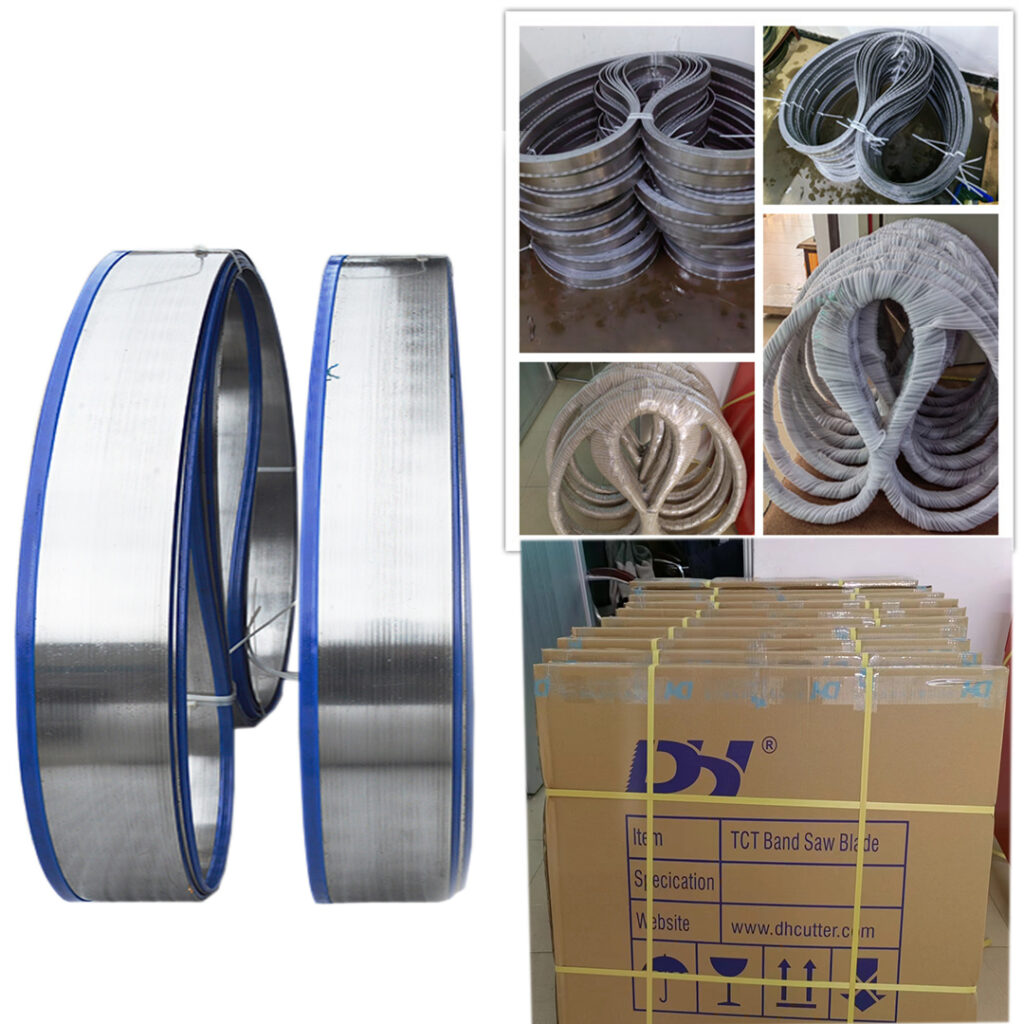
Bendi ya Aloi ya Carbide Sawmill Blade Portable Wood Kukata Blade Saw Stellite Blade
Huduma Iliyobinafsishwa Inapatikana Kwa Utengenezaji wa Mbao Ubao wa Kukata Mbao wenye Tipped
Mapendekezo mengine