
In woodworking workshops and industrial cutting environments, Teeth hardened band saw blades offer an excellent balance of affordability and performance. By selectively hardening only the tooth tips while keeping the blade body flexible, these blades resist wear better than standard carbon steel options without the higher cost of carbide-tipped alternatives.
Hata hivyo, even reliable Teeth hardened band saw blades can develop issues when used improperly. Recognizing common problems and knowing how to resolve them quickly not only extends blade life but also maintains cut quality and prevents costly downtime. This article covers the essential functions of Teeth hardened band saw blades, five frequent operational issues with practical solutions, and critical safety recommendations.
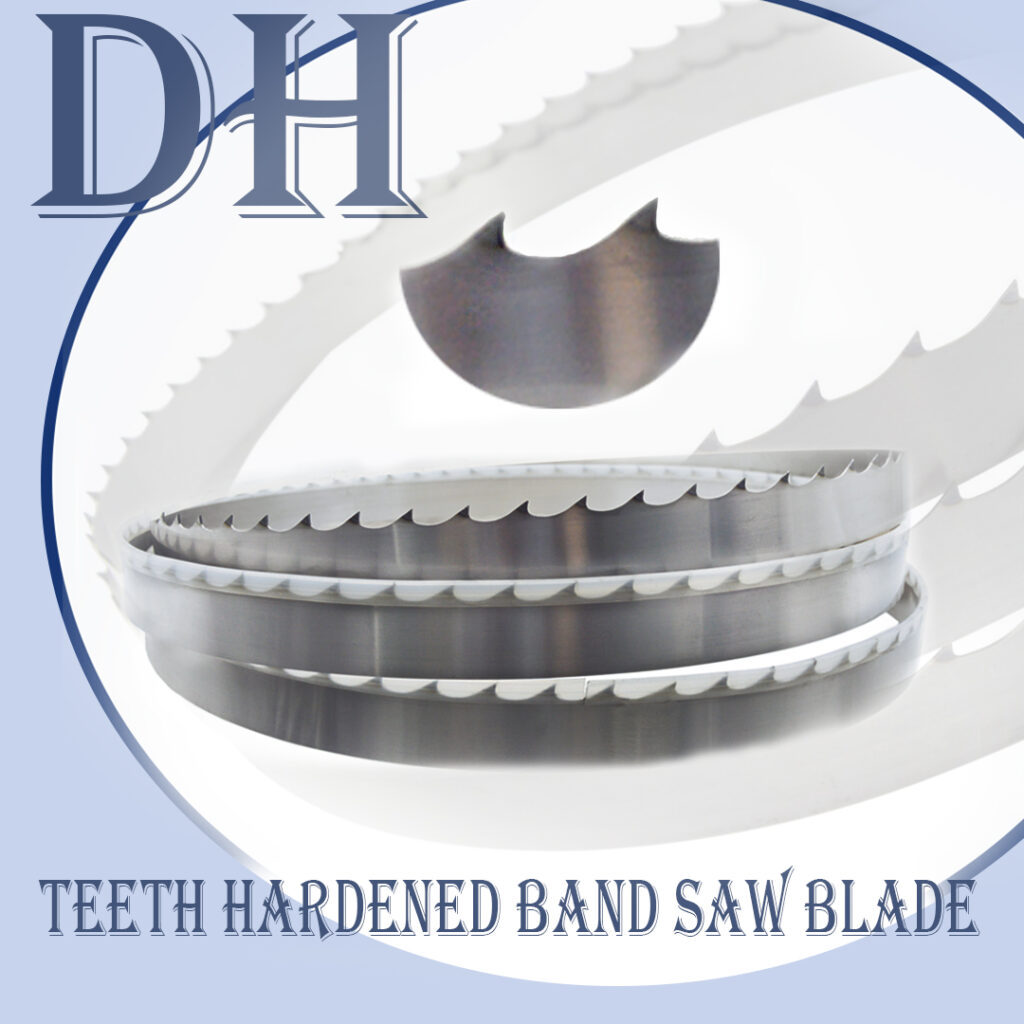
Primary Functions of Teeth Hardened Band Saw Blades in Woodworking
Teeth hardened band saw blades serve as versatile workhorses in woodworking applications where moderate production volumes and material variety make premium blades unnecessarily expensive. The selective hardening process creates teeth that maintain sharpness longer than standard blades when cutting clean softwoods, hardwoods, and many composite materials. Common applications include contour cutting in furniture production, resawing lumber in small to medium workshops, and general fabrication where occasional abrasive materials are encountered.
Unlike fully hardened blades that become brittle, Teeth hardened band saw blades retain a flexible backing that withstands the repeated flexing around band wheels, making them ideal for curved and intricate cuts. Their cost-effectiveness makes them particularly popular in educational workshops, job shops, and maintenance departments where blade budgets are constrained but performance expectations remain high.


Matatizo Matano ya Kawaida na Masuluhisho ya Vitendo
Tatizo 1: Rapid Blunting or Dulling
One of the most frequent complaints with Teeth hardened band saw blades meno hupoteza ukali haraka kuliko inavyotarajiwa. This typically occurs when cutting abrasive materials such as MDF, Bodi ya chembe, or wood containing embedded dirt or silica. The hardened tooth tips, while tougher than standard steel, cannot match the wear resistance of carbide.
Suluhisho: Kwanza, verify you are using the correct blade for your material. Teeth hardened band saw blades perform best on clean, natural woods. Switch to carbide-tipped blades for abrasive composites or recycled lumber containing debris. Pili, punguza shinikizo la malisho - nyenzo za kulazimisha kwa fujo hutoa joto ambalo huharakisha uchakavu. Tatu, kuhakikisha kasi sahihi ya blade; running too fast on hard woods increases friction dramatically. Hatimaye, inspect your workpiece for foreign objects like nails or stones before cutting.
Tatizo 2: Cracked or Missing Teeth
Finding broken or missing teeth on Teeth hardened band saw blades is dangerous and compromises cut quality. Tatizo hili kwa kawaida hutokana na upakiaji wa mshtuko-ghafla kukutana na vitu vigumu, kulazimisha blade katika curves tight, au kutumia shinikizo kubwa la malisho kwenye nyenzo zenye mnene.
Suluhisho: Badilisha blade mara moja ikiwa meno hayapo, as running a damaged blade risks catastrophic failure. Ili kuzuia kurudia, punguza shinikizo la malisho wakati wa kupunguzwa na epuka kulazimisha blade kuzunguka radii kali ambayo inazidi uwezo wa muundo wa blade.. For curved cuts, select a narrower blade specifically designed for contour work. Zaidi ya hayo, ensure your blade guides are properly adjusted—excessive clearance allows the blade to twist, kuweka meno ya mtu binafsi kwa mizigo isiyo na uwiano.
Tatizo 3: Wavy or Uneven Cuts
Wakati Teeth hardened band saw blades produce wavy surfaces instead of straight, clean cuts, the issue often relates to tension, seti ya meno, or blade condition. Wavy cuts waste material and require additional finishing work.
Suluhisho: Angalia mvutano wa blade kwanza - chini ya mvutano Teeth hardened band saw blades wander and produce undulating surfaces. Follow your saw manufacturer’s tension recommendations carefully. Inayofuata, kagua muundo wa kuweka meno; seti isiyo sawa husababisha blade kukatwa bila mpangilio. Ikiwa blade imefanywa upya mara kadhaa, seti inaweza kuathiriwa na uingizwaji ni muhimu. Also verify that feed pressure is consistent; surging or uneven feeding produces wavy patterns. Hatimaye, check wheel condition—worn rubber tires cause blade flutter that transfers to the cut surface.
Tatizo 4: Excessive Blade Breakage
Wakati Teeth hardened band saw blades are designed for flexibility, they can snap prematurely when subjected to fatigue stress, mvutano usiofaa, or storage damage. Breakage damages workpieces and poses serious safety hazards.
Suluhisho: Avoid over-tensioning the blade—this stresses the steel backing and accelerates crack formation. Kinyume chake, under-tensioning allows excessive flexing that fatigues the metal at the weld joint. When installing new Teeth hardened band saw blades, fanya utaratibu sahihi wa kuingia kwa kukimbia kwenye malisho iliyopunguzwa kwa kupunguzwa kadhaa za kwanza. Store blades hanging vertically, never coiled tightly, as tight coiling introduces stress points that lead to cracking. Inspect the blade weld regularly; weld iliyomalizika vibaya ni hatua ya kawaida ya kushindwa. Also ensure band wheels are coplanar and properly aligned.
Tatizo 5: Poor Chip Evacuation
When sawdust packs between the teeth of Teeth hardened band saw blades, ufanisi wa kukata hupungua kwa kiasi kikubwa. This problem typically occurs when cutting green or resinous woods, or when using blades with insufficient gullet depth for the material thickness.
Suluhisho: Select blades with deeper gullets when processing softwoods or green lumber. Kwa miti ya resinous, periodic cleaning with appropriate solvents removes pitch buildup that traps chips. Reduce feed rate to give chips time to clear the cut zone. If your machine has a chip blower or brush, ensure it is functioning properly. For particularly problematic materials, consider Teeth hardened band saw blades with variable tooth pitch, which helps break up continuous chip formation. Never allow chips to accumulate around the blade guides, as packed debris generates heat that affects tooth hardness.

Essential Safety Recommendations for Teeth Hardened Band Saw Blades
Kufanya kazi na Teeth hardened band saw blades inahitaji kufuata madhubuti kwa mazoea ya usalama. Vaa miwani ya usalama kila wakati au ngao ya uso, as broken teeth or thrown blades can cause serious eye injuries. Glovu zinazostahimili kukatwa hulinda mikono wakati wa mabadiliko ya blade na kusanidi, but never wear gloves when operating the saw—they can catch on moving parts. Kabla ya kila matumizi, inspect the blade for cracks, kukosa meno, au welds kuharibiwa; blade iliyoathiriwa inaweza kugawanyika kwa kasi ya kufanya kazi. Weka mikono angalau inchi sita kutoka eneo la kukata, kutumia vijiti vya kushinikiza au fixtures kwa workpieces ndogo.
Ensure blade guards are in place and properly adjusted—never bypass safety interlocks or remove guards for convenience. Wakati wa kubadilisha blade, ondoa nguvu kwenye chanzo badala ya kutegemea swichi pekee. Dumisha safi, eneo la kazi lenye mwanga karibu na saw; slippery floors or cluttered workspaces contribute to accidents. Hatimaye, pata mafunzo sahihi kwenye mashine yako maalum, as different band saws have unique safety characteristics.
Hitimisho
Teeth hardened band saw blades provide an excellent cost-performance balance for a wide range of woodworking applications. By understanding their primary functions and recognizing the five common issues outlined above—rapid blunting, cracked teeth, wavy cuts, kuvunjika, na uokoaji mbaya wa chip-waendeshaji wanaweza kutekeleza ufumbuzi wa vitendo ambao hurejesha ubora wa kukata na kupanua maisha ya huduma ya blade. Ukaguzi wa mara kwa mara, mvutano sahihi, viwango vya malisho vinavyofaa, na kuzingatia kanuni za usalama kuhakikisha kwamba Teeth hardened band saw blades deliver reliable performance while maintaining a safe work environment. Kwa uangalifu na uangalifu sahihi, these versatile blades handle the majority of workshop cutting tasks effectively and economically.
Mbao za Bandsaw za Kukata Mbao Bandsaw kwa Mbao Ngumu Horizontal Wood Band Saw
Kaboni Steel SK5 Material Wood Band Blade Saw na Meno Ngumu na Coil
Other Recommendations
Food Band Saw Blade(Teeth Hardened)
Bendi ya Aloi ya Carbide Sawmill Blade Portable Wood Kukata Blade Saw Stellite Blade