

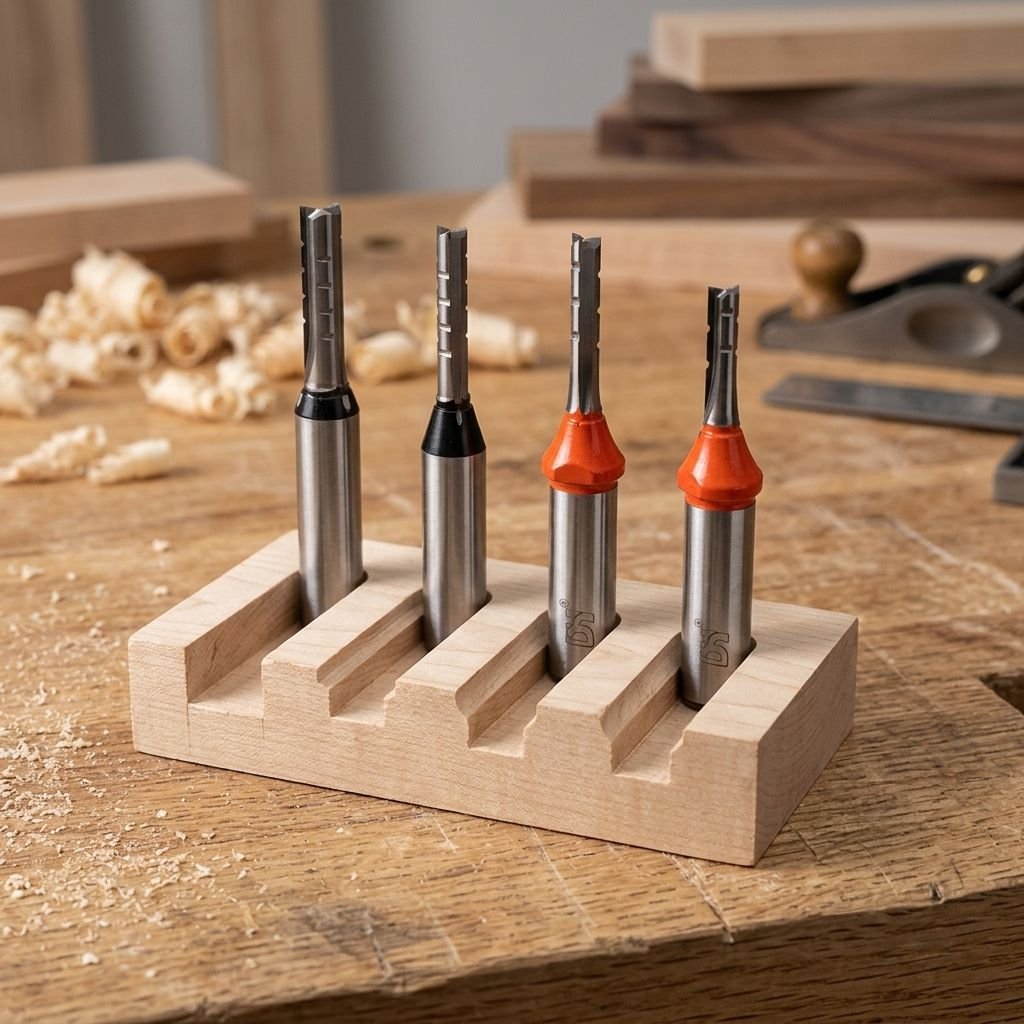
In modern panel processing and furniture manufacturing, the TCT sizing cutter is the workhorse tool for cutting large-format boards into accurately dimensioned components. These tungsten carbide-tipped routers transform plywood, particleboard, MDF, and melamine-faced panels into cabinet parts, wardrobe components, and flat-pack furniture pieces.
However, even the finest TCT sizing cutter can fail unexpectedly—and breakage is one of the most frustrating and costly problems in any woodworking shop. Understanding the primary functions of these tools, recognizing the five most common causes of breakage with practical solutions, and following essential safety practices ensures you maximize tool life and keep production running smoothly.
Primary Functions of TCT Sizing Cutters in Woodworking
The TCT sizing cutter serves the essential function of dimensioning panels—cutting large boards into precise rectangular components with clean, square edges ready for edge banding or assembly. The tungsten carbide cutting edges shear through engineered wood materials at high spindle speeds, delivering smooth cross-sections and accurate dimensions.
Common applications include nesting cabinet parts, sizing wardrobe panels, cutting melamine-faced chipboard for custom furniture, and processing plywood for structural components. Unlike standard steel routers that dull rapidly on abrasive panels, the TCT sizing cutter maintains its cutting geometry through extended production runs, reducing downtime and ensuring consistent part dimensions. Whether mounted on a CNC nesting machine or a manual router table, these tools are essential for any operation producing panel furniture at scale.

Five Common Problems and Practical Solutions
Problem 1: Tool Breakage from Chuck and Spindle Issues
The most common cause of TCT sizing cutter breakage is not the tool itself but the clamping system. Worn or contaminated collets (ER collet chucks) are a leading culprit—resin and wood dust accumulate inside the collet, causing the tool to run off-center and vibrate at high speed. Uneven cutting forces then snap the brittle carbide edge. Aged collets with reduced elasticity are often the hidden reason why a brand-new tool breaks just as quickly as the old one.
Solution: Clean collets thoroughly and regularly with appropriate solvents. Inspect collets for wear, deformation, or embedded debris—replace any collet showing signs of fatigue. Second, verify correct tool insertion depth: too shallow leaves excessive overhang that amplifies vibration and snaps the tool at its base; too deep seats the shank against the chuck step, causing abnormal clamping forces and poor concentricity.
Third, check spindle accuracy—worn bearings or a non-perpendicular spindle cause runout that destabilizes the TCT sizing cutters. Use a dial indicator to measure spindle runout. Finally, tighten the collet nut correctly: too loose causes slippage, too tight deforms the collet.
Problem 2: Breakage from Improper Cutting Parameters
The second most frequent cause of TCT sizing cutters failure is incorrect machining parameters. Feeding too fast overloads the cutting edge, and the brittle carbide simply twists off. Incorrect spindle speed compounds the problem: too slow means each tooth bites too deeply, while too fast overheats the edge until it softens and fractures. Taking too deep a cut in a single pass exceeds the flute length, packing chips and concentrating heat.
Solution: Reduce feed rate to match the tool’s capacity and the material being cut. Match spindle speed to the cutter diameter and material—consult manufacturer recommendations. For thick panels, use layered depth passes or ramp entry (diagonal plunging) instead of a single full-depth cut. For corners and 90-degree direction changes, program arc lead-ins and lead-outs to avoid sudden lateral impact loads that snap slender tools. A quick diagnostic tip: breakage at the carbide edge points to fast parameters, hard inclusions, dullness, or poor chip evacuation; breakage at the weld points to poor weld quality or excessive load; breakage at the shank points to chuck runout, poor clamping, or spindle accuracy issues.


Problem 3: Breakage from Poor Workpiece Hold-Down
A TCT sizing cutter can break when the panel moves during cutting. Vacuum table leaks, blocked suction cups, or worn table surfaces allow the workpiece to lift and chatter slightly—and narrow strips or small parts are the most likely to rebound and strike the tool.
Solution: Check the vacuum table for leaks and clean or replace blocked suction cups. Resurface or replace worn table boards. Verify that vacuum pressure is adequate for the panel size and weight. For small or narrow parts, use gasketing tape or leave an onion-skin layer to maintain vacuum seal. Ensure the TCT sizing cutter program accounts for part geometry so that small pieces remain firmly held throughout the cut.

Problem 4: Breakage from Contaminants and Material Hardness
Panels often contain hidden hazards—nails, staples, stones, or hard resin nodules, especially in particleboard and multi-layer boards. Striking a hard object instantly chips or snaps the carbide edge of a TCT sizing cutter. High-density boards and high-glue multi-layer panels also create cutting resistance far greater than standard materials; if parameters are not reduced, breakage follows.
Solution: Inspect panels for foreign objects before loading. For reclaimed or suspect material, use a metal detector. Reduce feed rates and depth of cut when processing high-density and high-glue panels. Recognize that the TCT sizing cutter needs gentler parameters on harder materials—never assume the same settings work across all panel types.
Problem 5: Breakage from Moisture, Glue, and Chip Packing
Damp panels and glue-rich layers generate heat during cutting, causing resin to adhere to the tool and block chip evacuation. The TCT sizing cutter then runs hot and fatigued, leading to fracture. This problem is especially common when cutting multi-layer boards with heavy adhesive content.
Solution: Store panels in dry conditions and allow them to acclimatize before machining. Use appropriate feed and speed to prevent heat buildup. Clean the TCT sizing cutter regularly to remove resin and pitch accumulation—polish the cutting edges when they begin to feel sticky. Ensure adequate dust extraction so chips evacuate freely and do not recirculate into the cutting zone.
The DH Brand Advantage: Reliable Supply and Expert Support
For panel processors seeking dependable tooling and long-term value, DH brand TCT sizing cutters offer compelling advantages built on 27 years of industry experience. DH understands that every production line has unique requirements—which is why we provide fast delivery, professional engineering guidance, and responsive after-sales support.
Our TCT sizing cutters are available in a full range of sizes to match any machine and application, with custom geometries and specifications produced to your exact requirements. Our experienced engineers help you select the right tool, set optimal parameters, and troubleshoot breakage problems quickly.
DH’s diverse woodworking tool supply covers the full range of panel processing needs—from sizing cutters to drill bits, from router bits to cutter heads—with consistently high quality and extended tool life. For both self-operating producers and tool distributors, DH provides guaranteed supply that saves cost and frees up time and energy to focus on building great products and serving their own customers. With fast response after-sales guidance and 27 years of manufacturing expertise behind every tool, DH is the partner you can rely on.

Essential Safety Recommendations for TCT Sizing Cutters
Working with the TCT sizing cutters requires strict adherence to safety practices. Always wear impact-rated safety glasses or a full face shield—a broken carbide fragment ejected at high speed can cause severe eye injuries. Cut-resistant gloves protect hands during tool changes but must never be worn while the spindle is rotating. Before each use, inspect the TCT sizing cutters for cracks, chipped edges, or damaged brazing; a compromised tool can fragment at operating speed.
Never exceed the maximum RPM rating engraved on the shank. Ensure the collet and nut are clean and properly tightened before starting the spindle. Secure work pieces firmly with adequate vacuum or clamping—never reach into the cutting zone while the machine is running. When changing tools, disconnect power completely. Maintain proper dust extraction; airborne fine particles from engineered panels are respiratory hazards. Finally, receive thorough training on your specific CNC machine’s safety features and emergency stop procedures before operating with any TCT sizing cutters.

Conclusion
The TCT sizing cutters is essential for efficient, accurate panel processing, but breakage can halt production and drive up costs. By understanding its primary functions and recognizing the five common causes of failure outlined above—chuck and spindle issues, improper parameters, poor workholding, contaminants, and heat from moisture and glue—operators can implement practical solutions that prevent breakage and extend tool life.
A systematic check of collet condition, spindle runout, vacuum hold-down, feed rates, and panel quality solves the vast majority of problems. With DH brand’s 27 years of expertise, fast delivery, professional engineering guidance, responsive after-sales support, and diverse high-quality tooling supply, you gain a reliable partner dedicated to keeping your production efficient and cost-effective. With proper care and operation, quality TCT sizing cutters deliver the consistent performance that modern panel processing demands.