
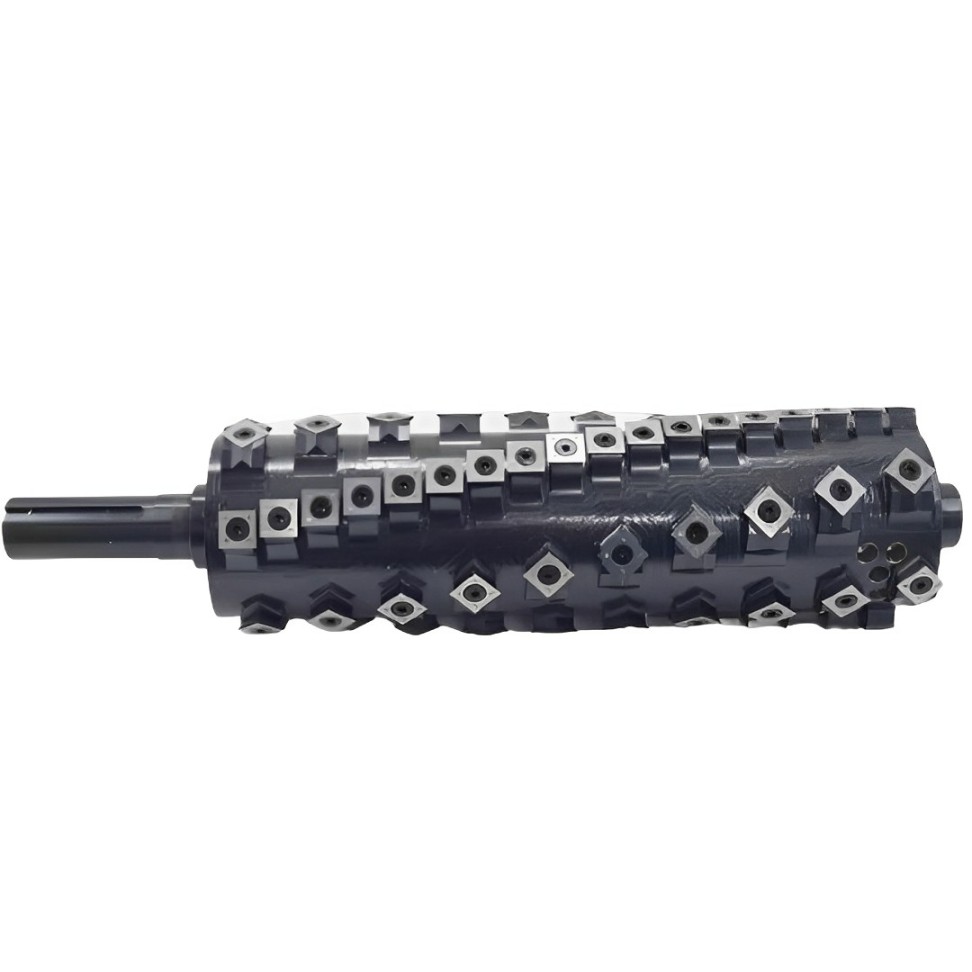
In modern woodworking, Spiral Cutter Heads have revolutionized planing and jointing operations by replacing traditional straight-knife designs with indexable carbide inserts arranged in a helical pattern. These innovative tools deliver smoother finishes, quieter operation, and dramatically reduced setup time. However, even the most advanced Spiral Cutter Heads can experience performance issues when improperly maintained or operated. Understanding their primary functions, recognizing common problems with practical solutions, and following essential safety practices ensures you maximize the exceptional benefits these cutting systems offer.
Primary Functions of Spiral Cutter Heads in Woodworking
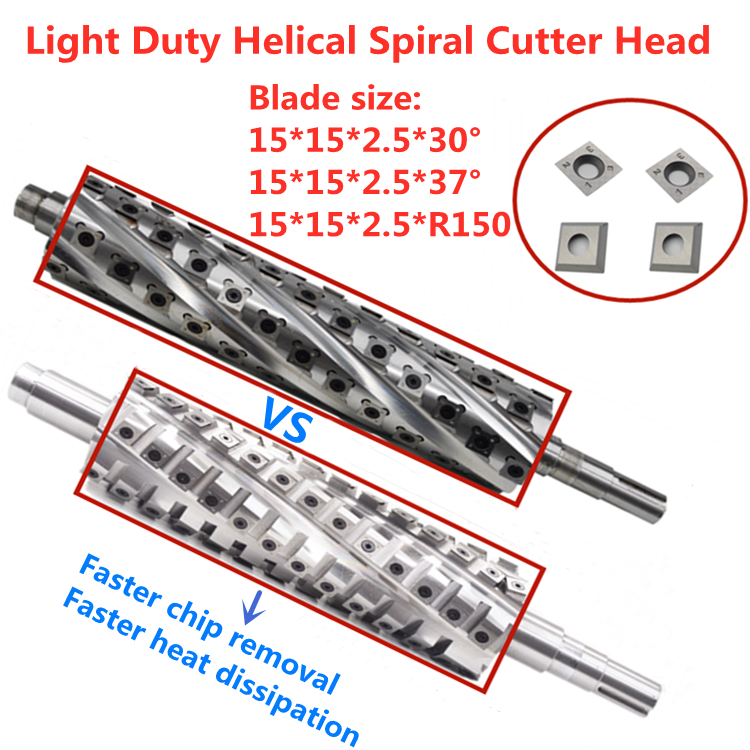
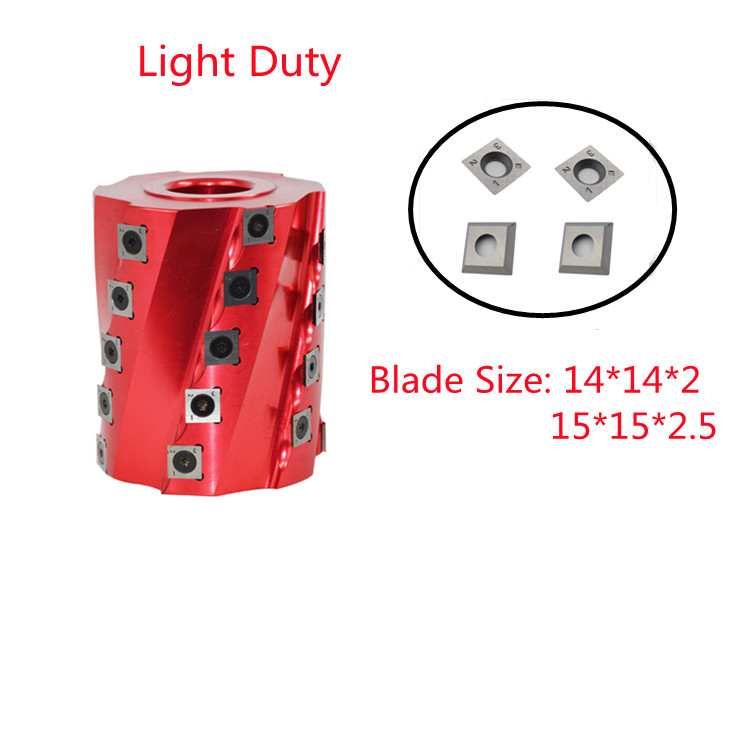
Spiral Cutter Heads serve as the cutting element in planers, jointers, and four-sided moulders, where they transform rough lumber into dimensionally accurate, smoothly finished boards. Unlike traditional straight knives that contact the entire workpiece width simultaneously, Spiral Cutter Heads feature multiple small carbide inserts arranged in a helical pattern around the cutterhead body. This geometry creates a shearing cut that reduces tear-out on figured woods, minimizes noise levels, and produces superior surface finishes often requiring no sanding.
Common applications include face planing of hardwoods and softwoods, edge jointing for glue-up preparation, and high-volume dimensioning in production workshops. For cabinet shops, flooring manufacturers, and millwork operations, Spiral Cutter Heads deliver consistent results while eliminating the frustrating process of setting and balancing traditional knives.


Five Common Problems and Practical Solutions
Problem 1: Uneven or Wavy Surface Finish
One of the most frustrating issues with Spiral Cutter Heads is producing boards with washboard patterns, ridges, or inconsistent flatness. This typically indicates feed rate problems, insert damage, or improper cutterhead alignment relative to the bed or table.
Solution: First, verify your feed speed—running too slowly allows each insert to take successive overlapping cuts that create ripples. Increase feed rate within your machine’s recommended range. Second, inspect all carbide inserts for chips or cracks; even one damaged insert leaves a visible ridge. Rotate or replace affected inserts following manufacturer guidelines for Spiral Cutter Heads. Third, check that the cutterhead is parallel to the machine table. Use a dial indicator to measure across the cutterhead length and adjust bearing mounts or gibs as needed. Finally, ensure infeed and outfeed rollers apply consistent pressure—uneven roller pressure causes board rocking that transfers to the cut surface.
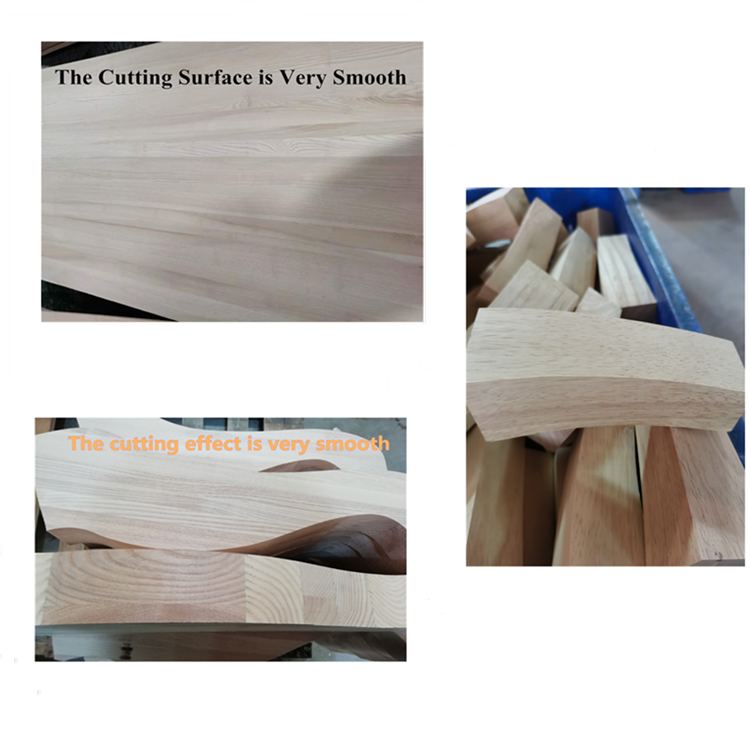
Problem 2: Excessive Insert Breakage or Chipping
When Spiral Cutter Heads suffer frequent insert breakage, the culprit is usually foreign object impact, improper feed technique, or using incorrect insert grade for the material being processed. Broken inserts damage workpieces and compromise safety.
Solution: Implement rigorous lumber inspection before planing—remove all nails, staples, and embedded gravel. For reclaimed or construction lumber, consider using a metal detector. Second, avoid feeding material with loose knots or bark inclusions; these impact Spiral Cutter Heads with shock loads that fracture carbide. Third, verify you are using the correct insert grade for your application. Standard inserts work well for clean hardwoods and softwoods, but processing abrasive materials like MDF or particleboard requires specialized coated or high-wear inserts. Finally, never force material into the cutterhead against the feed direction; always feed with the grain and at consistent speeds.

Premium Craftsmanship: The DH Brand Advantage
For woodworkers seeking exceptional quality and precision, DH brand Spiral Cutter Heads represent a superior choice. Unlike mass-produced alternatives, DH cutterheads are manufactured on advanced five-axis CNC machines, enabling complex geometries and tolerances that standard machining cannot achieve. This precision manufacturing process ensures each cutterhead is perfectly balanced and dimensionally accurate, directly translating to smoother operation and longer bearing life.
Among DH’s extensive product line, the 15×15×2.5×30°-R150 insert has earned particularly widespread customer acclaim. This popular insert size and geometry delivers an ideal balance of cutting efficiency, surface finish quality, and durability across a broad range of woodworking applications. The positive feedback from professionals confirms that DH’s commitment to precision manufacturing and thoughtful insert design genuinely improves daily planing operations.
Problem 3: Burn Marks on Workpiece Surface
Burn marks across planed boards indicate excessive friction heat generated by Spiral Cutter Heads. This problem typically stems from dull inserts, insufficient feed speed, or resin buildup on cutting edges.
Solution: Rotate inserts to expose fresh cutting edges—Spiral Cutter Heads are designed for easy indexing, and operators should rotate inserts after every few hours of heavy use. Second, increase feed rate; contrary to intuition, feeding faster reduces burning because each insert takes a thicker chip that carries heat away from the cutting zone. Third, clean the cutterhead thoroughly; pitch and resin accumulated on inserts and between flutes insulates heat and creates friction. Use non-toxic resin removers safe for carbide. For resinous woods like pine or cherry, apply specialized lubricants or waxes to the cutterhead between passes. Finally, reduce depth of cut if burning persists—taking multiple lighter passes generates less friction than one heavy cut.
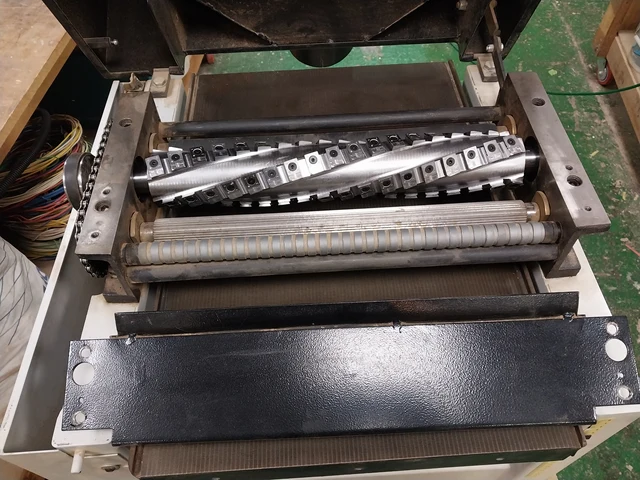
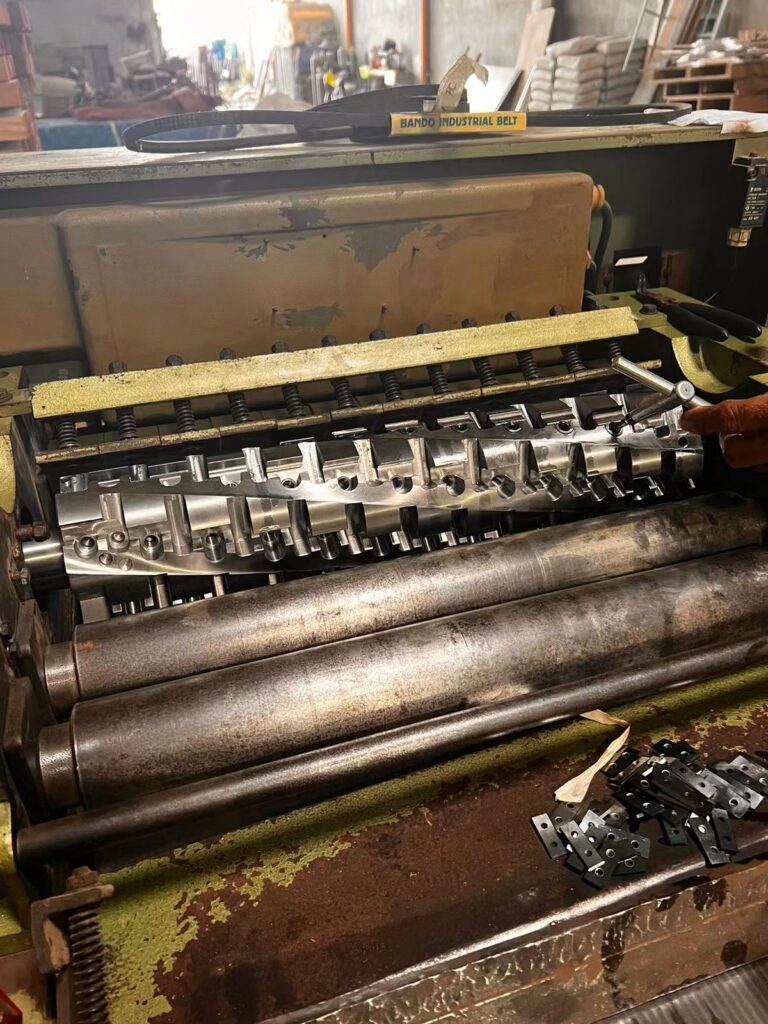
Problem 4: Excessive Noise or Vibration
While Spiral Cutter Heads are inherently quieter than straight-knife designs, unusual noise or vibration indicates problems including loose inserts, unbalanced cutterhead components, or bearing failure.
Solution: Stop the machine immediately when abnormal noise develops. Check that all insert screws are tightened to manufacturer specifications—loose inserts produce rattling sounds and dangerous flying debris. Second, inspect Spiral Cutter Heads for missing inserts or broken carbide pieces that unbalance the rotating assembly. Third, remove any debris or resin buildup that could affect balance. Fourth, check cutterhead bearings for play or roughness; worn bearings allow cutterhead wobble that creates vibration. Replace bearings as a pair if any issues are detected. Finally, have the cutterhead professionally balanced if vibration persists after addressing inserts and bearings.
Problem 5: Poor Dust Collection Performance
When Spiral Cutter Heads generate excessive chips that fail to evacuate properly, the resulting chip packing causes insert damage, poor finish, and fire hazards. This problem typically occurs with machines having inadequate dust hoods or restricted ducting.
Solution: Verify that your dust collector provides adequate airflow (measured in CFM) for your machine’s cutterhead size and feed rate. Spiral Cutter Heads produce chips differently than straight knives—smaller, more uniform chips that require efficient air velocity for transport. Clean all dust hoods and duct elbows of accumulated debris. Ensure the dust hood is positioned correctly; many machines have adjustable hoods that must sit within millimeters of the cutterhead for optimal chip capture. For deep cuts, consider reducing depth of pass to decrease chip volume. Never allow chips to recirculate in the cutting zone, as this causes insert impact damage.
Essential Safety Recommendations for Spiral Cutter Heads
Working with Spiral Cutter Heads requires respect for their rotating mass and the high speeds at which they operate. Always disconnect power and allow the cutterhead to come to a complete stop before performing any inspection, cleaning, or insert rotation. Never reach into the machine while the cutterhead is spinning—Spiral Cutter Heads can cause severe lacerations despite their shearing cut action. Wear hearing protection; even quieter designs generate noise levels requiring rated earplugs or muffs.
Use push blocks or power feeders when planing short or narrow stock; hands must never approach the cutterhead area. Inspect Spiral Cutter Heads before each use for loose inserts, damaged pockets, or unusual wear patterns. Ensure all guards and anti-kickback devices are in place and functioning properly. When rotating inserts, wear cut-resistant gloves to protect against sharp carbide edges. Finally, receive thorough training on your specific machine’s lockout/tagout procedures before performing any maintenance on Spiral Cutter Heads.


Conclusion
Spiral Cutter Heads have transformed woodworking planing and jointing operations through superior surface finishes and reduced maintenance demands. Premium options like DH brand cutterheads, manufactured on precision five-axis machinery with popular insert configurations such as the 15×15×2.5×30°-R150, demonstrate how quality engineering directly improves cutting performance and customer satisfaction. By understanding primary functions and recognizing the common issues outlined above—uneven finish, insert breakage, burn marks, excessive noise, and poor dust collection—operators can implement practical solutions that restore performance and extend component life.
Regular insert rotation, proper feed rates, thorough cleaning, and adherence to safety practices ensure that Spiral Cutter Heads deliver the exceptional results they are designed to provide. With correct care and operation, these innovative cutterheads turn challenging planing operations into efficient, consistent production processes.
Best Price Wholesale Tct Reversible Knife Easy To Change Helical Spiral Cutter Head
Cutter Head Woodworking Cutter Head Helical Shaper Spiral Jointer
DH 15*15*2.5 Blade Tungsten Carbide Inserts Steel Body Planer Machine Helical Cutter Head Jointer