
Router bits are indispensable tools in woodworking, capable of transforming ordinary pieces of wood into works of art with beautifully shaped edges, precise grooves, and intricate designs. At the heart of many woodworking projects lies the critical choice between two primary types of bits: solid carbide straight knives and solid carbide spiral knives. Understanding their differences, applications, and care is essential for any woodworker looking to achieve professional results. This article delves into five key areas to help you master these essential tools.
The Core Components of Router Bits
Every router bit, whether straight or spiral, shares some fundamental components. The shank is the part of the bit that is inserted into the router’s collet, securing it in place . Common shank sizes are 1/4-inch and 1/2-inch, with the latter offering greater stability and reduced vibration during use. Above the shank is the body, which houses the cutting mechanism. The cutting edges, or flutes, are responsible for removing material from the workpiece. These edges are typically made from durable materials like high-speed steel or carbide, with solid carbide options providing exceptional longevity and sharpness. Some router bits also feature a pilot bearing that guides the tool evenly along the edge of the workpiece for a consistent cut .


Straight Router Knives: Applications and Common Specifications
Straight knives are characterized by their straight-edged, non-spiral cutting design. Because the entire cutting edge contacts the workpiece simultaneously, they experience significant friction and resistance . This makes them well-suited for working with softer wood materials and for tasks where a simple, clean cut is needed.
Their primary application is for cutting straight grooves, dadoes (slots across the wood grain), and rabbets (shoulders or steps on the edge of the wood) . They are ideal for joinery work, such as creating joints for boxes or shelves. The cutting action of a straight knife tends to produce a smoother finish on the top surface of the workpiece. When used for edge-forming, they leave a straight, square profile.
In terms of specification, straight knives are commonly available in the standard 1/4-inch and 1/2-inch shank diameters. Their cutting diameter—the width of the groove they create—varies widely to suit different project needs.
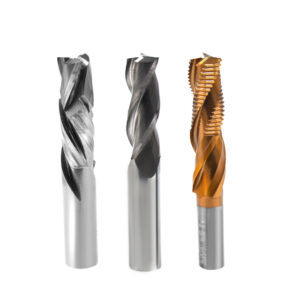


Spiral Router Knives: Applications and Common Specifications
Spiral knives feature a helical cutting edge that shears the wood material much like a drill bit. This design reduces resistance because the point of contact and pressure changes continuously as the bit rotates . This allows for smoother cuts, higher feed rates, and more efficient dust removal through the deep flutes .
Spiral knives excel in tasks involving harder wood species and are superb for plunge-cutting and carving intricate designs. Their shearing action typically results in a superior final surface quality with less tear-out compared to straight knives . They are often the preferred choice for CNC machining due to their efficiency and clean cutting.
Spiral bits come in two main varieties that affect chip ejection and finish quality. Up-cut spiral bits have a design that pulls chips upward, which is excellent for efficient waste removal in deep grooves but may leave a rougher surface on the top of the workpiece. Down-cut spiral bits push the chips downward, resulting in a clean, splinter-free top surface, though they can sometimes lead to chip-clogging in deep slots . Like straight knives, they are commonly found with 1/4-inch and 1/2-inch shanks.
Key Differences: Straight vs. Spiral Knives
The choice between these two types of router bits boils down to their fundamental design and its impact on the woodworking process.
– Cutting Action and Surface Finish: The straight knife’s design, where the entire edge engages at once, creates more friction and is more likely to cause tear-out on brittle materials. Conversely, the spiral knife’s helical flute shears the wood cleanly, resulting in less resistance, less vibration, and generally a finer surface finish .
– Efficiency and Chip Removal: Spiral router bits are champions of chip removal. Their deep, continuous flutes efficiently collect and expel sawdust as the bit spins, preventing clogging and reducing heat buildup . This leads to a clearer view of the cutting line and a more efficient machining process. Straight knives have less effective dust evacuation, which can lead to heat accumulation.
– Lifespan and Material Suitability: Due to their aggressive cutting action and higher friction, straight knives generally have a shorter lifespan and are better suited for softer woods . The shearing action and superior heat dissipation of spiral knives contribute to a longer life, making them more effective and durable for hardwoods and demanding applications.
Maintaining Your Router Bits for Longevity
Proper care is crucial for maintaining the sharpness and performance of your solid carbide router bits, protecting your investment over the long term.
– Cleaning: After use, it is vital to remove any accumulated debris or resin from the cutting edges. Use a soft-bristled brush to gently clean the flutes and cutting surfaces. Avoid using metal brushes or scrapers that could damage the sharp carbide edges.
– Sharpening: Regularly sharpening your bits is essential for optimal performance. Dull bits require more force to push, produce a poorer quality cut, and generate excessive heat that can damage both the bit and the workpiece. While professional sharpening services are available, learning to hone your bits with the appropriate tools will keep them cutting like new .
– Proper Storage: Store your router bits in a dedicated organizer, case, or rack. This prevents the delicate cutting edges from knocking against each other or other hard objects, which can cause chips and dulling. A dry, organized environment is key to preserving their condition.
– Handling and Usage: Always ensure the bit is securely tightened in the router’s collet, but avoid over-tightening . When using the router bits, feed the material at a steady, appropriate rate. Pushing too fast can overload the bit, while going too slowly can generate excessive heat from friction.


By understanding the distinct roles of straight and spiral router bits and adhering to a consistent maintenance routine, you can ensure that your tools are always ready to deliver flawless results. This knowledge empowers you to select the perfect router bits for every project, elevating your woodworking from simple construction to fine craftsmanship.